 Wellness Review Labs
 By
By 
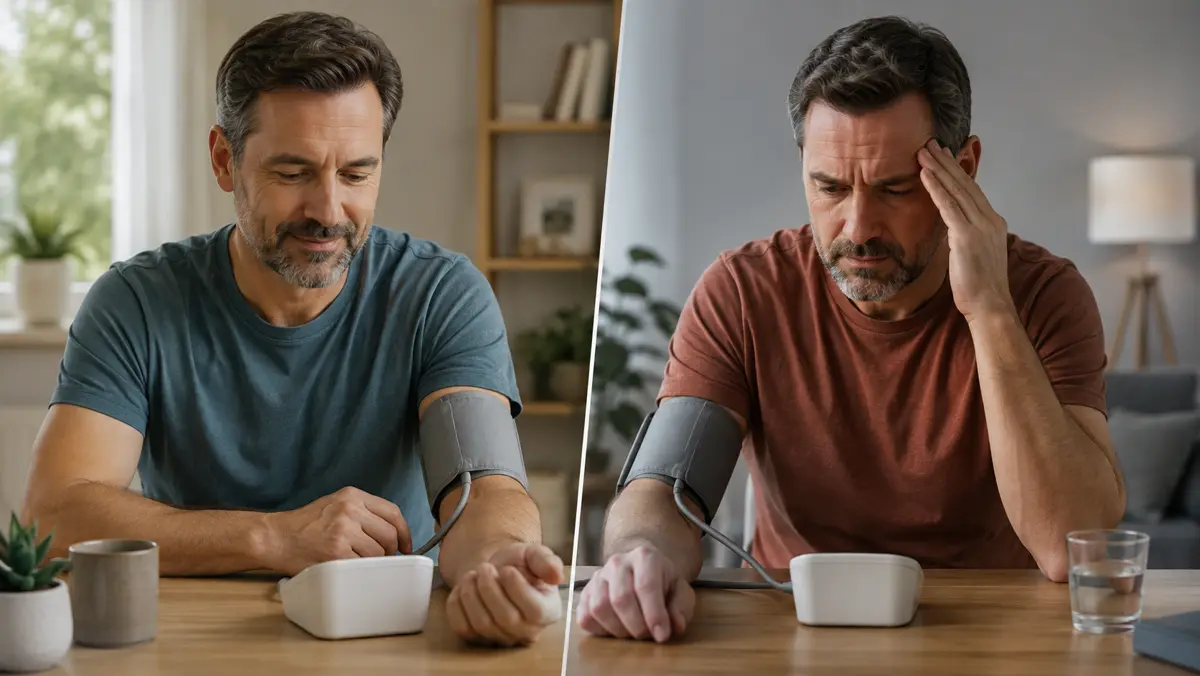
For many people, particularly those who are active and maintain a healthy weight, having blood pressure readings consistently below the commonly cited 'normal' 120/80 mmHg is not only natural but can actually be a sign of good cardiovascular health. Think of it this way: your heart doesn't have to work as hard to circulate blood if your arteries are flexible and clear. If you often have readings like 90/60 mmHg and feel perfectly fine, without any symptoms of dizziness, fatigue, or fainting, then yes, for you, low blood pressure is natural and generally nothing to worry about.
However, the term 'low blood pressure' can also refer to a sudden drop or a chronically low reading that does cause symptoms. In those cases, it moves from being a natural variation to a potential health issue that needs attention. The key distinction lies in how you feel.
What's Considered 'Low' Blood Pressure?
Generally, blood pressure readings below 90/60 mmHg are considered hypotensive. But this is just a number. The actual impact of that number depends entirely on your individual body and circumstances. Some people live their entire lives with readings in this range and never experience a single problem. Their bodies are simply efficient at maintaining circulation with lower pressure.
For others, especially if their blood pressure suddenly drops to this level or stays there and they start feeling unwell, it can signal an underlying issue. The 'normal' range is broad, and what's optimal for one person might be too low for another, or too high for a third.
When Low Blood Pressure is a Healthy Sign
If your low blood pressure is asymptomatic – meaning you don't have any noticeable symptoms – it's often a positive indicator. This can be common in:
- Athletes and very fit individuals: Their hearts are stronger and pump blood more efficiently, requiring less pressure.
- People with a naturally lean body type: They may have less resistance in their blood vessels.
- Individuals with excellent cardiovascular health: Healthy arteries are more elastic and allow blood to flow smoothly.
In these cases, a lower blood pressure can even be protective against conditions like heart disease and stroke, which are often linked to high blood pressure.
Common Causes of Symptomatic Low Blood Pressure
When low blood pressure does cause symptoms, it’s usually because not enough blood is reaching your brain or other vital organs. This can happen for various reasons, some temporary and easily fixed, others more serious:
- Dehydration: Not drinking enough fluids reduces your blood volume, which can lead to a drop in pressure. This is a very common cause of temporary dizziness.
- Prolonged Bed Rest: Inactivity can weaken the body's ability to regulate blood pressure.
- Pregnancy: The circulatory system expands rapidly, which can cause blood pressure to drop, especially in the first and second trimesters.
- Medications: Diuretics, alpha blockers, beta blockers, drugs for Parkinson's disease, some antidepressants, and erectile dysfunction medications can all lower blood pressure as a side effect.
- Heart Problems: A slow heart rate (bradycardia), heart valve problems, heart attack, or heart failure can all prevent your body from circulating enough blood.
- Endocrine Problems: Conditions like adrenal insufficiency (Addison's disease), low blood sugar, and thyroid issues can affect blood pressure.
- Severe Infection (Septic Shock): When bacteria enter the bloodstream, it can lead to a life-threatening drop in blood pressure.
- Allergic Reaction (Anaphylaxis): A severe allergic reaction can cause a sudden, dramatic drop in blood pressure.
- Blood Loss: Significant blood loss from injury or internal bleeding reduces blood volume.
- Nutritional Deficiencies: Lack of B-12 and folate can lead to anemia, which in turn can cause low blood pressure.
Symptoms That Warrant Attention
If you experience any of the following symptoms along with low blood pressure readings, it's time to talk to your doctor:
- Dizziness or lightheadedness, especially when standing up quickly (orthostatic hypotension)
- Fainting (syncope)
- Blurred vision
- Nausea
- Fatigue or lack of concentration
- Cold, clammy, pale skin
- Rapid, shallow breathing
- Depression or unusual tiredness
I used to think my lightheadedness was just part of getting older, but once I started tracking my blood pressure, I realized it was consistently low when I felt that way. It was a clear sign to talk to my doctor.— A concerned reader
What You Can Do to Support Healthy Blood Pressure
Whether your low blood pressure is natural and asymptomatic, or you're looking for ways to manage mild, symptomatic hypotension, several lifestyle choices can help support overall cardiovascular health and maintain healthy blood pressure levels:
- Stay Hydrated: Drink plenty of water throughout the day. Dehydration is a very common and easily preventable cause of low blood pressure.
- Eat a Balanced Diet: Focus on whole foods, fruits, vegetables, and lean proteins. For some, a moderate increase in sodium (under a doctor's guidance) might be beneficial, but this isn't for everyone.
- Eat Smaller, More Frequent Meals: This can help prevent a drop in blood pressure after eating, known as postprandial hypotension.
- Avoid Alcohol: Alcohol can contribute to dehydration and further lower blood pressure.
- Move Gradually: When standing up from sitting or lying down, do so slowly to give your body time to adjust and prevent dizziness.
- Wear Compression Stockings: These can help improve circulation in your legs and prevent blood from pooling.
- Regular, Moderate Exercise: Activities like walking, swimming, or cycling strengthen your heart and improve circulation, helping your body regulate blood pressure more effectively.
Sometimes, dietary supplements are explored as part of a comprehensive approach to cardiovascular wellness. While they can't 'cure' low blood pressure, certain ingredients are studied for their role in supporting circulation and overall heart health. For example, some people look for formulas that include ingredients like L-arginine, which is involved in nitric oxide production, a compound that helps relax and widen blood vessels.
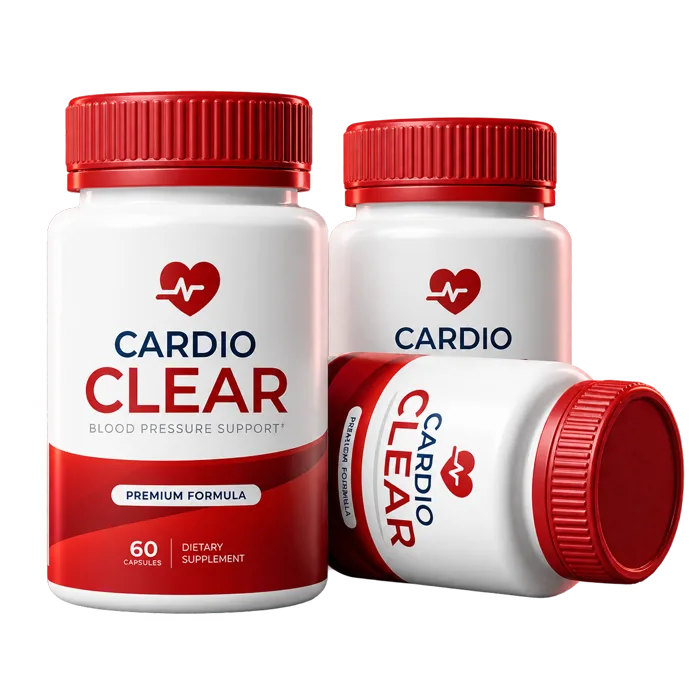
CardioClear is relevant by supporting overall cardiovascular health and circulation, which are foundational to maintaining healthy blood pressure levels, whether naturally low or otherwise.
- Buy 3, Get 3 Free — Lowest Price Ever$29.99/bottle
- Buy 2, Get 2 Free — Most Popular$39.99/bottle
- Buy 1, Get 1 Free$59.99/bottle
We may earn a commission at no extra cost to you.
Working With Your Doctor
If you're experiencing symptoms of low blood pressure, or if you're concerned about your readings, the first step is always to consult your doctor. They can help identify the underlying cause, rule out any serious conditions, and recommend the most appropriate course of action, which might include dietary changes, medication adjustments, or other treatments. Self-monitoring your blood pressure at home can also provide valuable information for your doctor.