 Wellness Review Labs
 By
By 
When you get your blood pressure measured, whether at the doctor's office or at home, it's not uncommon for the numbers to vary slightly between your right and left arms. This isn't necessarily a cause for alarm. A small difference is quite normal, but a larger, consistent difference could point to something worth discussing with your healthcare provider.
Why Do Readings Differ Between Arms?
The primary reason for differences in blood pressure readings between your arms is often anatomical. Your arteries branch off from the aorta, the body's main artery, to supply blood to your arms. The path these arteries take and the angle at which they branch can affect blood flow and, consequently, the pressure measured in each arm.
For most people, the left arm tends to have slightly higher readings, but this isn't a universal rule. The important thing is not which arm is higher, but rather the *consistency* and *magnitude* of the difference.
What's Considered a 'Normal' Difference?
A difference of up to 10 mmHg (millimeters of mercury) in systolic pressure (the top number) between your arms is generally considered normal and healthy. This minor variation is often due to slight differences in arterial anatomy or even how the cuff is placed.
However, if you consistently observe a difference of 10-15 mmHg or more in the systolic reading between your arms, it's a good idea to bring this to your doctor's attention. While it's not always serious, a significant and persistent difference could be a sign of an underlying vascular condition.
Potential Causes for Significant Arm Differences
When the difference in blood pressure between your arms is consistently 10-15 mmHg or more, it could be a signal of certain conditions that affect blood flow. These are not always serious, but they are worth investigating.
- Peripheral Artery Disease (PAD): This condition involves narrowed arteries that reduce blood flow to your limbs, often your arms or legs. If an artery in one arm is more narrowed than the other, it can lead to a lower blood pressure reading in that arm.
- Subclavian Steal Syndrome: A rare condition where a narrowing or blockage in the subclavian artery (which supplies blood to the arm) causes blood to be 'stolen' from the vertebral artery, which supplies blood to the brain. This results in a significantly lower blood pressure reading in the affected arm.
- Aortic Coarctation: A congenital heart defect where the aorta is narrowed. This can cause higher blood pressure readings in the arms and lower readings in the legs, and sometimes different readings between the arms.
- Arterial Blockage: Less common but possible, a blockage in one of the arteries leading to an arm can restrict blood flow and lower the pressure reading.
- Anatomical Variations: Sometimes, it's simply the natural branching pattern of your arteries that creates a consistent, but harmless, difference.
It's important to remember that these conditions are diagnosed by a medical professional through further tests, not just by arm differences alone. The arm difference serves as a potential indicator that warrants further investigation.
How to Get the Most Accurate Home Readings
To ensure you're getting the most reliable blood pressure readings at home, follow these steps:
- Use the same arm consistently: After your initial check on both arms (see below), always use the arm that consistently shows the higher reading. This will give you the most accurate representation of your blood pressure.
- Initial check on both arms: When you first start monitoring at home, take readings from both arms for a few days to identify which arm typically reads higher.
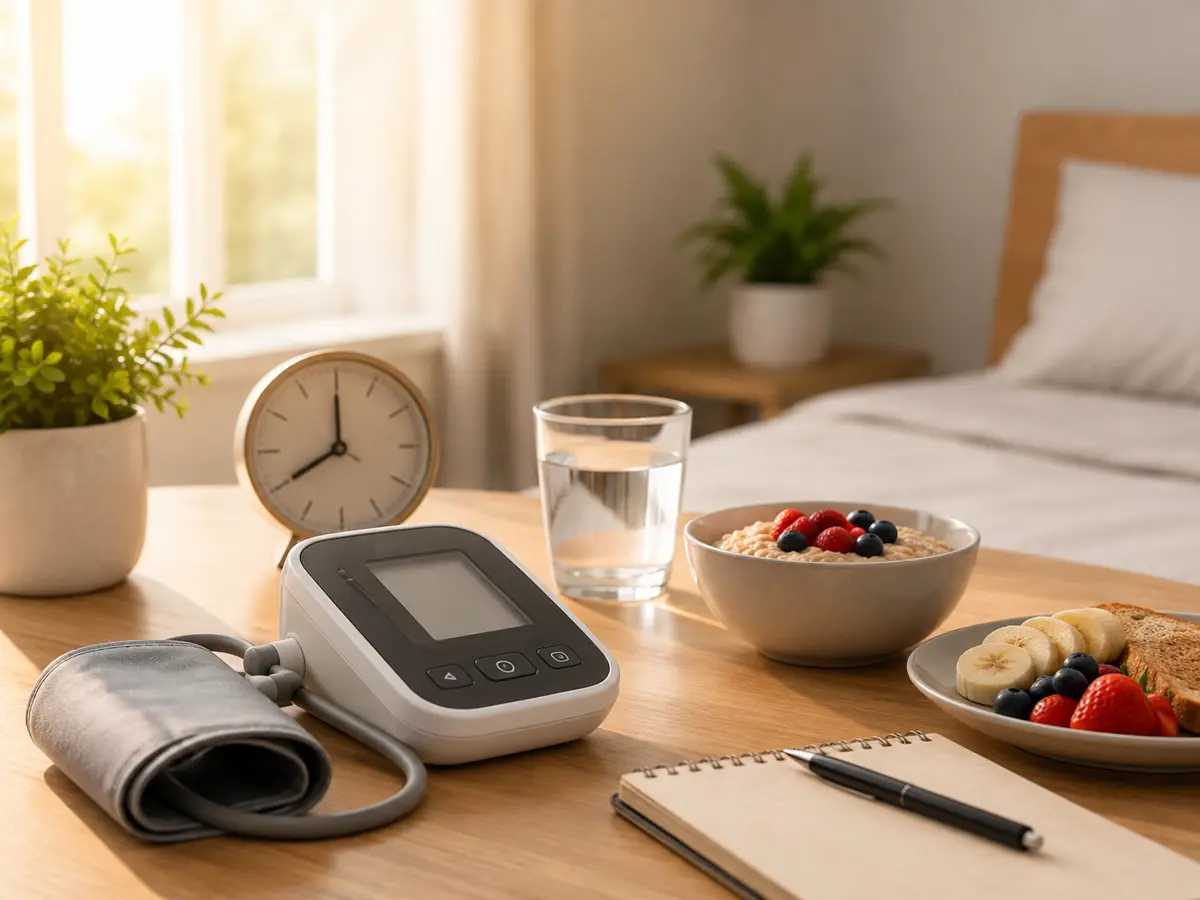
- Prepare properly: Sit quietly for at least five minutes before measuring. Avoid caffeine, exercise, and smoking for 30 minutes prior. Ensure your feet are flat on the floor, your arm is supported at heart level, and you're not talking.
- Use the right cuff size: An ill-fitting cuff can lead to inaccurate readings. Your doctor or pharmacist can help you determine the correct size.
- Take multiple readings: Take two or three readings a minute apart and average them. Record your readings consistently.
When to Talk to Your Doctor
While minor differences are normal, knowing when to consult your doctor is key. If you consistently find a difference of 10-15 mmHg or more between your arms, especially if accompanied by other symptoms like arm pain, numbness, or weakness, it's time to speak with your physician. They can perform a thorough examination, order additional tests if needed, and determine if there's an underlying cause that requires attention.
Beyond Arm Differences: Supporting Overall Cardiovascular Health
Regardless of any arm differences, maintaining healthy blood pressure and supporting your cardiovascular system overall is crucial. Many factors contribute to heart health, and focusing on these can help manage blood pressure effectively.
- Balanced Diet: Emphasize fruits, vegetables, whole grains, and lean proteins. Reduce sodium, saturated fats, and added sugars.
- Regular Exercise: Aim for at least 150 minutes of moderate-intensity aerobic activity per week.
- Maintain a Healthy Weight: Losing even a small amount of weight can significantly impact blood pressure.
- Stress Management: Practice relaxation techniques like meditation, deep breathing, or yoga.
- Limit Alcohol: Excessive alcohol consumption can raise blood pressure.
- Quit Smoking: Smoking damages blood vessels and significantly increases heart disease risk.
Sometimes, people look for additional ways to support their heart and circulation as part of a comprehensive wellness plan. Supplements designed to promote cardiovascular health can be one such option, though they are not a substitute for medical advice or prescribed medications.
For instance, our product, CardioClear, is a cardiovascular and circulation support formula. It's designed to promote healthy blood flow and support overall heart function by providing a blend of ingredients known to aid these areas. It is not intended to treat, cure, or prevent any disease, nor should it replace any medication or lifestyle changes recommended by your doctor. It simply offers a way to help support your body's natural systems. If you're interested in exploring this option, CardioClear is available from $29.99/bottle and comes with a 90-day money-back guarantee.
The Verdict
While CardioClear aims to support cardiovascular health, the manufacturer's lack of transparency regarding its formula makes it difficult to assess its potential effectiveness for addressing blood pressure discrepancies between arms. For those seeking a general heart health supplement and comfortable with proprietary blends, it might be worth considering, especially given the money-back guarantee.
Who This Is For — And Who It Is Not
- Individuals looking for a general supplement to support overall cardiovascular well-being.
- People who prioritize a money-back guarantee for trying new supplements.
- Those comfortable with a product that uses a proprietary blend.
- Adults seeking to proactively support their heart health.
- Anyone experiencing significant or concerning blood pressure differences between arms, which requires medical evaluation.
- Individuals seeking a direct replacement for prescribed blood pressure medication.
- People expecting immediate or dramatic changes in their blood pressure readings.
- Those who require full ingredient disclosure to make informed supplement choices.
What We Could Not Verify
We say this plainly because most pages in this category do not. Here is what we could not independently confirm about CardioClear:
- The specific ingredients and their exact dosages within the proprietary blend.
- Any independent clinical trials or studies directly linking CardioClear to improved blood pressure consistency.
- The specific mechanisms by which CardioClear might address blood pressure differences.
- The long-term effects of daily CardioClear use.

CardioClear is relevant here as it's designed to support overall cardiovascular health and healthy circulation, which is foundational regardless of any arm-to-arm blood pressure differences.
- Buy 3, Get 3 Free — Lowest Price Ever$29.99/bottle
- Buy 2, Get 2 Free — Most Popular$39.99/bottle
- Buy 1, Get 1 Free$59.99/bottle
We may earn a commission at no extra cost to you.
Monitoring your blood pressure at home can give you valuable insights into your health. Make sure you're doing it correctly and discussing any consistent concerns with your doctor.— A concerned home monitor