 Wellness Review Labs
 By
By 
When it comes to managing blood pressure, there isn't a single 'best' supplement that works for everyone. The truth is, blood pressure is a complex issue influenced by many factors, and what helps one person might not be the right fit for another. Supplements can play a supportive role, but they are generally not a replacement for medical treatment or healthy lifestyle choices.
The most effective approach always starts with understanding what contributes to healthy blood pressure and addressing those areas first. Think of supplements as an extra layer of support, not the primary solution.
Understanding Blood Pressure: More Than Just a Number
Blood pressure is the force of your blood pushing against the walls of your arteries. When this force is consistently too high, it's called hypertension, or high blood pressure. Over time, high blood pressure can damage your arteries and lead to serious health problems like heart attack, stroke, kidney disease, and vision loss.
Many factors can influence your blood pressure, including your diet, activity level, stress, genetics, age, and other health conditions. Because it often has no obvious symptoms, high blood pressure is sometimes called the 'silent killer.'
The Foundation: Lifestyle Changes That Truly Matter
Before considering any supplement, it's crucial to focus on foundational lifestyle changes. These are often the most powerful tools you have for managing blood pressure.
- Dietary Adjustments: Reducing sodium intake, increasing potassium-rich foods (like fruits and vegetables), and following a balanced eating plan like the DASH (Dietary Approaches to Stop Hypertension) diet can make a significant difference.
- Regular Physical Activity: Aim for at least 150 minutes of moderate-intensity aerobic exercise per week. Even brisk walking can help lower blood pressure.
- Maintain a Healthy Weight: Losing even a small amount of weight can have a positive impact on blood pressure.
- Limit Alcohol: Excessive alcohol consumption can raise blood pressure. If you drink, do so in moderation.
- Manage Stress: Chronic stress can contribute to high blood pressure. Techniques like meditation, yoga, deep breathing, or spending time in nature can be beneficial.
- Quit Smoking: Smoking damages blood vessel walls and significantly raises blood pressure.

Key Nutrients and Ingredients to Consider
Once your lifestyle is in order, certain supplements may offer additional support. It’s important to understand that the evidence for some of these is stronger than for others, and individual results can vary.
- Potassium: This mineral helps balance sodium in your body, which can relax blood vessel walls. Many Americans don't get enough potassium from their diet. While supplements are available, getting it from foods like bananas, spinach, and avocados is often preferred.
- Magnesium: Magnesium helps regulate blood pressure by relaxing blood vessels. Some studies suggest magnesium supplementation may offer a modest reduction in blood pressure, especially for those with a deficiency.
- Coenzyme Q10 (CoQ10): CoQ10 is an antioxidant that plays a role in energy production in cells. Some research indicates it may help lower blood pressure, particularly in people with hypertension, possibly by improving blood vessel function.
- Omega-3 Fatty Acids: Found in fish oil, omega-3s are well-known for their heart health benefits, including supporting healthy blood vessel function. While they might not directly lower high blood pressure significantly, they contribute to overall cardiovascular wellness.
- L-Arginine: This amino acid helps the body produce nitric oxide, which relaxes blood vessels and improves blood flow. Some studies suggest it may help lower blood pressure.
- Hawthorn: This herb has a long history of use for heart conditions. Some preliminary research suggests it may help dilate blood vessels and improve blood flow, potentially leading to modest blood pressure reductions.
- Garlic Extract: Aged garlic extract has been studied for its potential to lower blood pressure. It may work by increasing nitric oxide production and relaxing blood vessels.
What to Look for in a Blood Pressure Supplement
If you decide to try a supplement, here's what to consider:
- Talk to Your Doctor First: This is paramount. Supplements can interact with medications or be unsafe for certain conditions. Your doctor can help determine if a supplement is appropriate for you.
- Transparent Ingredients: Look for products that clearly list all ingredients and their dosages. Avoid proprietary blends where individual amounts aren't disclosed.
- Third-Party Testing: Independent testing by organizations like NSF International, USP, or ConsumerLab verifies that the product contains what it claims and is free from harmful contaminants.
- Reputable Manufacturer: Choose brands known for quality and good manufacturing practices (GMP).
- Realistic Expectations: No supplement will offer a quick fix. Blood pressure management is a long-term commitment.
Considering CardioClear for Blood Pressure Support
Among the many options available, products like CardioClear are designed to offer comprehensive cardiovascular support. CardioClear is formulated with a blend of ingredients aimed at supporting overall circulation and heart health, which can indirectly contribute to healthy blood pressure levels by promoting better blood flow and vessel flexibility.
While CardioClear is not marketed as a direct blood pressure lowering medication, its focus on cardiovascular and circulation support aligns with the broader goals of managing blood pressure. Ingredients often found in such formulas may include those that help relax blood vessels or support endothelial function, which is the health of the inner lining of your blood vessels.
CardioClear, like many supplements in this category, aims to complement a healthy lifestyle. It's an option for those looking for a blend of ingredients specifically chosen to support the various aspects of heart and circulatory health. Its 90-day money-back guarantee offers an opportunity to see if it works for you without significant risk.
The Verdict
CardioClear may be a reasonable option for individuals looking for general cardiovascular support. While it offers a money-back guarantee, its suitability for specific blood pressure concerns is unclear due to the lack of transparent ingredient information.
Who This Is For — And Who It Is Not
- Individuals seeking a general supplement for heart health.
- Those who appreciate a money-back guarantee.
- People interested in a broad approach to wellness rather than targeted treatment.
- Anyone with diagnosed high blood pressure or other serious medical conditions.
- Individuals who need to know specific ingredient dosages.
- Anyone expecting rapid or dramatic changes in blood pressure readings.
- Those who are currently taking prescription medication for blood pressure.
What We Could Not Verify
We say this plainly because most pages in this category do not. Here is what we could not independently confirm about CardioClear:
- The specific ingredients and their exact quantities.
- Any clinical studies directly supporting its efficacy for blood pressure.
- The manufacturing processes or third-party testing procedures.
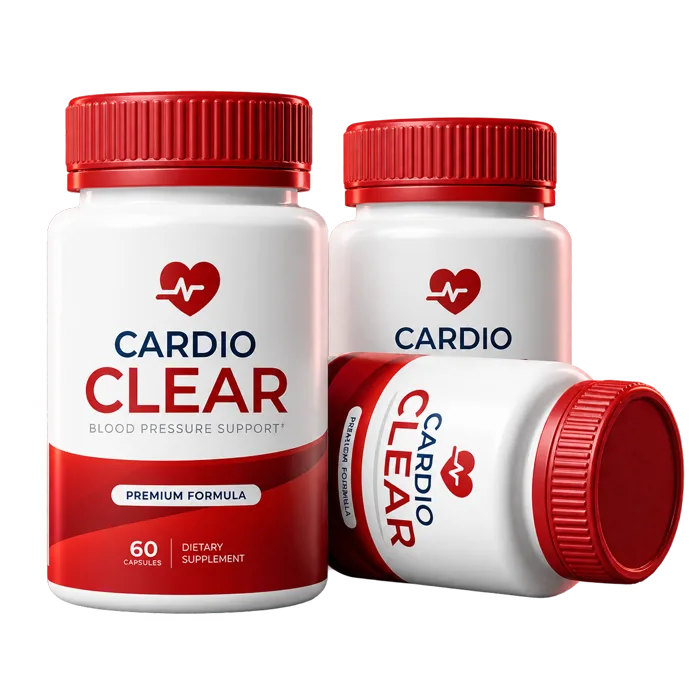
CardioClear is relevant to this keyword as it's a cardiovascular and circulation support formula that can complement a holistic approach to managing blood pressure by promoting overall heart health and blood flow.
- Buy 3, Get 3 Free — Lowest Price Ever$29.99/bottle
- Buy 2, Get 2 Free — Most Popular$39.99/bottle
- Buy 1, Get 1 Free$59.99/bottle
We may earn a commission at no extra cost to you.
Final Thoughts: A Holistic Approach
Ultimately, the 'best' blood pressure supplement is one that fits into a comprehensive strategy for your health, guided by your doctor. This strategy should always prioritize lifestyle changes—a balanced diet, regular exercise, stress management, and maintaining a healthy weight. Supplements can then act as a valuable addition to this foundation, providing targeted nutritional support where it's needed.
Remember, managing blood pressure is a journey, not a destination. Regular monitoring, open communication with your healthcare provider, and consistent healthy habits are your most powerful allies.