 Wellness Review Labs
 By
By 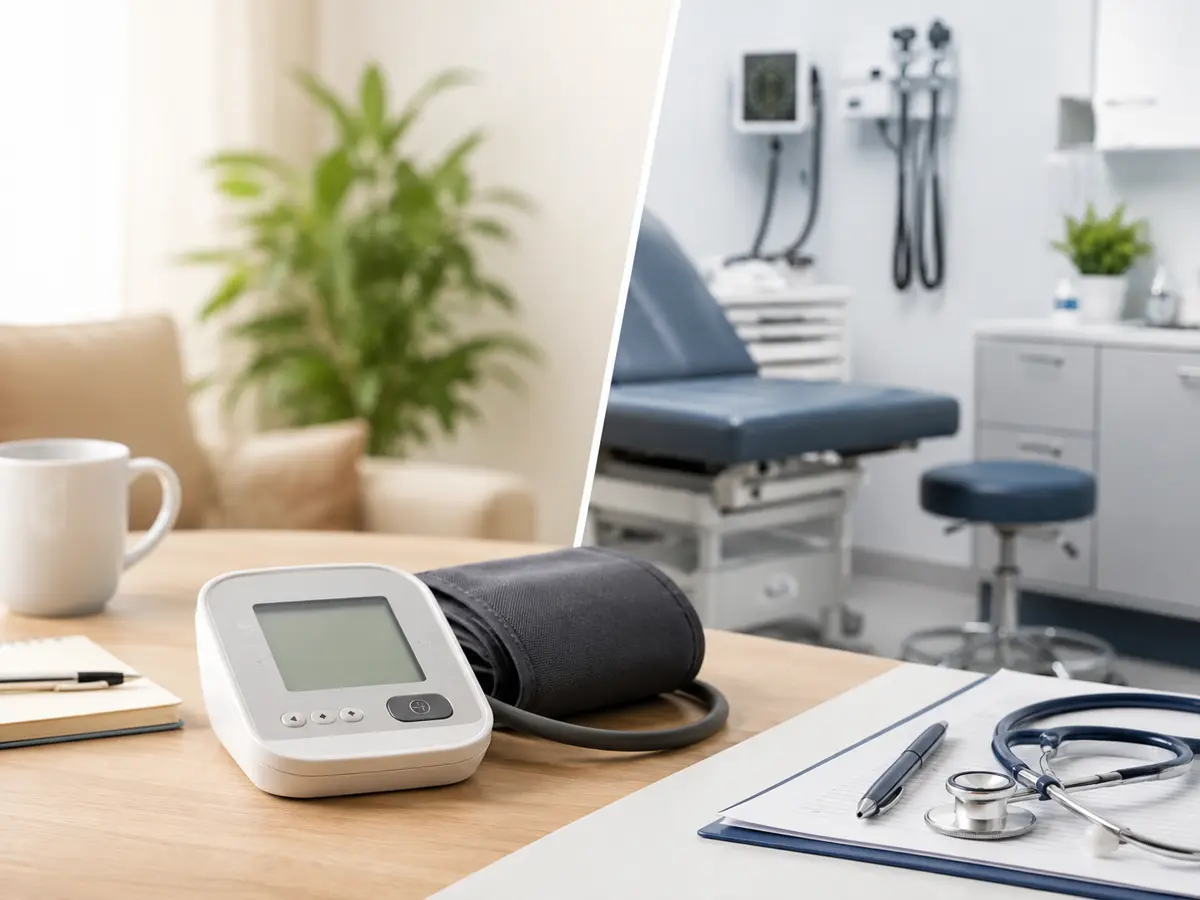
The short answer is that home blood pressure readings are often more representative of your true blood pressure over time. While the reading you get at the doctor's office is an important snapshot, many factors can influence it, making it potentially less accurate as a sole indicator of your overall cardiovascular health. Understanding why these differences occur is the first step toward managing your blood pressure effectively.
Why Your Doctor's Office Reading Might Be Higher
The most common reason for a higher reading in a clinical setting is a phenomenon called 'white coat hypertension.' This isn't about blaming your doctor; it's a natural physiological response to stress or anxiety associated with medical environments. Even if you don't feel particularly stressed, your body might react by temporarily increasing your blood pressure.
- Anxiety and Stress: The anticipation of a doctor's visit, discussions about health, or even just being in an unfamiliar medical environment can trigger a stress response, elevating heart rate and blood pressure.
- Recent Activity: You might have rushed to your appointment, climbed stairs, or even had a quick coffee beforehand, all of which can temporarily raise blood pressure.
- Single Measurement: A doctor's office reading is usually just one or two measurements taken at a specific moment. It doesn't capture the fluctuations that occur throughout your day.
Conversely, some people experience 'masked hypertension,' where their blood pressure is normal at the doctor's office but consistently high at home. This is less common but highlights why home monitoring is so valuable.
The Advantages of Monitoring Blood Pressure at Home
Regularly checking your blood pressure at home offers several key benefits that a single office visit cannot provide. It gives you a broader, more accurate view of your blood pressure trends and how it responds to daily life.
- Reflects Daily Life: Home readings are taken in your natural environment, free from the stress of a clinical setting, providing a truer average of your blood pressure.
- Identifies Trends: Consistent home monitoring allows you to see patterns over days, weeks, and months, which is crucial for diagnosis and treatment adjustments.
- Empowerment: Being actively involved in monitoring your health can help you feel more in control and motivate you to make lifestyle changes.
- Detects White Coat or Masked Hypertension: It helps identify if your office readings are misleadingly high (white coat) or misleadingly low (masked).
Keeping a log of your home blood pressure readings gives your doctor invaluable information that a single office visit just can't capture.— A concerned patient

How to Get Accurate Home Blood Pressure Readings
The accuracy of your home readings largely depends on using the correct technique. Even the best monitor won't give reliable results if used improperly. Here’s how to do it right:
- Choose the Right Monitor: Use an automatic, cuff-style bicep monitor. Wrist and finger monitors are generally less accurate. Ensure the cuff size fits your arm properly (check the manufacturer's instructions).
- Prepare Properly: Avoid caffeine, exercise, and smoking for at least 30 minutes before measuring. Empty your bladder.
- Position Yourself Correctly: Sit quietly for 5 minutes with your back supported and feet flat on the floor, uncrossed. Rest your arm on a table so the cuff is at heart level.
- Take Multiple Readings: Take two or three readings, one minute apart, each time you measure. Record the average.
- Consistency is Key: Measure at the same time each day, such as in the morning before medication or food, and again in the evening.
- Keep a Log: Write down your readings (or use a monitor with memory) and bring them to your doctor's appointments.
Understanding Your Numbers: What Do They Mean?
Blood pressure is measured in millimeters of mercury (mmHg) and given as two numbers:
- Systolic (top number): The pressure in your arteries when your heart beats.
- Diastolic (bottom number): The pressure in your arteries when your heart rests between beats.
Generally, a normal blood pressure is considered to be less than 120/80 mmHg. Your doctor will interpret your readings based on your overall health, age, and other risk factors. It's important not to self-diagnose or change your medication based solely on home readings.
Bringing It All Together: Your Role in Blood Pressure Management
Both home and office blood pressure readings provide valuable information. Your doctor uses both to get the most complete picture of your cardiovascular health. If your home readings are consistently different from your office readings, discuss this with your doctor. They may adjust your treatment plan or recommend further monitoring.
Beyond monitoring, lifestyle changes are fundamental to maintaining healthy blood pressure. These include a balanced diet rich in fruits, vegetables, and whole grains, regular physical activity, managing stress, limiting sodium intake, maintaining a healthy weight, and avoiding smoking and excessive alcohol.
For those looking for additional support for their cardiovascular system, certain dietary supplements may play a role. Products like CardioClear are designed to promote overall cardiovascular and circulation health. CardioClear contains ingredients chosen to help support healthy blood flow and maintain existing healthy blood pressure levels. It's important to remember that supplements are not a replacement for a healthy lifestyle or prescribed medications, but rather an additional tool to consider as part of a broader wellness strategy. Always discuss any new supplement with your healthcare provider.
The Verdict
CardioClear may offer a supportive role for individuals looking to maintain healthy blood pressure levels within the normal range. While it is not a treatment for high blood pressure, it could be a consideration for those seeking to incorporate a supplement into their overall wellness routine.
Who This Is For — And Who It Is Not
- Individuals seeking to support their cardiovascular health through dietary supplements.
- People looking to maintain blood pressure levels already within a healthy range.
- Those who appreciate a money-back guarantee for trying a new supplement.
- Adults committed to a holistic approach to wellness, including diet and exercise.
- Anyone with diagnosed high blood pressure or other heart conditions; consult a doctor first.
- Individuals expecting immediate or dramatic changes in their blood pressure readings.
- Anyone considering it as a replacement for prescribed medication or medical advice.
- People who are pregnant, nursing, or have existing medical conditions without consulting a healthcare professional.
What We Could Not Verify
We say this plainly because most pages in this category do not. Here is what we could not independently confirm about CardioClear:
- The specific ingredients and their exact dosages, as the formula is proprietary.
- Any independent clinical studies directly on the CardioClear product itself.
- The specific mechanisms by which it is designed to promote cardiovascular health.
- The typical timeframe for users to potentially experience any supportive effects.

CardioClear is relevant here as it's designed to support cardiovascular and circulation health, which includes helping to maintain existing healthy blood pressure levels, offering a potential complement to lifestyle changes and monitoring.
- Buy 3, Get 3 Free — Lowest Price Ever$29.99/bottle
- Buy 2, Get 2 Free — Most Popular$39.99/bottle
- Buy 1, Get 1 Free$59.99/bottle
We may earn a commission at no extra cost to you.
When to See a Doctor
While home monitoring is excellent for tracking trends, there are times when you should seek immediate medical attention. If you experience a sudden, severe headache, chest pain, shortness of breath, sudden vision changes, or numbness/weakness, call 911 or your local emergency number immediately. Always consult your doctor if your blood pressure readings are consistently high (e.g., above 130/80 mmHg, or as advised by your doctor), or if you have any concerns about your heart health.