 Wellness Review Labs
 By
By 
When you get your blood pressure checked, you're usually given two numbers: a top number (systolic) and a bottom number (diastolic). These numbers represent the force of blood against your artery walls. Simply put, normal blood pressure is when these forces are within a healthy range, while hypertension means they are consistently too high. Understanding the difference is crucial because untreated hypertension can quietly damage your body over time.
Let's break down what these numbers mean and why they matter for your long-term health.
What Do the Blood Pressure Numbers Mean?
Your blood pressure reading is always expressed as two numbers, like 120/80 mmHg. The 'mmHg' stands for millimeters of mercury, which is the unit of measurement.
- Systolic Pressure (the top number): This measures the pressure in your arteries when your heart beats, pushing blood out. It's the maximum pressure your arteries experience.
- Diastolic Pressure (the bottom number): This measures the pressure in your arteries when your heart rests between beats. It's the minimum pressure your arteries experience.
Both numbers are important. While a high systolic reading is often a concern for older adults, an elevated diastolic reading can also signal a problem. Your doctor will look at both to get a complete picture.
Defining Normal Blood Pressure vs. Hypertension
The American Heart Association (AHA) and other health organizations provide clear guidelines for what constitutes normal blood pressure and different stages of hypertension. These guidelines are regularly reviewed and updated based on scientific evidence.
- Normal Blood Pressure: A reading of less than 120/80 mmHg. This is the ideal range for cardiovascular health.
- Elevated Blood Pressure: Systolic between 120-129 mmHg AND diastolic less than 80 mmHg. This is a warning sign, indicating you're at risk of developing high blood pressure.
- Hypertension Stage 1: Systolic between 130-139 mmHg OR diastolic between 80-89 mmHg. At this stage, your doctor might recommend lifestyle changes and possibly medication.
- Hypertension Stage 2: Systolic 140 mmHg or higher OR diastolic 90 mmHg or higher. This stage often requires a combination of lifestyle changes and medication.
- Hypertensive Crisis: Systolic higher than 180 mmHg AND/OR diastolic higher than 120 mmHg. This is a medical emergency that requires immediate medical attention.
It's important to remember that a single high reading doesn't automatically mean you have hypertension. Blood pressure can fluctuate throughout the day due to stress, exercise, or even what you've eaten. Your doctor will usually take several readings over time to make a diagnosis.

Why Does Hypertension Matter? The Silent Threat
High blood pressure is often called the 'silent killer' because it typically has no obvious symptoms until it has caused significant damage. This makes regular monitoring even more critical, especially as we age.
When your blood pressure is consistently high, your heart has to work harder to pump blood. This extra strain can stiffen and narrow your arteries over time, leading to a range of serious health problems, including:
- Heart attack and stroke
- Heart failure
- Kidney disease
- Vision loss
- Sexual dysfunction
- Peripheral artery disease
I never felt anything was wrong, but my doctor kept checking my blood pressure. When it consistently stayed high, it was a real wake-up call to take my health more seriously.— A concerned reader
Common Causes and Risk Factors for Hypertension
While some cases of high blood pressure have an identifiable cause (secondary hypertension), most cases are primary hypertension, meaning they develop gradually over many years with no single clear cause. However, several factors can increase your risk:
- Age: The risk of high blood pressure increases as you get older.
- Family History: If your parents or close relatives have high blood pressure, you're more likely to develop it.
- Obesity: Carrying excess weight puts a greater strain on your heart.
- Lack of Physical Activity: Inactivity can contribute to higher heart rates and stiffer arteries.
- High Sodium Diet: Too much salt can cause your body to retain fluid, increasing blood pressure.
- Low Potassium Diet: Potassium helps balance sodium levels. Not getting enough can lead to sodium buildup.
- Excessive Alcohol Consumption: Heavy drinking can raise blood pressure.
- Stress: Chronic stress can contribute to temporary blood pressure spikes and, over time, a sustained increase.
- Smoking: Nicotine temporarily raises blood pressure and damages artery walls.
What Actually Helps: Maintaining Healthy Blood Pressure
The good news is that many steps can be taken to prevent elevated blood pressure or manage existing hypertension. These often start with lifestyle adjustments, which can be incredibly powerful.
- Adopt a Heart-Healthy Diet: Focus on whole foods, plenty of fruits and vegetables, lean proteins, and whole grains. Reduce intake of processed foods, unhealthy fats, and excessive sodium. The DASH (Dietary Approaches to Stop Hypertension) eating plan is a great example.
- Regular Physical Activity: Aim for at least 150 minutes of moderate-intensity aerobic activity per week, or 75 minutes of vigorous activity. Even short bursts of activity throughout the day can make a difference.
- Maintain a Healthy Weight: Losing even a small amount of weight can significantly impact your blood pressure.
- Limit Alcohol: If you drink alcohol, do so in moderation (up to one drink per day for women, up to two for men).
- Quit Smoking: This is one of the most impactful things you can do for your overall health, including blood pressure.
- Manage Stress: Explore techniques like meditation, yoga, spending time in nature, or hobbies that help you relax.
- Get Enough Sleep: Chronic sleep deprivation can negatively affect blood pressure.
- Regular Blood Pressure Monitoring: Both at home and at your doctor's office, this helps you and your physician track trends and ensure any treatment plan is working.
One such option is CardioClear, a cardiovascular and circulation support formula. It's designed to promote healthy blood flow and support the integrity of blood vessels. It includes a blend of ingredients that may help support healthy circulation, which is vital for maintaining blood pressure within a normal range. CardioClear is available from $29.99 a bottle and comes with a 90-day money-back guarantee. It's important to remember that supplements like CardioClear are intended to support overall cardiovascular health and are not a treatment for hypertension itself. Always discuss any new supplement with your healthcare provider.
The Verdict
While CardioClear aims to support cardiovascular wellness, it is not a solution for diagnosed hypertension. For individuals seeking general circulatory support alongside a healthy lifestyle, it might be worth considering. However, it is crucial to understand its limitations.
Who This Is For — And Who It Is Not
- Individuals looking for general support for cardiovascular health.
- Those committed to a healthy diet and regular exercise.
- People interested in a supplement with a 90-day money-back guarantee.
- Adults without diagnosed medical conditions requiring prescription medication.
- Anyone with diagnosed hypertension or other serious medical conditions.
- Individuals expecting immediate or dramatic changes in blood pressure.
- Those who believe this product can replace prescribed medications or medical advice.
- Anyone experiencing symptoms that require a doctor's evaluation.
What We Could Not Verify
We say this plainly because most pages in this category do not. Here is what we could not independently confirm about CardioClear:
- The specific ingredients and their dosages within the CardioClear formula.
- Independent clinical studies specifically on CardioClear's efficacy.
- The exact mechanisms by which CardioClear supports cardiovascular health.
- The typical timeframe for experiencing any potential benefits.
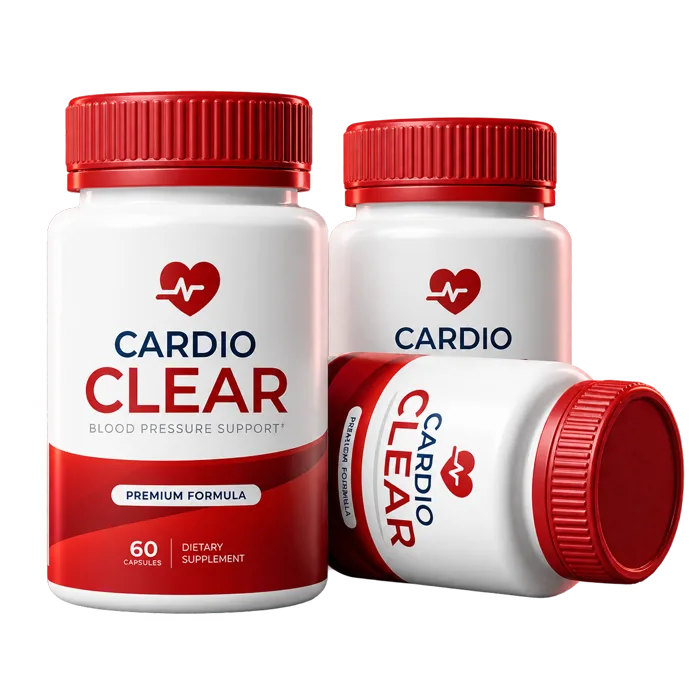
CardioClear is relevant to this topic as it's a supplement designed to support cardiovascular and circulation health, which is foundational to maintaining healthy blood pressure.
- Buy 3, Get 3 Free — Lowest Price Ever$29.99/bottle
- Buy 2, Get 2 Free — Most Popular$39.99/bottle
- Buy 1, Get 1 Free$59.99/bottle
We may earn a commission at no extra cost to you.
The Bottom Line
Understanding the difference between normal blood pressure and hypertension is the first step toward protecting your heart health. Regular monitoring, combined with consistent lifestyle choices, forms the most effective defense against the silent threat of high blood pressure. Don't wait for symptoms; be proactive about your cardiovascular well-being.