 Wellness Review Labs
 By
By 
The short answer to whether high blood pressure causes headaches is nuanced: routine hypertension usually causes no symptoms at all, but a severe blood pressure surge can indeed cause a painful, throbbing headache. Major clinical organizations, including the American Heart Association, emphasize that ordinary stage 1 or stage 2 high blood pressure is largely asymptomatic. That is why millions of adults walk around with elevated numbers without feeling sick.
However, when blood pressure reaches dangerously elevated levels—typically a systolic reading over 180 or a diastolic reading over 120—it can alter pressure dynamics inside the skull. This state requires urgent medical evaluation to prevent complications and restore stable circulation.
The Difference Between Hypertensive Crisis and Everyday Tension
To understand why a headache happens, it helps to distinguish between everyday arterial pressure and a sudden hypertensive crisis. Under normal circumstances, blood vessels throughout your body expand and contract smoothly to regulate blood flow. When systemic pressure stays moderately elevated over months or years, the vascular walls gradually thicken, but brain tissue rarely experiences immediate swelling.
In contrast, a hypertensive crisis occurs when blood pressure rises so rapidly that the brain's auto-regulation mechanisms are overwhelmed. Fluid can leak slightly from small vessels, creating cerebral edema (swelling). This causes pressure inside the skull to build, resulting in a distinct, bilateral headache that often worsens with physical exertion.
More commonly, what feels like a 'blood pressure headache' is actually a tension headache caused by stress. When you are anxious, overworked, or in pain, your body releases stress hormones like cortisol and adrenaline. These hormones tighten neck and scalp muscles while simultaneously narrowing blood vessels, causing both your headache and a temporary surge in your blood pressure.
Warning Signs: When a Blood Pressure Headache Is an Emergency
If you take your blood pressure at home and notice an elevated reading alongside a headache, you must know how to spot the signs of a true cardiovascular emergency. A hypertensive crisis is not something to wait out or treat with over-the-counter pain relievers.
- A sudden, severe headache ('thunderclap' intensity)
- Blurred vision, double vision, or loss of sight
- Chest pain, tightness, or shortness of breath
- Numbness, weakness, or difficulty speaking
- Unexplained dizziness, nausea, or nosebleeds
If your reading is high but you have no other severe symptoms, rest quietly for five minutes and retest. If the numbers remain consistently above normal limits, contact your primary care doctor for guidance.

Everyday Habits That Help Support Healthy Blood Pressure
For those managing general cardiovascular wellness, day-to-day choices form the bedrock of heart health. Even small, consistent modifications can yield meaningful improvements in vascular ease and overall well-being.
- Manage Sodium Intake: Aim to limit dietary sodium to less than 2,300 milligrams per day (or 1,500 milligrams if recommended by your physician) by minimizing processed foods and restaurant meals.
- Engage in Regular Movement: Aim for at least 150 minutes of moderate aerobic exercise—such as brisk walking, swimming, or cycling—each week to encourage arterial flexibility.
- Prioritize Restful Sleep: Chronic sleep deprivation or untreated sleep apnea increases nighttime stress hormones, contributing to morning headaches and sustained high pressure.
- Practice Daily Stress Relief: Mindful breathing, progressive muscle relaxation, or quiet morning walks help reduce sympathetic nervous system overdrive.
- Monitor Consistently: Keep a regular log of morning and evening blood pressure readings using a validated upper-arm cuff to share with your healthcare provider.
Tracking your readings at the same time each day provides your medical team with an accurate picture of your vascular health, eliminating the guesswork surrounding periodic headaches.— Cardiovascular Health Guidelines
Exploring Targeted Nutritional Support: Cardiocept
Alongside a balanced diet and regular physical activity, many adults over 45 look for routine nutritional support to help maintain ongoing vascular wellness. One option available for daily cardiovascular care is Cardiocept.
Delivered in an easy-to-swallow capsule format, Cardiocept is formulated to provide daily nutritional support for heart health, healthy blood pressure, and overall cardiovascular wellness. It is designed for adults seeking a convenient, ongoing addition to their daily health routine.
It is critical to understand what Cardiocept is and what it is not. Cardiocept is a dietary supplement designed to promote general circulatory wellness; it does not lower blood pressure on its own, nor is it a cure or medical treatment for hypertension. If you take prescription blood pressure medication, you must continue taking it as directed by your doctor. Always consult your healthcare provider before introducing any new supplement to ensure it aligns with your care plan.
Cardiocept is available directly from the official manufacturer in 2-, 3-, and 6-bottle packages, allowing you to choose the quantity that fits your personal wellness timeline. You can review current package pricing on their official order page. To ensure peace of mind, every purchase is protected by a standard 60-day money-back guarantee, allowing you to evaluate how it fits into your daily routine without financial risk.
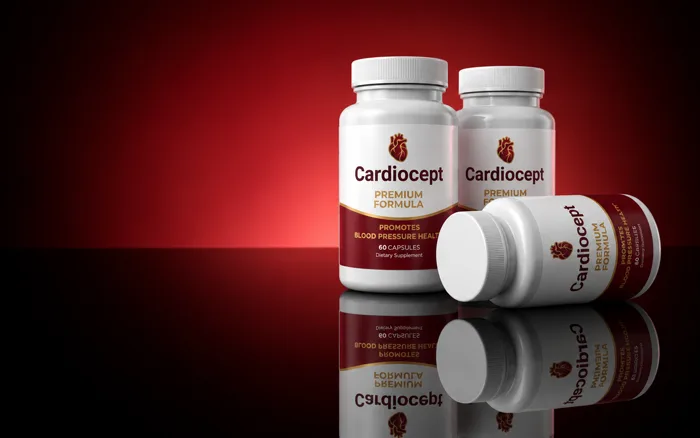
Cardiocept offers daily capsule-based nutritional support for adults looking to promote general circulation and heart health alongside established lifestyle habits.
- 6-Bottle Package — Lowest Price Per Bottlebest value/bottle
- 3-Bottle Package — Most Popularmost popular/bottle
- 2-Bottle Packagestarter/bottle
We may earn a commission at no extra cost to you.
Realistic Expectations and Long-Term Heart Care
Achieving stable blood pressure and reducing frequent tension headaches requires a patient, comprehensive approach. Dietary supplements are intended to complement—never replace—core lifestyle choices and medically supervised treatment plans.
Work closely with your primary care physician to monitor your numbers, review any head pain symptoms, and build a safe, personalized strategy that keeps your heart and brain protected for years to come.