 Wellness Review Labs
 By
By 
When you search for information on blood pressure, you'll often see two terms: hypertension and hypotension. While both relate to your blood pressure, they represent opposite ends of the spectrum and come with very different sets of symptoms and health risks. Knowing the difference is important for recognizing potential health issues.
In simple terms, hypertension is high blood pressure, and hypotension is low blood pressure. Your blood pressure reading involves two numbers: systolic (the top number, pressure when your heart beats) and diastolic (the bottom number, pressure when your heart rests between beats). Normal blood pressure is generally considered to be less than 120/80 mmHg.
Hypertension: The Silent Threat
The most concerning aspect of hypertension is that it often presents with no noticeable symptoms, especially in its early stages. This is why it’s often called 'the silent killer.' Many people live for years with high blood pressure without realizing it, all while it's quietly damaging their blood vessels and organs.
When symptoms do appear, they usually indicate that blood pressure has reached a dangerously high level or that organ damage has already begun. These severe symptoms are not what you'd typically feel with mild or moderate hypertension.
- Severe headache: Not a typical headache, but one that is unusually intense or persistent.
- Shortness of breath: Difficulty breathing, especially during activity or at rest.
- Nosebleeds: Frequent or heavy nosebleeds without an obvious cause.
- Fatigue or confusion: Feeling unusually tired, disoriented, or having trouble concentrating.
- Vision problems: Blurred vision, double vision, or other changes in eyesight.
- Chest pain: Discomfort or pressure in the chest.
- Blood in the urine: A serious sign that requires immediate medical attention.
If you experience any of these symptoms, particularly a combination of them, seek emergency medical care immediately. These could be signs of a hypertensive crisis, which is a life-threatening condition.
Hypotension: When Pressure Drops Too Low
Unlike hypertension, hypotension often has more immediate and noticeable symptoms. While a blood pressure reading below 90/60 mmHg is generally considered low, not everyone with readings in this range will experience symptoms. It's when the low pressure causes insufficient blood flow to your organs that symptoms arise.
- Dizziness or lightheadedness: Especially when standing up quickly (orthostatic hypotension).
- Fainting (syncope): A temporary loss of consciousness due to reduced blood flow to the brain.
- Blurred vision: Similar to hypertension, but often comes and goes.
- Nausea: Feeling sick to your stomach.
- Fatigue: Persistent tiredness or lack of energy.
- Lack of concentration: Difficulty focusing or feeling mentally foggy.
- Cold, clammy, pale skin: Signs of reduced blood flow to the extremities.
- Rapid, shallow breathing: Your body trying to compensate for lack of oxygen.
Mild, occasional dizziness when standing up might not be a major concern, but persistent or severe symptoms of hypotension, especially fainting or confusion, warrant a doctor's visit. Severe hypotension can deprive your brain and other vital organs of oxygen, leading to shock.

Why Do These Conditions Happen?
Understanding the causes can help you manage your risk and make informed lifestyle choices.
Common Causes of Hypertension
- Age: Blood pressure tends to increase with age.
- Family history: If your parents or close relatives have high blood pressure, your risk is higher.
- Diet: High sodium intake, low potassium intake.
- Lack of physical activity: Sedentary lifestyle.
- Obesity: Carrying excess weight puts strain on your heart and blood vessels.
- Smoking: Damages blood vessel walls and narrows arteries.
- Alcohol abuse: Excessive drinking can raise blood pressure.
- Stress: Chronic stress can contribute to higher blood pressure.
- Certain medical conditions: Kidney disease, thyroid problems, sleep apnea, and some medications.
Common Causes of Hypotension
- Dehydration: Not drinking enough fluids reduces blood volume.
- Heart problems: Conditions like heart failure, heart attack, or very slow heart rate.
- Endocrine problems: Thyroid issues, adrenal insufficiency, low blood sugar.
- Severe infection (septic shock): Blood pressure drops dangerously.
- Allergic reaction (anaphylaxis): A severe, life-threatening reaction.
- Blood loss: From injury or internal bleeding.
- Nutritional deficiencies: Lack of B12 or folate can cause anemia, leading to low blood pressure.
- Certain medications: Diuretics, alpha blockers, beta blockers, antidepressants, and medications for erectile dysfunction.
What Actually Helps? Everyday Steps for Better Blood Pressure
Whether your concern is high or low blood pressure, many foundational health practices can help. These aren't quick fixes but consistent habits that support overall cardiovascular health.
- Balanced Diet: Focus on whole foods, plenty of fruits and vegetables, lean proteins, and healthy fats. Reduce processed foods, excessive sodium (for hypertension), and unhealthy saturated/trans fats.
- Regular Exercise: Aim for at least 150 minutes of moderate-intensity aerobic activity per week. This strengthens your heart and improves circulation.
- Stay Hydrated: Drinking enough water throughout the day is especially crucial for preventing dehydration, which is a common cause of hypotension.
- Maintain a Healthy Weight: Losing even a small amount of weight can significantly impact blood pressure.
- Manage Stress: Practice relaxation techniques like deep breathing, meditation, or yoga. Chronic stress can negatively affect blood pressure.
- Limit Alcohol and Quit Smoking: Both significantly contribute to poor cardiovascular health.
- Monitor Your Blood Pressure: Especially if you're over 40 or have risk factors, regular home monitoring can help you and your doctor track trends.
For individuals managing high blood pressure, your doctor might also recommend specific dietary approaches like the DASH (Dietary Approaches to Stop Hypertension) diet, which emphasizes foods that are low in sodium and rich in potassium, calcium, and magnesium.
Supporting Your Cardiovascular Health with Supplements
While lifestyle changes are the cornerstone of blood pressure management, some people look for additional support. Certain natural ingredients are studied for their potential to help support cardiovascular health and circulation. It's important to understand that supplements are not a substitute for medical treatment or healthy habits, and they cannot cure, treat, or prevent any disease.
Our product, CardioClear, is designed to promote cardiovascular and circulation support. It contains a blend of ingredients that may help support healthy blood flow and arterial function. For example, ingredients like CoQ10 are known for their role in cellular energy production, which is vital for heart function, and ingredients like hawthorn berry have a history of traditional use for supporting heart health. CardioClear aims to complement a healthy lifestyle, not replace it. It's available from $29.99 per bottle and comes with a 90-day money-back guarantee, allowing you to try it with confidence.
The Verdict
If you're experiencing symptoms related to blood pressure fluctuations, understanding the differences between hypertension and hypotension is crucial. CardioClear is designed to offer daily support for maintaining healthy blood pressure levels already within the normal range. It may be a beneficial addition to a healthy lifestyle for those looking to proactively support their cardiovascular well-being.
Who This Is For — And Who It Is Not
- Individuals seeking daily support for blood pressure already within a healthy range.
- Anyone looking for a supplement to complement a heart-healthy diet and exercise routine.
- Those interested in a product with a 90-day money-back guarantee for trying it out.
- Anyone experiencing severe or persistent symptoms of hypertension or hypotension – consult a doctor immediately.
- Individuals who are currently on blood pressure medication or have a diagnosed medical condition.
- Those expecting rapid or dramatic changes in their blood pressure levels.
- Anyone looking for a replacement for prescribed medical treatment or a healthy lifestyle.
What We Could Not Verify
We say this plainly because most pages in this category do not. Here is what we could not independently confirm about CardioClear:
- The specific amounts of each component in the formula, as it is proprietary.
- Independent clinical trials directly on the CardioClear product itself.
- The exact mechanism by which the product achieves its stated benefits.
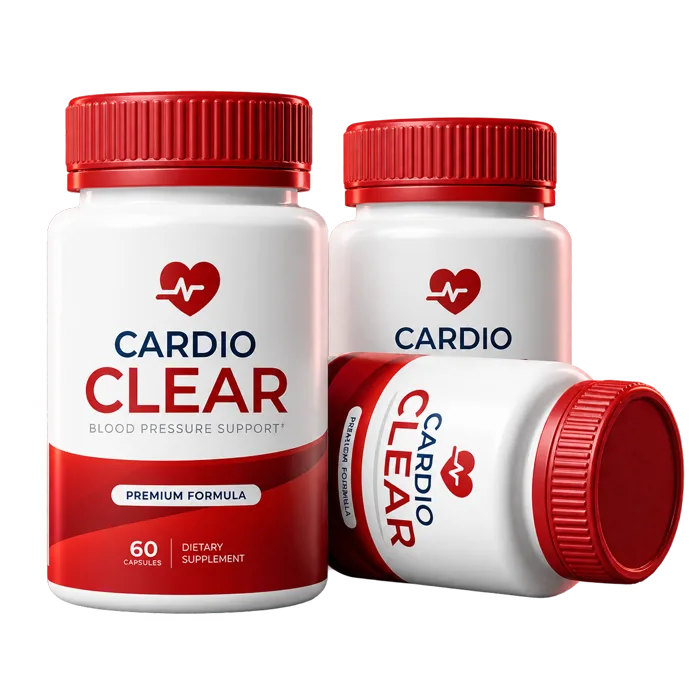
CardioClear is relevant as it's designed to promote overall cardiovascular and circulation support, which is a key aspect of managing blood pressure health, whether dealing with hypertension or hypotension concerns, though it doesn't directly treat either condition.
- Buy 3, Get 3 Free — Lowest Price Ever$29.99/bottle
- Buy 2, Get 2 Free — Most Popular$39.99/bottle
- Buy 1, Get 1 Free$59.99/bottle
We may earn a commission at no extra cost to you.
I was looking for something to help me feel more energetic and support my heart as I get older. CardioClear seems to fit well with my healthy eating and exercise routine.— A satisfied user focusing on proactive heart health