 Wellness Review Labs
 By
By 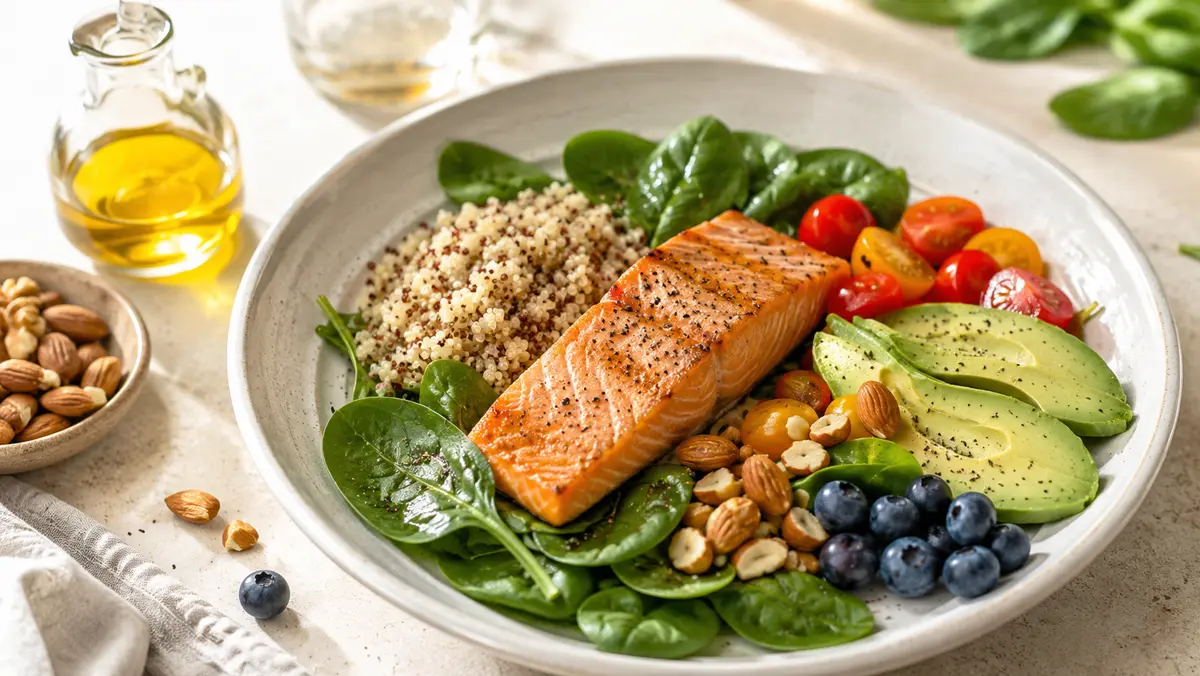
For many, the first step in addressing high blood pressure, or hypertension, often involves looking at daily habits, and diet is right at the top of that list. The good news is that focusing on certain foods can make a real difference in helping to keep your blood pressure numbers in a healthy range. It’s not about drastic deprivation, but rather about making informed choices that nourish your heart and blood vessels.
High blood pressure puts extra strain on your arteries, making your heart work harder. Over time, this can lead to serious health issues. While medication is sometimes necessary, dietary changes are a cornerstone of managing this condition, often recommended alongside other lifestyle adjustments like regular exercise and stress reduction.
The DASH Diet: A Proven Approach
When it comes to foods that help lower blood pressure, health professionals often point to the Dietary Approaches to Stop Hypertension (DASH) diet. This eating plan isn't a fad; it's a well-researched strategy that emphasizes foods rich in potassium, calcium, and magnesium, and low in sodium, saturated fat, and cholesterol.
Think of the DASH diet as a framework for healthy eating that naturally supports blood pressure control. It's flexible and focuses on whole, unprocessed foods.
Your Plate for Lower Blood Pressure: Key Food Groups
Let's break down the types of foods that should be front and center in your diet if you're looking to manage high blood pressure.
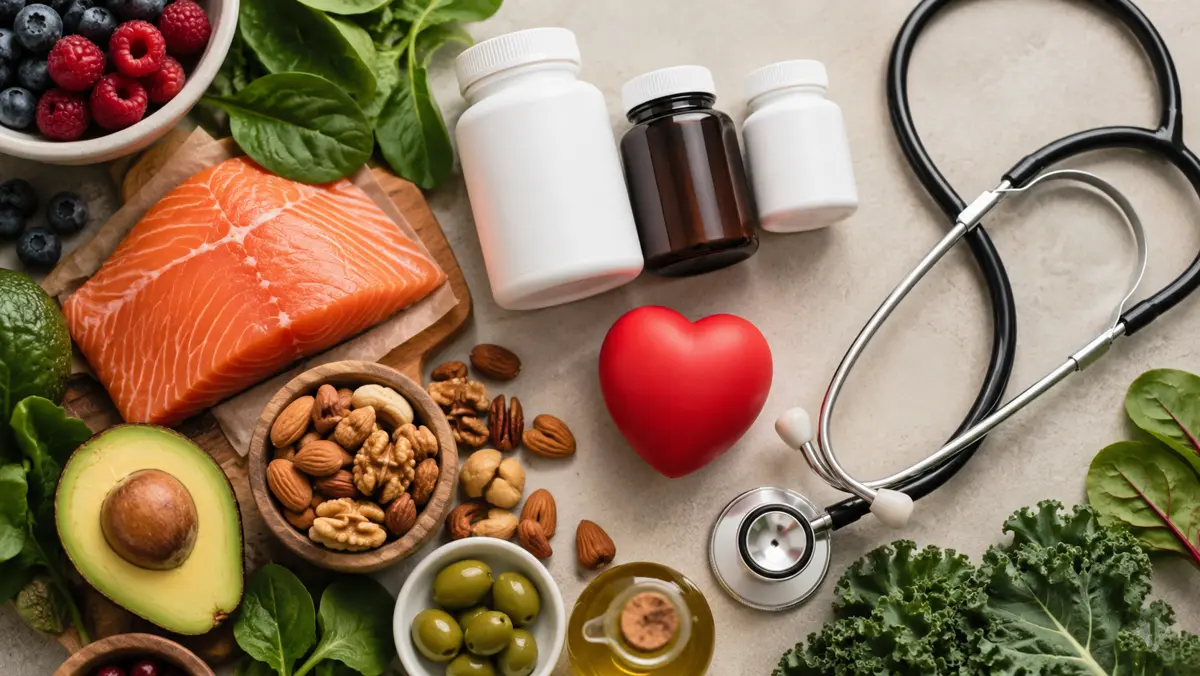
- Fruits and Vegetables: These are powerhouses of potassium, magnesium, and fiber. Aim for 4-5 servings of each per day. Think berries, bananas, leafy greens (spinach, kale), broccoli, carrots, and sweet potatoes. The more colorful your plate, the better.
- Whole Grains: Swapping refined grains for whole grains like oats, brown rice, whole wheat bread, and quinoa provides fiber and nutrients that support heart health. Fiber helps manage cholesterol and blood sugar, indirectly benefiting blood pressure.
- Lean Protein: Opt for fish (especially fatty fish rich in omega-3s like salmon and mackerel), poultry without skin, beans, lentils, and nuts. These provide essential protein without excess saturated fat. Aim for 2-3 servings daily.
- Low-Fat Dairy: Products like skim milk, low-fat yogurt, and cottage cheese provide calcium, which plays a role in blood pressure regulation. Choose unsweetened options to avoid added sugars.
- Healthy Fats: Avocados, nuts (almonds, walnuts), seeds (chia, flax), and olive oil offer monounsaturated and polyunsaturated fats that are beneficial for heart health. Use these in moderation, as they are calorie-dense.
What to Limit or Avoid
Just as important as knowing what to eat is understanding what to reduce or cut back on. These items can actively work against your efforts to maintain healthy blood pressure.
- Sodium (Salt): This is perhaps the biggest culprit. Too much sodium causes your body to retain fluid, increasing blood volume and, consequently, blood pressure. Most of the sodium we consume comes from processed foods, not the salt shaker. Read labels carefully and aim for less than 2,300 milligrams per day, or ideally, even less if recommended by your doctor.
- Saturated and Trans Fats: These fats, found in red meat, full-fat dairy, and many processed snacks, can raise bad cholesterol levels, contributing to plaque buildup in arteries. This narrowing of blood vessels can increase blood pressure.
- Added Sugars: Sugary drinks and foods contribute to weight gain and can indirectly affect blood pressure. High sugar intake is also linked to inflammation and insulin resistance, both of which can impact cardiovascular health.
- Excessive Alcohol: While moderate alcohol consumption might have some perceived benefits, too much can actually raise blood pressure. If you drink, do so in moderation: up to one drink per day for women and up to two drinks per day for men.
Beyond Food: Lifestyle Factors That Matter
While diet is crucial, it's part of a larger picture. Other lifestyle choices significantly impact your blood pressure readings.
- Regular Physical Activity: Aim for at least 150 minutes of moderate-intensity exercise per week, such as brisk walking. Exercise strengthens your heart and helps it pump blood more efficiently, reducing pressure on your arteries.
- Maintain a Healthy Weight: Losing even a small amount of weight if you're overweight or obese can make a noticeable difference in your blood pressure.
- Manage Stress: Chronic stress can contribute to high blood pressure. Find healthy ways to cope, like meditation, yoga, spending time in nature, or engaging in hobbies you enjoy.
- Quit Smoking: Smoking damages blood vessel walls and narrows arteries, significantly increasing blood pressure and heart disease risk. Quitting is one of the best things you can do for your heart.
The Role of Supplements: Supporting Your Efforts
While a healthy diet and lifestyle are foundational, some individuals look for additional support. Certain supplements are designed to promote cardiovascular health and circulation, which indirectly supports healthy blood pressure levels. It's important to remember that supplements are not a substitute for a balanced diet or medical treatment.
For example, ingredients like hawthorn berry, known for its traditional use in supporting heart function, or L-arginine, an amino acid that may help with nitric oxide production for healthy blood vessel dilation, are sometimes included in cardiovascular support formulas. These are not intended to cure or treat high blood pressure, but rather to complement a healthy lifestyle by providing targeted nutritional support.
One such product is CardioClear. This formula contains a blend of ingredients designed to promote healthy circulation and cardiovascular function. It aims to support the body's natural mechanisms for maintaining blood vessel health. It's important to understand that CardioClear, like any supplement, is not a medication for high blood pressure and should not replace any prescribed treatments. Its role is to offer complementary support for those committed to a heart-healthy lifestyle.
The Verdict
Based on our review, CardioClear may be a useful dietary supplement for individuals looking to support their cardiovascular health. Its 90-day money-back guarantee provides an opportunity to try the product with reduced financial risk. However, it should be considered as part of a broader healthy lifestyle, not as a standalone solution.
Who This Is For — And Who It Is Not
- Individuals seeking a supplement to support overall heart health.
- Those looking for a product with a money-back guarantee.
- People committed to combining supplements with a healthy diet and exercise.
- Anyone with diagnosed high blood pressure who has not consulted a doctor.
- Individuals who expect immediate or dramatic changes in blood pressure.
- Anyone considering it as a replacement for prescribed medication or medical advice.
- Those with underlying health conditions without physician approval.
What We Could Not Verify
We say this plainly because most pages in this category do not. Here is what we could not independently confirm about CardioClear:
- The specific ingredients and their exact dosages, as the manufacturer does not publish a formula.
- Independent third-party testing results for purity and potency.
- The scientific basis for all of the product's claimed benefits, due to the lack of ingredient transparency.
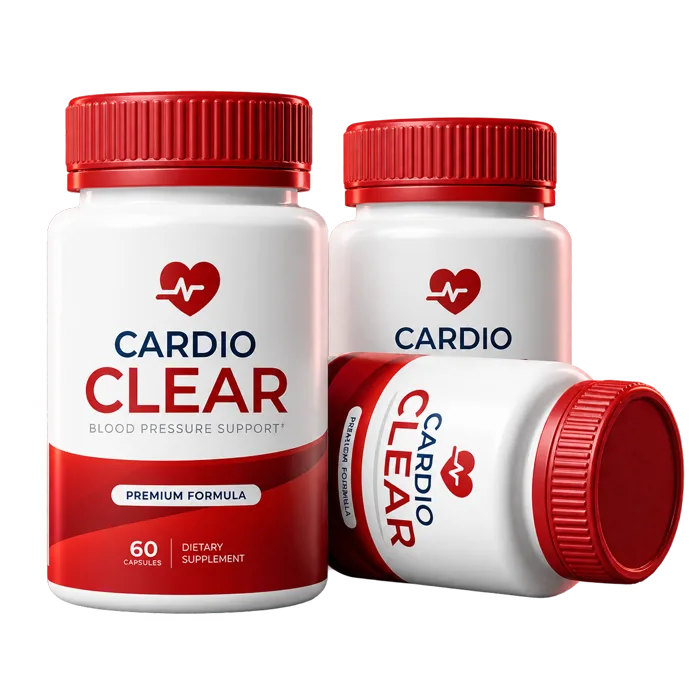
CardioClear is relevant here as a supplement designed to support overall cardiovascular health and circulation, complementing a heart-healthy diet and lifestyle for those managing high blood pressure.
- Buy 3, Get 3 Free — Lowest Price Ever$29.99/bottle
- Buy 2, Get 2 Free — Most Popular$39.99/bottle
- Buy 1, Get 1 Free$59.99/bottle
We may earn a commission at no extra cost to you.
Making gradual, sustainable changes to your diet is more effective than trying to overhaul everything overnight. Small steps lead to big results.— A satisfied reader
Putting It All Together
Adopting a heart-healthy diet doesn't have to be complicated. Start by incorporating more fruits, vegetables, and whole grains into your meals. Pay attention to food labels to reduce sodium, and choose lean proteins and healthy fats. These dietary adjustments, combined with regular exercise and stress management, form a powerful strategy for managing high blood pressure and supporting your overall cardiovascular well-being.