 Wellness Review Labs
 By
By 
It’s easy to feel confused when your hair starts behaving differently. One day it feels full and bouncy, the next it seems flatter, less dense, and maybe you're seeing more scalp than usual. Understanding the distinction between normal hair and hair that’s beginning to thin is the first step toward addressing your concerns.
What's 'Normal' Hair?
Normal hair isn't just about how it looks; it's about its natural cycle of growth, rest, and shedding. Every day, we shed between 50 and 100 strands of hair. This is completely normal and part of a healthy hair growth cycle. These hairs are replaced by new ones growing from the same follicles, maintaining a relatively consistent density and thickness.
- Consistent Density: Your hair feels consistently thick across your scalp.
- Minimal Scalp Visibility: Your scalp is not easily visible through your hair, especially at the crown or part.
- Regular Shedding: You notice some hair in your brush, shower drain, or on your clothes, but it's usually within the 50-100 strands per day range.
- Strong Hair Strands: Individual hair strands feel robust and have a consistent diameter from root to tip.
How Does Thinning Hair Look and Feel Different?
Thinning hair, on the other hand, means that the balance between hair shedding and hair regrowth is disrupted. Either you're shedding significantly more hair than normal, or the new hair growing in is finer and weaker, or both. This leads to a gradual reduction in overall hair volume and density.
- Reduced Density: Your hair feels noticeably less full, particularly at the crown, temples, or along your part line.
- Increased Scalp Visibility: You might notice your scalp becoming more visible, especially under bright lights or when your hair is wet.
- Excessive Shedding: You're consistently losing more than 100 hairs a day. This might be evident in larger clumps of hair in the shower or on your pillow.
- Finer Hair Strands: Individual hairs may feel thinner and weaker, and they might not hold style as well as they used to.
- Wider Part Line: For many, especially women, a widening of the hair part is a common early sign of thinning.
- Ponytail Test: If your ponytail feels significantly thinner than it used to, it's a good indicator of overall hair loss.

Common Causes of Hair Thinning
Hair thinning isn't just one thing; it can stem from a variety of factors. Understanding these can help you pinpoint potential triggers.
- Genetics (Androgenetic Alopecia): This is the most common cause, often called male or female pattern baldness. It's inherited and leads to a predictable pattern of hair loss.
- Hormonal Changes: Fluctuations during menopause, pregnancy, childbirth, or due to thyroid conditions can significantly impact hair growth.
- Stress: Significant physical or emotional stress can push a large number of hair follicles into a resting phase, leading to noticeable shedding a few months later (telogen effluvium).
- Nutritional Deficiencies: Lack of essential vitamins and minerals like iron, zinc, biotin, and vitamins D and A can disrupt the hair growth cycle.
- Medical Conditions: Autoimmune diseases (like alopecia areata), scalp infections, and certain skin conditions can cause hair loss.
- Medications: Some drugs, including those for cancer, arthritis, depression, heart problems, and high blood pressure, can have hair loss as a side effect.
- Harsh Hair Treatments: Excessive heat styling, tight hairstyles, and chemical treatments can damage hair follicles over time, leading to breakage and thinning.
What You Can Do to Support Healthier Hair
While you can't change your genetics, there are many steps you can take to support your hair's health and potentially slow down or even reverse some types of thinning.
- Gentle Hair Care: Avoid aggressive brushing, tight hairstyles, and excessive heat. Use mild shampoos and conditioners designed for thinning hair.
- Balanced Nutrition: Ensure your diet is rich in protein, iron, omega-3 fatty acids, and vitamins. Foods like lean meats, fish, nuts, seeds, and leafy greens are beneficial.
- Manage Stress: Techniques like meditation, yoga, regular exercise, and adequate sleep can help reduce stress-related hair shedding.
- Supplement Support: If your diet is lacking, or if you're looking for targeted support, certain supplements are formulated with ingredients known to support hair health.
- Consult a Professional: A dermatologist or your primary care doctor can diagnose the specific cause of your hair thinning and recommend appropriate treatments, which might include topical solutions, oral medications, or other interventions.
"I started noticing my hair feeling really flat and my part getting wider. It was disheartening. Making small changes to my diet and using gentler products has made a noticeable difference in how my hair feels and looks."— An illustrative user
Supporting Your Hair from Within: The Role of Supplements
While no supplement can cure genetic baldness, many are designed to support the underlying nutritional needs for healthy hair growth. Crowned, for example, is a hair, skin, and nail support formula that aims to provide a blend of vitamins, minerals, and other ingredients often associated with maintaining hair vitality. It’s designed to promote stronger, healthier hair by addressing potential dietary gaps, rather than acting as a medical treatment.
Ingredients commonly found in such formulas include biotin, collagen, specific B vitamins, zinc, and iron, all of which play roles in hair follicle function and hair strand integrity. For instance, biotin is known for its role in keratin production, the main protein that makes up hair. Collagen provides amino acids that are building blocks for hair, and iron is crucial for oxygen transport to hair follicles. It’s important to remember that individual results can vary, and supplements work best as part of a holistic approach to hair health, alongside a balanced diet and healthy lifestyle.
The Verdict
Crowned may be a reasonable option for individuals noticing early signs of hair thinning and seeking a non-medical approach to support hair health. While it offers a money-back guarantee, it's important to have realistic expectations about the pace and extent of any potential changes.
Who This Is For — And Who It Is Not
- Individuals experiencing mild, non-medical hair thinning.
- Those looking for a supplement to support overall hair health.
- People willing to commit to a consistent, long-term regimen.
- Consumers who value a money-back guarantee.
- Anyone with significant or sudden hair loss, which requires a doctor's evaluation.
- Individuals expecting rapid or dramatic changes in hair thickness or growth.
- Those with underlying medical conditions contributing to hair loss.
- People seeking a replacement for prescribed medical treatments for hair loss.
What We Could Not Verify
We say this plainly because most pages in this category do not. Here is what we could not independently confirm about Crowned:
- The specific ingredients and their concentrations within the formula.
- The scientific research, if any, supporting the product's claims.
- The manufacturing processes and quality control standards used.
- Independent third-party testing results for purity or potency.
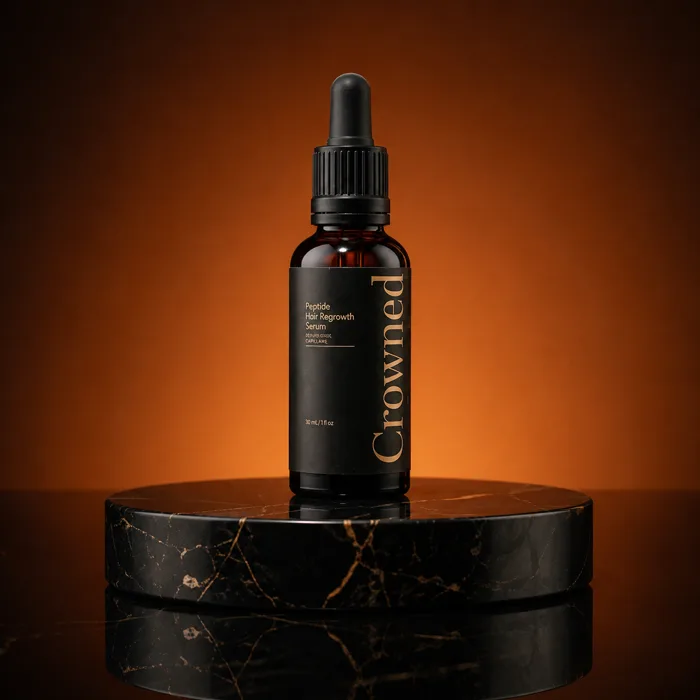
Crowned is relevant to this keyword as a dietary supplement designed to support the nutritional needs for healthy hair growth, which can be a beneficial approach for individuals experiencing or concerned about hair thinning.
- Buy 3, Get 3 Free — Lowest Price Ever$19.99/bottle
- Buy 2, Get 2 Free — Most Popular$27.49/bottle
- Buy 1, Get 1 Free$44.75/bottle
We may earn a commission at no extra cost to you.
The Bottom Line
Distinguishing between normal hair and thinning hair involves paying attention to changes in density, scalp visibility, and shedding patterns. While aging naturally brings some changes, significant thinning often has identifiable causes that can be addressed. By understanding these differences and taking proactive steps—from lifestyle adjustments to nutritional support—you can help maintain the health and appearance of your hair for years to come.