 Wellness Review Labs
 By
By 
Yes, Zoloft (sertraline) can cause hair thinning. While it is not listed as a primary side effect in initial clinical trials, post-marketing reports and dermatological studies have established a clear link between SSRIs and temporary hair shedding. This type of hair loss is called telogen effluvium, and it generally presents as diffuse thinning all over the scalp rather than patchy bald spots. The encouraging news is that this shedding is almost always temporary and reversible once your body adjusts or the underlying cause is addressed.
For readers in the 45-to-75 age bracket, noticing sudden hair shedding can be particularly distressing, as it often compounds natural, age-related hair changes. However, understanding the biological mechanism behind medication-induced shedding can take away much of the anxiety. Below, we look at how Zoloft affects your hair cycle, how to distinguish it from other forms of thinning, and what practical steps you can take today.
How Zoloft Triggers Telogen Effluvium
To understand why Zoloft can cause hair thinning, it helps to look at the normal life cycle of a hair follicle. At any given moment, about 85% to 90% of the hairs on your head are in the anagen (growth) phase, which lasts for several years. The remaining hairs are either in a brief transitional phase or the telogen (resting) phase, which lasts for a few months before the hair naturally sheds and a new one begins to grow.
When you introduce a new medication like Zoloft, or when your body undergoes a sudden physiological change, it can shock the system. This shock can prematurely push a large number of active hair follicles out of the growth phase and directly into the resting phase. Because the resting phase lasts for several weeks, you will not notice immediate hair loss. Instead, you will typically experience widespread shedding about two to three months after starting the medication or adjusting your dose.
Is It Zoloft or Natural Age-Related Thinning?
For those of us over the age of 45, hair naturally undergoes changes in texture, density, and growth rate. It is crucial to distinguish between gradual, age-related thinning and sudden, medication-induced shedding so you can take the right approach to support your hair.
- Sudden vs. Gradual: Zoloft-induced shedding (telogen effluvium) happens relatively quickly, with a noticeable increase in daily hair fall over a few weeks. Age-related thinning (androgenetic alopecia) is a slow process that occurs over years.
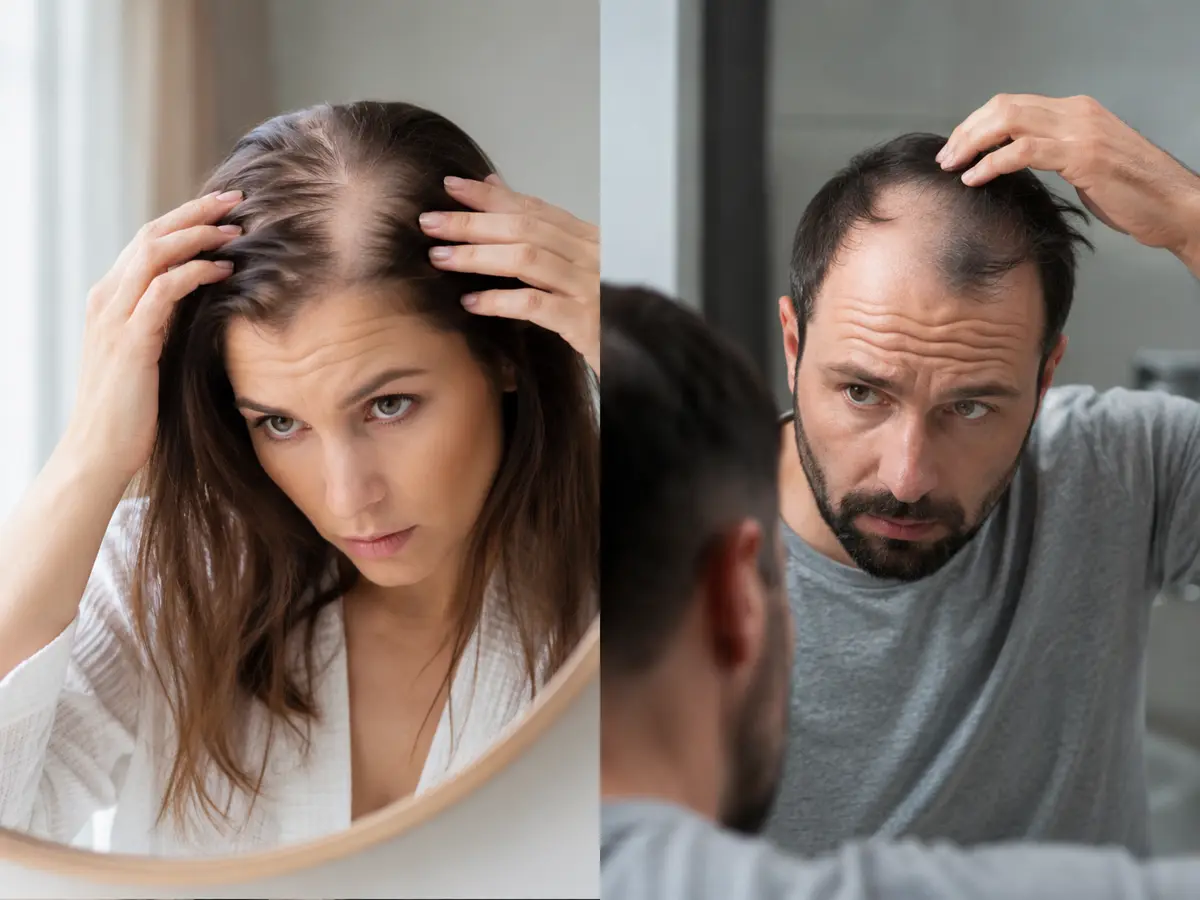
- Pattern of Loss: Medication-induced thinning is diffuse, meaning you will lose hair evenly across your entire scalp. Age-related thinning typically targets specific areas, such as a widening part line, thinning at the temples, or a reduction in volume at the crown.
- Hair Texture: If your hair follicles are shrinking due to age or hormonal shifts (like menopause), the individual strands of hair will become progressively finer and shorter over time. With telogen effluvium, the shed hairs are usually normal, fully formed strands.
Free and Low-Cost Ways to Support Your Scalp
If you are experiencing hair thinning while taking Zoloft, there are several gentle, practical adjustments you can make to your daily routine to support your scalp and encourage healthy regrowth. These behavioral changes do not cost anything but can make a significant difference in preserving the hair you have.
First, minimize physical stress on your hair follicles. Avoid tight hairstyles like buns or ponytails that pull on the roots, as this can worsen shedding. Switch to a soft-bristled brush or a wide-tooth comb, and try to limit the use of high-heat styling tools, harsh chemical dyes, and perms until the shedding stabilizes.
Second, incorporate daily scalp massages. Using your fingertips to apply gentle, circular pressure to your scalp for four to five minutes a day can help support local blood circulation. This increased blood flow helps deliver vital oxygen and nutrients directly to the hair follicles, promoting a healthy environment for new growth.
When my hair started thinning, I panicked and wanted to stop my medication. My doctor helped me realize that being gentle with my hair and focusing on my nutrition was a much safer first step than stopping my treatment cold turkey.— Illustrative Reader Experience
Nutritional Support for the Hair Regrowth Cycle
Your hair follicles require a steady supply of specific micronutrients to build strong, resilient hair strands. When your body is recovering from a shedding event like telogen effluvium, ensuring you have the right nutritional foundation is key to helping support the regrowth process.
A balanced diet rich in lean proteins, healthy fats, and leafy greens is the best place to start. However, if you find it difficult to get all your essential nutrients through food alone, a targeted daily supplement can offer helpful support. This is where a high-quality formula can play a supportive role in your daily routine.
Our team at Wellness Review Labs evaluated Crowned, a daily hair, skin, and nail support formula. Crowned is designed to help support the structural integrity of your hair follicles by providing essential vitamins and minerals, including biotin, zinc, and antioxidant vitamins. It does not cure or reverse drug-induced hair shedding, but it is formulated to help support the natural regrowth phase once your scalp begins to recover.
Crowned is available starting at $19.99 per bottle and comes with a 90-day money-back guarantee, making it an accessible option for those looking to nourish their hair from the inside out as they navigate medication adjustments.
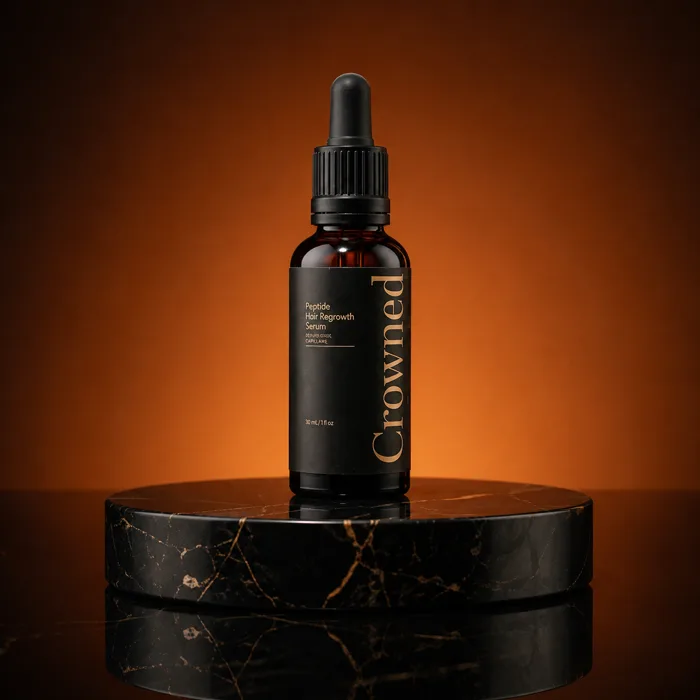
Crowned provides targeted micronutrients like biotin and zinc to help support the scalp's natural regrowth phase as your hair follicles recover from medication-induced shedding.
- Buy 3, Get 3 Free — Lowest Price Ever$19.99/bottle
- Buy 2, Get 2 Free — Most Popular$27.49/bottle
- Buy 1, Get 1 Free$44.75/bottle
We may earn a commission at no extra cost to you.
Safe Steps: Talking to Your Doctor About Medication
The most important rule when dealing with Zoloft-related hair thinning is to never stop taking your medication abruptly. Discontinuing an SSRI suddenly can lead to antidepressant discontinuation syndrome, which can cause severe physical symptoms, dizziness, irritability, and a rapid return of your anxiety or depression.
Instead, schedule a dedicated conversation with your prescribing healthcare provider. Prepare for your appointment by writing down when your shedding started, how much hair you feel you are losing daily, and any other symptoms you have noticed. Your doctor can help determine if Zoloft is indeed the primary cause or if there are other contributing factors, such as a thyroid imbalance or a vitamin D deficiency.
If you and your doctor agree that the hair thinning is related to Zoloft and is causing you significant distress, they can guide you through a safe, gradual taper. In many cases, they may suggest switching to a different antidepressant that has a lower reported incidence of hair-related side effects.