 Wellness Review Labs
 By
By 
Estrogen plays a critical role in maintaining skin elasticity by stimulating collagen and elastin production, and keeping the skin hydrated. When estrogen levels drop—particularly during perimenopause and menopause—collagen production declines rapidly, leading to thinner, less elastic skin. While you cannot completely stop this natural biological shift, you can support your skin through lifestyle adjustments, targeted skincare, and nutritional support.
The Biological Connection Between Estrogen and Your Skin
To understand why your skin changes during hormonal transitions, it helps to look at the underlying biology. Estrogen is not just a reproductive hormone; it is a key driver of skin health. Your skin contains specialized proteins called estrogen receptors, which are highly concentrated in the face, neck, and chest. When estrogen binds to these receptors, it signals cells called fibroblasts to produce collagen and elastin.
Collagen provides the structural scaffolding that keeps your skin firm, while elastin allows it to snap back into place after being stretched. Additionally, estrogen helps regulate the production of acid mucopolysaccharides and hyaluronic acid. These substances act like tiny sponges in the dermal layer, pulling in water to keep your skin plump, hydrated, and bouncy.
When estrogen levels begin to fluctuate and decline during perimenopause, this signaling pathway slows down. The skin loses its primary chemical messenger for renewal, resulting in noticeable changes in texture, thickness, and resilience. The skin barrier also becomes less efficient at retaining moisture, leading to the chronic dryness that many women experience in their late 40s and 50s.
What Happens to Your Skin During Menopause?
The transition into menopause marks a period of rapid change for the skin. Clinical studies show that women lose about 30 percent of their skin's collagen during the first five years of menopause. After this initial drop, the decline continues at a more gradual rate of approximately 2 percent per year.
As collagen and elastin levels drop, several visible shifts occur:
- Increased sagging, particularly around the jawline, cheeks, and neck.
- A noticeable thinning of the skin, making it more delicate and prone to bruising.
- An increase in the depth of fine lines and wrinkles, especially around the eyes and mouth.
- A slower healing process for minor scratches, blemishes, or irritations.
While these changes are a natural part of aging, realizing that they are driven by hormonal shifts can be empowering. It means that traditional anti-aging advice designed for younger skin may not be sufficient. Instead, maturing skin requires a dedicated approach that focuses on supporting structural proteins and rebuilding the compromised moisture barrier.

Free and Behavioral Habits to Protect Skin Elasticity
Before investing in expensive creams or supplements, it is vital to establish a foundation of daily habits that protect your existing collagen. Hormonal decline makes your skin more vulnerable to external stressors, meaning lifestyle choices have a much larger impact than they did in your 20s or 30s.
The single most important habit is daily sun protection. Ultraviolet (UV) radiation from the sun triggers an enzyme reaction that breaks down collagen and elastin. When your skin is already dealing with lower estrogen levels, UV damage accelerates sagging and thinning. Apply a broad-spectrum sunscreen with an SPF of 30 or higher every morning, even on cloudy days.
Sleep quality is another critical factor. During deep sleep, your body enters a state of repair, releasing growth hormones that stimulate cell turnover and collagen synthesis. Aim for seven to eight hours of quality sleep per night, and try sleeping on your back or using a silk pillowcase to minimize mechanical friction on your facial skin.
Protecting your skin from UV light and chronic stress won't replace lost estrogen, but it prevents the rapid acceleration of collagen breakdown, giving your body a fighting chance to maintain its natural structure.— Senior Health Editorial Team, Wellness Review Labs
Dietary and Topical Interventions That Support Maturing Skin
What you put on your skin and into your body can significantly influence how it adapts to lower estrogen levels. On the skincare front, look for ingredients that actively support cell turnover and hydration. Topical retinoids (vitamin A derivatives) are highly regarded for their ability to signal fibroblasts to produce more collagen, helping to offset the loss of estrogenic stimulation.
To address dryness and thinning, incorporate topicals containing hyaluronic acid, ceramides, and glycerin. These ingredients draw moisture into the skin and seal it in, temporarily plumping the tissue and smoothing the appearance of fine lines.
From a dietary perspective, focus on providing your body with the nutritional building blocks it needs to maintain skin health. This includes:
- Phytoestrogens: Plant-based compounds found in soy, flaxseeds, and sesame seeds that can weakly mimic estrogen in the body.
- Vitamin C: A crucial co-factor for collagen synthesis and a powerful antioxidant that protects skin from oxidative stress.
- Healthy Fats: Omega-3 fatty acids found in wild-caught fish, walnuts, and chia seeds, which support the skin's lipid barrier.
Crowned: A Targeted Nutrient Option for Maturing Skin
For readers looking to supplement their diet with targeted nutrients, Crowned offers an affordable and straightforward option. Developed as a daily hair, skin, and nail support formula, Crowned is designed to promote the natural structural integrity of maturing skin from the inside out.
Priced from $19.99 per bottle, it is an accessible addition to a daily wellness routine. Crowned contains a blend of vitamins, minerals, and botanicals that help support collagen production and cellular health. It is important to note what Crowned is and what it is not: it is a nutritional supplement designed to support your body's natural processes; it does not contain hormones, and it is not a replacement for medical hormone therapies.
Because skin cells take time to cycle and rebuild, consistency is key. The makers of Crowned offer a 90-day money-back guarantee, allowing you to try the formula over several months to see if it fits your personal skin wellness goals.
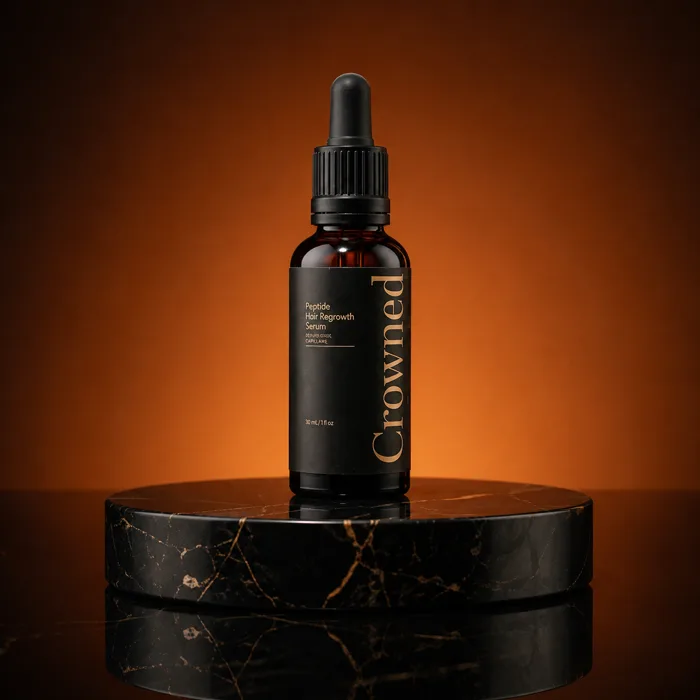
Crowned provides an affordable, hormone-free daily supplement option to support the vital nutrients maturing skin needs to maintain its natural structure as estrogen levels decline.
- Buy 3, Get 3 Free — Lowest Price Ever$19.99/bottle
- Buy 2, Get 2 Free — Most Popular$27.49/bottle
- Buy 1, Get 1 Free$44.75/bottle
We may earn a commission at no extra cost to you.
Understanding Your Options: HRT vs. Non-Hormonal Support
When addressing skin changes related to estrogen decline, many women wonder about Hormone Replacement Therapy (HRT). HRT prescribes systemic estrogen to manage menopausal symptoms like hot flashes, and studies have shown it can also help maintain skin thickness and moisture. However, HRT is a systemic medical treatment with its own set of risks and benefits that must be carefully weighed with a physician.
For those who cannot take HRT due to medical history, or who prefer not to use hormone therapies, non-hormonal strategies are highly effective. Combining targeted topical skincare with internal nutritional support allows you to address skin elasticity safely and comprehensively. Remember that aging is a multi-faceted process, and supporting your skin through a combination of gentle habits, hydration, and targeted nutrients is often the most sustainable path forward.