 Wellness Review Labs
 By
By 
Chemotherapy causes hair loss because the medications cannot distinguish between rapidly dividing cancer cells and other rapidly dividing cells in the body. Hair follicle cells multiply faster than almost any other non-cancerous cells. When chemotherapy medications enter the bloodstream, they disrupt this cellular division at the root, weakening the hair shaft until it breaks or detaches from the follicle. This specific form of rapid shedding is medically referred to as anagen effluvium.
Not every chemotherapy drug causes hair loss, and the degree of shedding depends on the specific medication, dosage, and whether the treatment is administered weekly or every few weeks. For those experiencing it, the process can feel sudden, but knowing the biological timeline makes it easier to plan your care.
The Cellular Mechanism: How Chemotherapy Affects the Follicle
To understand why hair sheds during treatment, it helps to look at the normal hair growth cycle. At any given moment, roughly 85 to 90 percent of the hairs on your scalp are in the anagen phase, or active growth phase. Inside each active follicle, cells in the hair bulb divide every 24 to 72 hours to produce keratin, the protein structure that forms the hair strand.
Chemotherapy works primarily by targeting cell division (mitosis). By attacking cells that multiply rapidly, the drugs shrink tumors and stop malignant cells from spreading. Unfortunately, because the cells in the hair matrix have a mitotic rate comparable to tumor cells, they absorb the impact of the medication.
Once the matrix cells stop dividing, the hair strand develops a severe structural narrowing near the root. As normal friction occurs—such as brushing, washing, or resting against a pillow—the fragile strand breaks off at the scalp level. In other cases, the follicle shuts down entirely and releases the bulb from the root sheath.
The Timeline: From First Infusion to Hair Shedding
Hair loss rarely happens on day one. Most people notice the first signs of shedding between 14 and 21 days after their first chemotherapy session. It often starts as an increased amount of hair in your shower drain or on your hairbrush, followed by tender sensations on the scalp.
This scalp tenderness—often described as a burning, tingling, or bruised sensation—occurs because of microscopic inflammation around the follicles as the hair shafts detach. The shedding usually peaks one to two months into a treatment protocol.
- Weeks 1 to 2: Hair typically looks and feels normal, though scalp sensitivity may begin toward the end of the second week.
- Weeks 2 to 4: Noticeable shedding begins, often in clumps during washing or gentle brushing.
- Months 1 to 3: Continued thinning or complete loss across the scalp, often followed by gradual loss of eyebrows and eyelashes depending on the drug regimen.
- 1 to 2 months post-treatment: Shedding stops completely as the drug clears your system.
Managing the Scalp During Active Treatment
While no topical product or supplement can stop chemotherapy from affecting follicles during active treatment, several practical steps can minimize irritation and protect the sensitive skin beneath your hair.
First, switch to a fragrance-free, gentle shampoo and wash your hair only once or twice a week with lukewarm water. Avoid hair dryers, flat irons, curling wands, and chemical treatments like dyes or perms, which further weaken the structural integrity of the hair shaft.
Many people choose to cut their hair short before shedding starts. A shorter style reduces the physical weight pulling on fragile roots, makes the transition feel less sudden, and simplifies scalp care. If you plan to wear head coverings, look for natural, breathable fabrics like soft cotton or bamboo to avoid friction against sensitive skin.
The Regrowth Phase: What Happens After Treatment Ends
For the vast majority of patients, chemotherapy-induced hair loss is temporary. Once the medications leave your body, the hair follicle matrix cells resume normal cellular division.
Most people notice fine, soft fuzz appearing within three to six weeks after their final treatment. By two to three months, measurable hair growth resumes at the standard rate of roughly a quarter to half an inch per month.
It is very common for new hair to look and feel different from your original hair. This phenomenon, often called 'chemo curls', occurs because the shape of the follicle can be temporarily altered by the medication. Hair may grow back curlier, coarser, or in a slightly different shade. In most cases, these changes settle within 12 months as the follicle fully normalizes.
The first hair that came back was very fine and much curlier than what I had before. Giving my scalp time to rest and focusing on good nutrition gave me a sense of control again.— Patient perspective during post-treatment recovery
Supporting Your Hair and Scalp After Chemotherapy
Once your oncologist confirms your active treatment is complete and your blood counts have stabilized, the focus shifts to nourishing the recovering follicles. Healthy hair growth requires adequate protein, iron, zinc, and B vitamins, all of which support keratin synthesis.
Focus on whole foods rich in micronutrients: eggs, leafy greens, wild-caught fish, nuts, and seeds. Staying well hydrated also supports the barrier function of your scalp skin, reducing flaking and dry patches.
During this post-chemotherapy rebuilding phase, some people look for targeted dietary supplements to provide structural building blocks for their recovering hair, skin, and nails. One option available is Crowned.
Crowned is a daily hair, skin, and nail support formula starting at $19.99 per bottle, backed by a 90-day money-back guarantee. It is designed to provide key micronutrients—including biotin, zinc, and collagen-supportive botanical extracts—that help support keratin production and nourish active hair follicles from within.
It is crucial to understand what a supplement can and cannot do: Crowned cannot prevent hair loss during active chemotherapy, nor can it reverse hair loss caused by ongoing cancer therapies. However, once you have finished treatment and received clearance from your medical team, a formula like Crowned may help support the natural renewal process as your body works to rebuild strong, resilient hair strands.
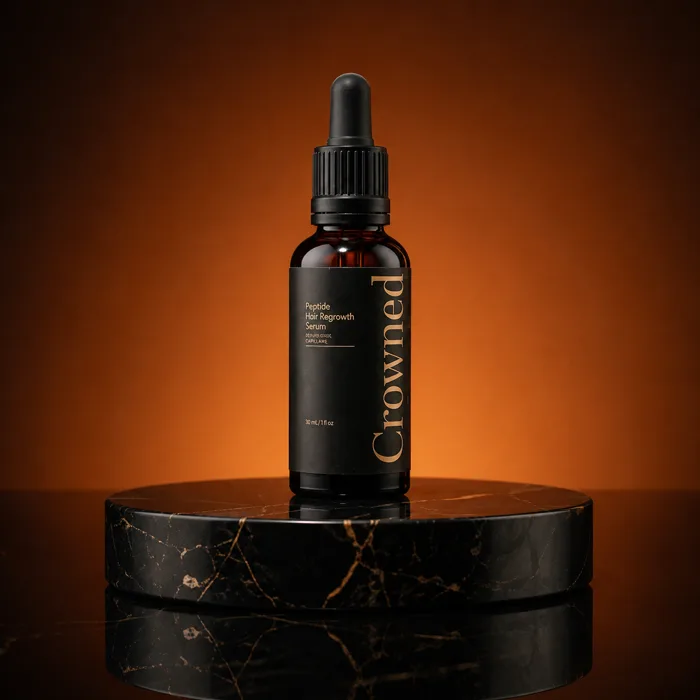
Crowned is introduced strictly as a post-chemotherapy recovery option to support nutrient availability for regrowing hair, with clear disclosures that no supplement prevents hair loss during active treatment.
- Buy 3, Get 3 Free — Lowest Price Ever$19.99/bottle
- Buy 2, Get 2 Free — Most Popular$27.49/bottle
- Buy 1, Get 1 Free$44.75/bottle
We may earn a commission at no extra cost to you.