 Wellness Review Labs
 By
By 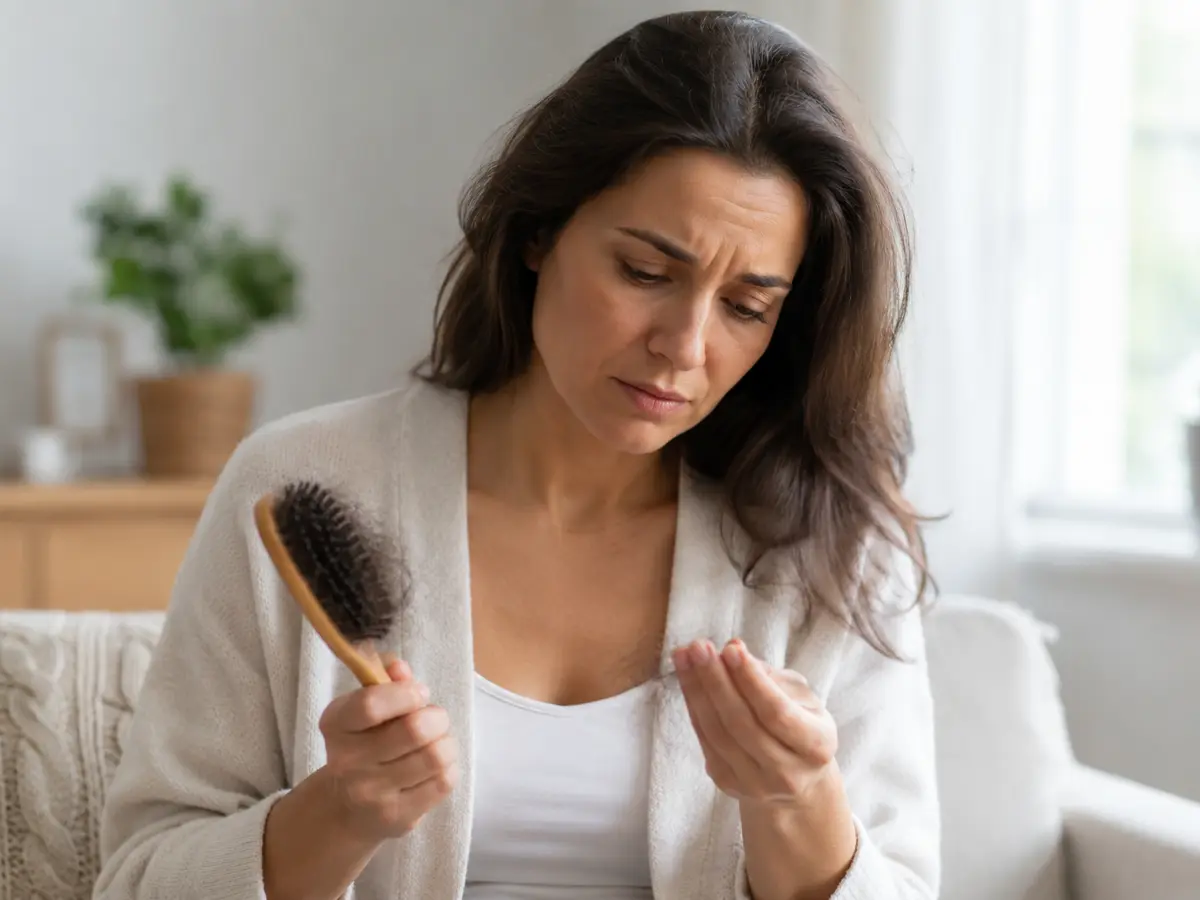
When people ask, "Is hair thinning worth it?" they're usually grappling with the emotional impact and the practical question of whether it's something to accept or actively address. The short answer is: it depends on the cause and how it affects you personally. Hair thinning is often a natural part of the aging process, but it can also be a symptom of various underlying factors that are indeed 'worth' looking into and addressing.
Why Hair Thins: More Than Just Age
While age is a significant factor, it’s rarely the only one. Understanding the common culprits behind hair thinning can help you decide on the best course of action.
- Genetics (Androgenetic Alopecia): Often called male or female pattern baldness, this is the most common cause. If your parents or grandparents experienced thinning, you might too. It typically manifests as a receding hairline and thinning at the crown in men, and a general widening of the part in women.
- Hormonal Changes: Fluctuations in hormones can play a big role. Pregnancy, childbirth, menopause, and thyroid issues are all known triggers. These changes can disrupt the hair growth cycle, leading to increased shedding.
- Stress: Significant physical or emotional stress can push a large number of hair follicles into a resting phase prematurely. This type of hair loss, called telogen effluvium, usually appears a few months after a stressful event.
- Nutritional Deficiencies: Your hair needs a steady supply of vitamins and minerals to grow strong. Deficiencies in iron, zinc, biotin, and vitamins D and B12 can all contribute to thinning.
- Medical Conditions and Medications: Certain autoimmune diseases, scalp infections, and medications (like those for cancer, arthritis, depression, heart problems, or high blood pressure) can lead to hair loss.
- Harsh Hair Care: Over-styling, tight hairstyles, excessive heat, and chemical treatments can damage hair shafts and follicles over time, leading to breakage and thinning.
What Actually Helps: Practical Steps You Can Take
Many people feel helpless when facing hair thinning, but there are several practical, everyday strategies that can support healthier hair and potentially slow down the thinning process. These aren't overnight fixes, but consistent effort can make a difference.
- Gentle Hair Care: Avoid tight hairstyles that pull on your scalp. Use a wide-tooth comb on wet hair, and minimize heat styling. Choose shampoos and conditioners designed for thinning hair, which are often sulfate-free and formulated to be less harsh.
- Balanced Nutrition: Focus on a diet rich in protein, iron, zinc, and B vitamins. Foods like lean meats, eggs, leafy greens, nuts, seeds, and whole grains are excellent. If you suspect a deficiency, speak with your doctor about testing.
- Stress Management: Since stress is a known contributor, finding healthy ways to manage it is crucial. This could include meditation, yoga, regular exercise, spending time in nature, or ensuring adequate sleep.
- Scalp Massage: Regular, gentle scalp massage may help stimulate blood flow to the hair follicles, potentially supporting hair growth.
- Consider Supplements: If your diet isn't providing all the necessary nutrients, or if you have specific deficiencies, targeted supplements designed to support hair health can be an option. Look for ingredients like biotin, marine collagen, and essential vitamins and minerals.
- Medical Treatments: For more significant thinning, a doctor might recommend treatments like minoxidil (an over-the-counter topical solution), finasteride (a prescription oral medication for men), or other medical interventions depending on the diagnosis.
The Role of Nutrition in Hair Health
Your hair follicles are tiny factories, constantly producing new hair cells. Like any factory, they need raw materials to do their job effectively. A deficiency in even one key nutrient can disrupt this process and lead to weaker, more brittle, or slower-growing hair.
I noticed my hair was getting thinner around my part, and it made me feel really self-conscious. I started paying more attention to what I ate and tried to reduce my stress. It's not a miracle, but my hair feels a bit stronger now, and I'm not seeing as much fall out.— A reader in their 50s
Key nutrients for hair health include:
- Protein: Hair is primarily made of keratin, a protein. Ensure adequate intake from sources like lean meats, fish, eggs, and legumes.
- Iron: Essential for red blood cells to carry oxygen to hair follicles. Low iron (anemia) is a common cause of hair loss.
- Zinc: Plays a role in hair tissue growth and repair. Found in nuts, seeds, and red meat.
- Biotin (Vitamin B7): Often touted for hair health, it's involved in fatty acid synthesis, which is crucial for hair structure. While deficiencies are rare in a balanced diet, some research suggests supplementation may help in cases of deficiency.
- Vitamin D: Important for stimulating hair follicles. Many people are deficient in Vitamin D.
- Omega-3 Fatty Acids: Found in fatty fish, these can help nourish the scalp and support healthy hair.
Considering a Hair Support Supplement
For those looking for additional support beyond diet and lifestyle changes, a targeted hair, skin, and nail supplement can be a helpful addition. These products are designed to provide a concentrated dose of the vitamins, minerals, and other compounds that play a role in hair growth and strength.
Our review of Crowned, a hair, skin, and nail support formula, highlights its approach to supporting overall hair health. Crowned is designed to help support the foundational nutrients your body needs for healthier-looking hair. It typically includes ingredients like biotin, collagen, and a blend of vitamins and minerals known to be involved in the hair growth cycle. While no supplement can reverse genetic hair loss or regrow hair where follicles are completely dormant, formulas like Crowned are designed to promote stronger, healthier existing hair and support the body's natural processes.
It's important to remember that supplements are not a substitute for a healthy diet or medical treatment. They work best as part of a holistic approach to hair health. Crowned, for instance, focuses on providing a spectrum of ingredients chosen for their role in hair follicle nourishment and structural integrity. It's offered with a 90-day money-back guarantee, allowing you time to see if it aligns with your hair health goals.
The Verdict
Based on our review, Crowned appears to be a worthwhile consideration for individuals experiencing mild, non-medical hair thinning and seeking a supportive supplement. Its focus on overall hair health, combined with a generous money-back guarantee, makes it a low-risk option to explore if you're looking for a gentle approach to hair support.
Who This Is For — And Who It Is Not
- Individuals with mild, non-medical hair thinning.
- Those looking for a supplement to support overall hair health.
- People who prefer a product with a money-back guarantee.
- Anyone seeking a non-prescription option for hair support.
- Anyone experiencing sudden, significant, or unexplained hair loss (consult a doctor).
- Individuals with underlying medical conditions contributing to hair thinning.
- Those expecting immediate or dramatic changes in hair thickness or growth.
- People who are currently taking prescription medication for hair loss without consulting their doctor.
What We Could Not Verify
We say this plainly because most pages in this category do not. Here is what we could not independently confirm about Crowned:
- The specific ingredients and their exact dosages, as the full formula is proprietary.
- The exact mechanism by which Crowned supports hair health, beyond general claims.
- The typical timeframe for noticeable results, as individual experiences will vary.
- Any independent studies or clinical trials specifically on the Crowned product.
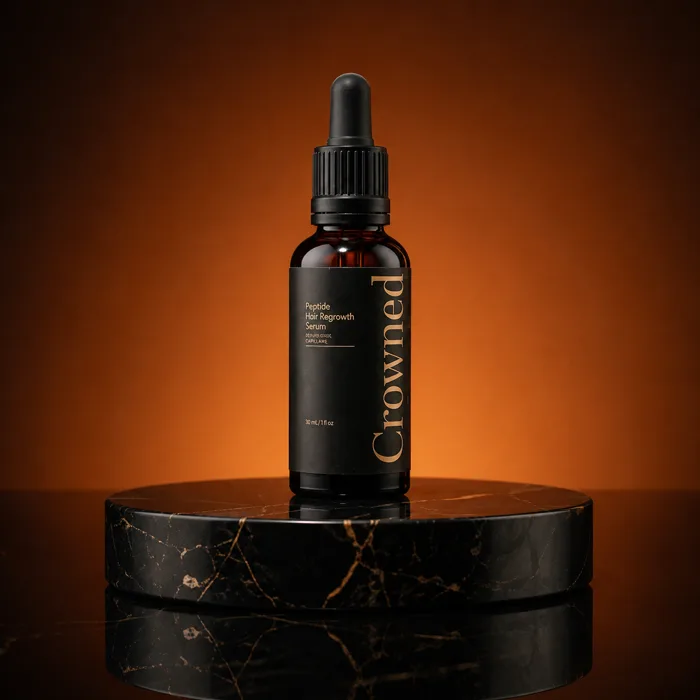
Crowned is relevant as a hair, skin, and nail support formula designed to address nutritional gaps that may contribute to hair thinning, offering a supportive option for those seeking to promote healthier hair growth.
- Buy 3, Get 3 Free — Lowest Price Ever$19.99/bottle
- Buy 2, Get 2 Free — Most Popular$27.49/bottle
- Buy 1, Get 1 Free$44.75/bottle
We may earn a commission at no extra cost to you.
What a Hair Support Supplement Can and Cannot Do
It's crucial to have realistic expectations when considering supplements for hair thinning. They are not magic pills, but they can play a supportive role.
- Can Help Support: Stronger hair strands, reduced breakage, healthier scalp environment, and potentially improved hair texture by addressing nutritional gaps.
- Cannot Cure: Baldness, genetic hair loss, or significant hair loss caused by medical conditions. They don't regrow hair from completely inactive follicles. They also cannot replace medical treatments prescribed by a doctor for diagnosed conditions.
Making the Decision: Is it 'Worth It' For You?
Ultimately, whether addressing hair thinning is 'worth it' is a personal decision. If your thinning hair is causing you distress, impacting your self-esteem, or if it's sudden and unexplained, then it's absolutely worth investigating and taking action. For many, simply understanding the causes and implementing some lifestyle changes can bring peace of mind and noticeable improvements.
The journey to healthier hair is often a combination of good nutrition, stress management, gentle care, and sometimes, targeted support through supplements or medical advice. There's no single solution, but by understanding your options, you can choose the path that feels right for you.