 Wellness Review Labs
 By
By 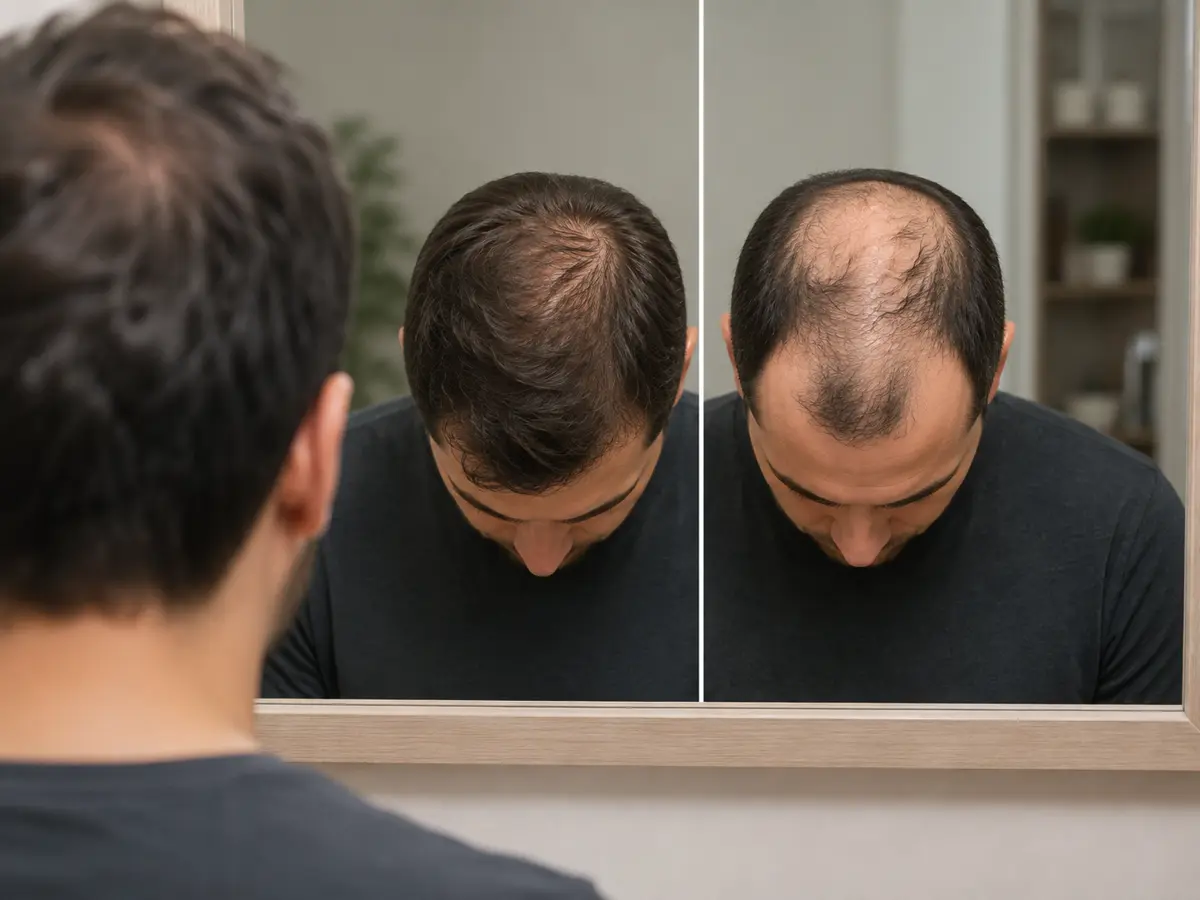
When you look in the mirror or see more hair than usual on your pillow, it's natural to feel a bit of worry. Many people use the terms 'thinning hair' and 'balding' interchangeably, but they often refer to different stages or patterns of hair loss. Understanding which one you're experiencing can be the first step toward finding solutions that work for you.
Thinning Hair: A Gradual Reduction in Density
Thinning hair typically refers to a decrease in the overall density of your hair. You might notice your ponytail feels smaller, your part looks wider, or your scalp becomes more visible, especially under bright lights. The hair strands themselves might also become finer and weaker over time. This process is usually gradual and can affect the entire scalp or specific areas without leading to complete baldness.
- Wider Part: One of the most common signs, especially for women, is a widening of the part line.
- Smaller Ponytail: Your hair might feel less substantial when gathered.
- Increased Scalp Visibility: Your scalp becomes more noticeable through your hair.
- Finer Strands: Individual hairs may feel thinner and more delicate.
Thinning hair can be a natural part of aging, as hair follicles naturally produce finer hairs over time. However, it can also be influenced by other factors that disrupt the hair growth cycle.
Balding: More Localized and Often Progressive Loss
Balding, on the other hand, often implies a more significant and localized loss of hair, frequently leading to completely bare patches of scalp. This is commonly associated with pattern baldness, which has distinct patterns.
- Receding Hairline: For men, this often starts at the temples, moving backward to form an 'M' shape.
- Crown Thinning: Hair loss on the top of the head, often starting as a circular patch.
- Diffuse Thinning Leading to Baldness: While women generally experience overall thinning, in some cases, this can become severe enough to be considered balding, though complete baldness is less common than in men.
- Patchy Hair Loss: Sudden, often circular bald spots can indicate conditions like alopecia areata.
The key distinction here is the presence of truly bald or nearly bald areas, rather than just a reduction in density across the scalp.
Common Causes Behind Hair Changes
Whether you're experiencing thinning or balding, many underlying factors can contribute. Understanding these can help you pinpoint potential areas to address.
- Genetics (Androgenetic Alopecia): This is the most common cause for both men and women. If your parents or grandparents experienced hair loss, you're more likely to as well. It's often called male or female pattern baldness.
- Hormonal Changes: Fluctuations in hormones, such as those during pregnancy, childbirth, menopause, or thyroid problems, can significantly impact hair growth. DHT (dihydrotestosterone) is a hormone linked to hair follicle shrinkage in pattern baldness.
- Aging: As we get older, hair growth naturally slows down, and hair follicles can become less active, leading to finer, less dense hair.
- Stress: Significant physical or emotional stress can push a large number of hair follicles into a resting phase (telogen effluvium), leading to widespread shedding several months later.
- Nutritional Deficiencies: A lack of essential vitamins and minerals like iron, zinc, biotin, and vitamins D and B can impact hair health and growth.
- Medical Conditions and Medications: Certain autoimmune diseases, scalp infections, and medications for conditions like cancer, arthritis, depression, and high blood pressure can cause hair loss.
- Harsh Hair Care: Over-styling, tight hairstyles, excessive heat, and chemical treatments can damage hair shafts and follicles, leading to breakage and thinning.
What You Can Do to Support Hair Health
Regardless of whether you're dealing with thinning or balding, there are often steps you can take to support your hair's health and appearance. While you can't always reverse genetic patterns, you can often mitigate other factors.
- Gentle Hair Care: Avoid aggressive brushing, tight hairstyles, and excessive heat styling. Use mild shampoos and conditioners.
- Balanced Nutrition: Ensure your diet is rich in protein, iron, zinc, and B vitamins. Consider a multivitamin if your diet is lacking, but always discuss with a healthcare provider first.
- Stress Management: Practice relaxation techniques like yoga, meditation, or spending time in nature to reduce stress levels.
- Address Underlying Health Issues: If you suspect hormonal imbalances or nutritional deficiencies, consult your doctor for diagnosis and treatment.
- Topical Treatments: Over-the-counter options like minoxidil can help stimulate hair growth and slow hair loss for some individuals.
- Supplements: Certain supplements are designed to provide nutrients that support hair follicle health and growth. These often include ingredients like biotin, collagen, and specific vitamins and minerals.
When considering supplements, it's helpful to look for options that focus on overall hair health rather than making broad claims about reversing baldness. A product like Crowned, for example, is formulated with ingredients that help support the structural integrity of hair, skin, and nails by providing key nutrients.
The Verdict
Based on the information available, Crowned may be worth considering for individuals experiencing early signs of hair thinning who are looking for a supplement designed to support overall hair health. It is not a solution for advanced balding or a replacement for medical treatment.
Who This Is For — And Who It Is Not
- Individuals noticing early, mild hair thinning.
- Those seeking a supplement to support existing hair health.
- People looking for a non-prescription option to try.
- Consumers who appreciate a money-back guarantee.
- Anyone experiencing significant hair loss or balding, which requires professional medical evaluation.
- Individuals expecting rapid or dramatic hair regrowth.
- Those with underlying medical conditions contributing to hair loss, who should consult a doctor.
- People who are currently on prescription medication for hair loss or other conditions.
What We Could Not Verify
We say this plainly because most pages in this category do not. Here is what we could not independently confirm about Crowned:
- The specific ingredients and their dosages within the product.
- The scientific studies, if any, supporting the product's claims.
- The manufacturing processes and quality control standards.
- The typical timeline for observing any potential benefits.
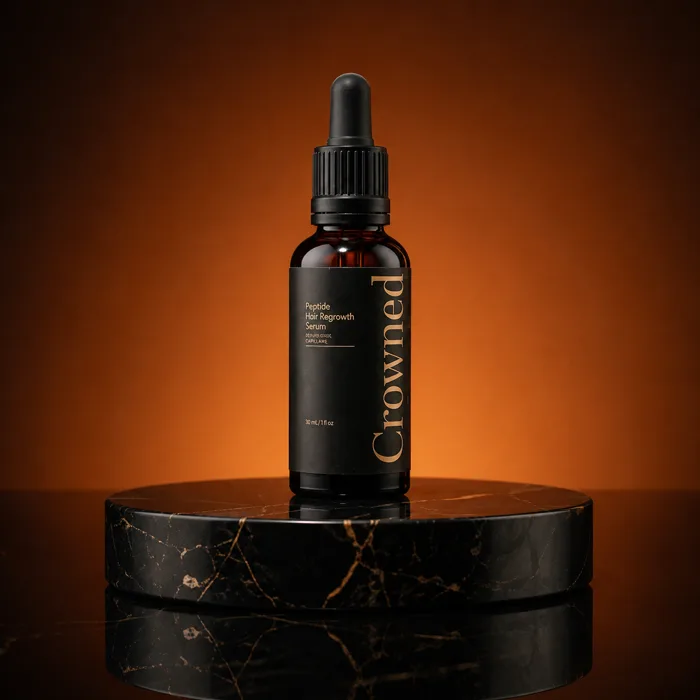
Crowned is relevant because it helps support hair health and strength, which can be beneficial whether someone is experiencing general thinning or looking to support existing hair follicles when balding begins.
- Buy 3, Get 3 Free — Lowest Price Ever$19.99/bottle
- Buy 2, Get 2 Free — Most Popular$27.49/bottle
- Buy 1, Get 1 Free$44.75/bottle
We may earn a commission at no extra cost to you.
When to See a Doctor
While some hair thinning is a normal part of life, it's important to know when to seek professional medical advice. A doctor, dermatologist, or trichologist can help diagnose the specific cause of your hair loss and recommend appropriate treatments.
- If your hair loss is sudden or severe.
- If you develop bald patches.
- If your scalp is itchy, painful, red, or scaly.
- If you are experiencing other symptoms like fatigue, weight changes, or unusual hair growth elsewhere on your body.
- If you are concerned about hair loss affecting your emotional well-being.
Early diagnosis can sometimes lead to more effective management, especially for conditions that are treatable.
"I started noticing my part getting wider, and it really bothered me. Learning about the differences between thinning and balding helped me understand what was happening and gave me a starting point to talk to my doctor."— Wellness Review Labs Reader
The Takeaway
Whether you're experiencing general thinning or more distinct balding, recognizing the signs and understanding the potential causes is the first step. Many factors contribute to hair health, and by addressing lifestyle, nutrition, and seeking professional advice when needed, you can actively support your hair's vitality. Remember, healthy hair often reflects overall well-being, so focusing on your general health can have positive ripple effects on your locks.