 Wellness Review Labs
 By
By 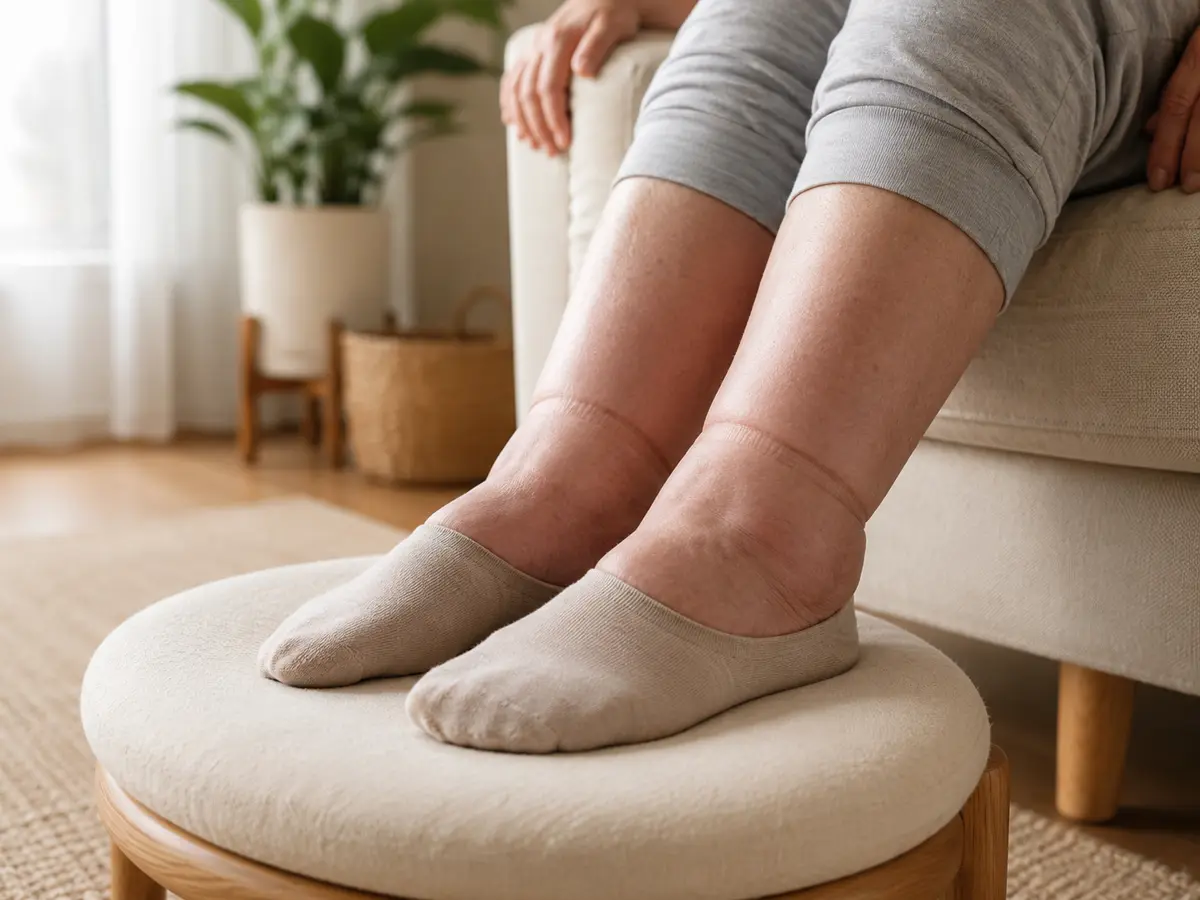
Swollen feet, medically known as peripheral edema, happen when fluid accumulates in the tissues of your feet and ankles. It's a common complaint, especially as we get older, and can range from a minor annoyance to a sign of something more serious. The good news is that for many, simple lifestyle changes and home remedies can make a big difference.
What Causes Swollen Feet?
Understanding why your feet are swelling is the first step toward finding the best treatment. Here are some of the most common culprits:
- Long periods of inactivity: Sitting or standing for too long can cause fluid to pool in your lower extremities. Gravity plays a significant role here.
- Dietary factors: A diet high in sodium can lead to fluid retention throughout your body, including your feet.
- Hot weather: Heat can cause blood vessels to expand, making it easier for fluid to leak into surrounding tissues.
- Pregnancy: The body produces more blood and fluid during pregnancy, and the growing uterus can put pressure on veins, leading to swelling.
- Medications: Certain prescription drugs, such as some blood pressure medications, NSAIDs, steroids, and hormone therapies, can cause swelling as a side effect.
- Vein problems: Conditions like chronic venous insufficiency, where the leg veins struggle to pump blood back to the heart, can cause fluid buildup.
- Lymphatic system issues: The lymphatic system helps drain excess fluid from tissues. If it's not working efficiently, fluid can accumulate, leading to lymphedema.
- Underlying health conditions: More serious causes can include heart failure, kidney disease, liver disease, or thyroid problems. These conditions affect the body's ability to circulate fluids or manage fluid balance.
Immediate Relief and At-Home Strategies
For many cases of swollen feet, especially those without serious underlying causes, you can find significant relief with simple actions right at home. These strategies aim to improve circulation and reduce fluid retention.
- Elevation: Lie down and raise your feet above the level of your heart for 15-20 minutes, several times a day. You can use pillows to prop them up.
- Movement: Don't sit or stand still for extended periods. If you have a desk job, take short breaks to walk around. If you're standing, shift your weight and move your legs.
- Compression Socks: These specially designed socks apply gentle pressure to your legs and ankles, helping to prevent fluid buildup. They come in various compression levels, so it's a good idea to talk to a pharmacist or doctor about the right type for you.
- Hydration: While it might seem counterintuitive, drinking plenty of water actually helps your body flush out excess sodium and prevents fluid retention.
- Reduce Sodium Intake: Limit processed foods, canned goods, and salty snacks. Cooking at home allows you to control the amount of salt in your meals.
- Gentle Exercise: Walking, swimming, or cycling can improve circulation and reduce swelling. Even simple foot and ankle exercises, like rotating your ankles or wiggling your toes, can help.
- Massage: Gently massaging your feet and ankles towards your heart can help move accumulated fluid. This is especially helpful if you have a partner who can assist.
- Maintain a Healthy Weight: Excess weight can put additional strain on your circulatory system, contributing to swelling.
When to See a Doctor
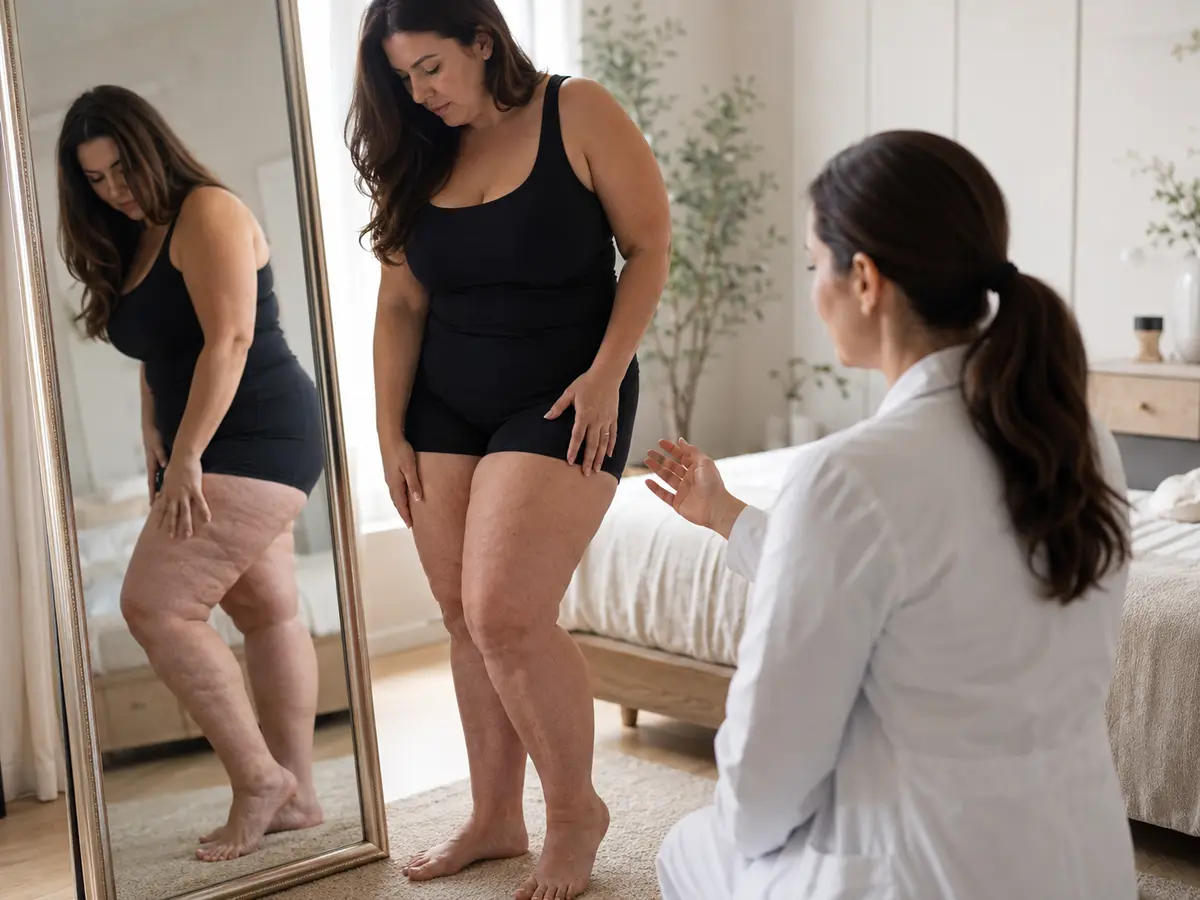
While many cases of swollen feet are benign, it's crucial to know when to seek professional medical advice. Consult your doctor if you experience any of the following:
- Sudden or severe swelling, especially in only one leg.
- Swelling accompanied by pain, redness, or warmth to the touch.
- Swelling that doesn't improve with home remedies.
- Swelling along with shortness of breath, chest pain, or dizziness.
- A history of heart, kidney, or liver disease, and new or worsening swelling.
- Skin that looks stretched or shiny, or if pressing on it leaves a dimple that lasts for a while (pitting edema).
Supporting Your Body's Natural Fluid Balance
Beyond immediate relief, long-term strategies for managing swollen feet often involve supporting your body's natural processes for fluid balance and circulation. This includes a healthy diet, regular movement, and sometimes, specific supplements designed to assist these functions.
Certain plant-based ingredients have been traditionally used and are being studied for their potential to support lymphatic drainage and reduce fluid retention. These often work by helping to strengthen blood vessel walls, reduce inflammation, or act as mild natural diuretics.
For those looking for additional support, products like Linfaflow, a plant-based liquid drop supplement, are designed to promote healthy lymphatic function. It contains ingredients chosen for their traditional use in supporting circulation and fluid balance. While it's not a cure for underlying medical conditions, it may help support your body's natural ability to manage fluid, especially when combined with the lifestyle changes mentioned above.
The Verdict
Based on our review, Linfaflow may be a worthwhile consideration for individuals experiencing mild, temporary swelling in their feet, particularly if they are looking for a natural approach to support lymphatic function. Its 90-day money-back guarantee offers a low-risk way to assess its potential benefits for your specific situation.
Who This Is For — And Who It Is Not
- Individuals with occasional or mild foot swelling, not linked to a medical condition.
- Those seeking a supplement to support their body's natural lymphatic drainage.
- People interested in a product with a generous refund policy to try it out.
- Anyone experiencing severe, persistent, or sudden foot swelling, which requires immediate medical attention.
- Individuals with underlying medical conditions known to cause swelling, such as heart, kidney, or liver disease, or those on prescription medications.
- Those expecting rapid or dramatic changes in swelling levels.
- Anyone considering this as a replacement for prescribed treatments or medical advice for swelling.
What We Could Not Verify
We say this plainly because most pages in this category do not. Here is what we could not independently confirm about Linfaflow:
- The specific ingredients or proprietary blend used in Linfaflow.
- Independent clinical trials directly supporting Linfaflow's efficacy for foot swelling.
- The exact mechanism by which Linfaflow supports lymphatic function, beyond general claims.

Linfaflow is relevant as a plant-based liquid drop supplement designed to promote healthy lymphatic function, which can be a contributing factor to swollen feet.
- Buy 3, Get 3 Free — Lowest Price Ever$19.99/bottle
- Buy 2, Get 2 Free — Most Popular$29.99/bottle
- Buy 1, Get 1 Free$34.75/bottle
We may earn a commission at no extra cost to you.
Diet and Lifestyle Adjustments for Long-Term Relief
Making conscious choices about what you eat and how you live can have a profound impact on managing swollen feet over time.
- Balanced Diet: Focus on whole, unprocessed foods. Incorporate plenty of fruits, vegetables, and lean proteins. These foods provide essential nutrients and often have natural diuretic properties.
- Potassium-Rich Foods: Foods like bananas, spinach, avocados, and sweet potatoes can help balance sodium levels in your body, which in turn can reduce fluid retention.
- Regular Exercise: Aim for at least 30 minutes of moderate-intensity exercise most days of the week. This keeps your blood circulating and prevents fluid from settling.
- Comfortable Footwear: Avoid tight shoes or high heels, which can restrict circulation. Opt for supportive, well-fitting shoes.
- Avoid Prolonged Standing or Sitting: If your job requires it, take frequent breaks to move around, stretch, or elevate your feet briefly.
"Small changes in daily habits, like taking short walking breaks or elevating your legs in the evening, can often provide noticeable relief for mild foot swelling."— Wellness Review Labs Editor
Managing swollen feet is often a multi-faceted approach. By understanding the causes and consistently applying these strategies, you can significantly reduce discomfort and improve your overall quality of life. Remember, consistency is key, and listening to your body's signals is paramount.