 Wellness Review Labs
 By
By 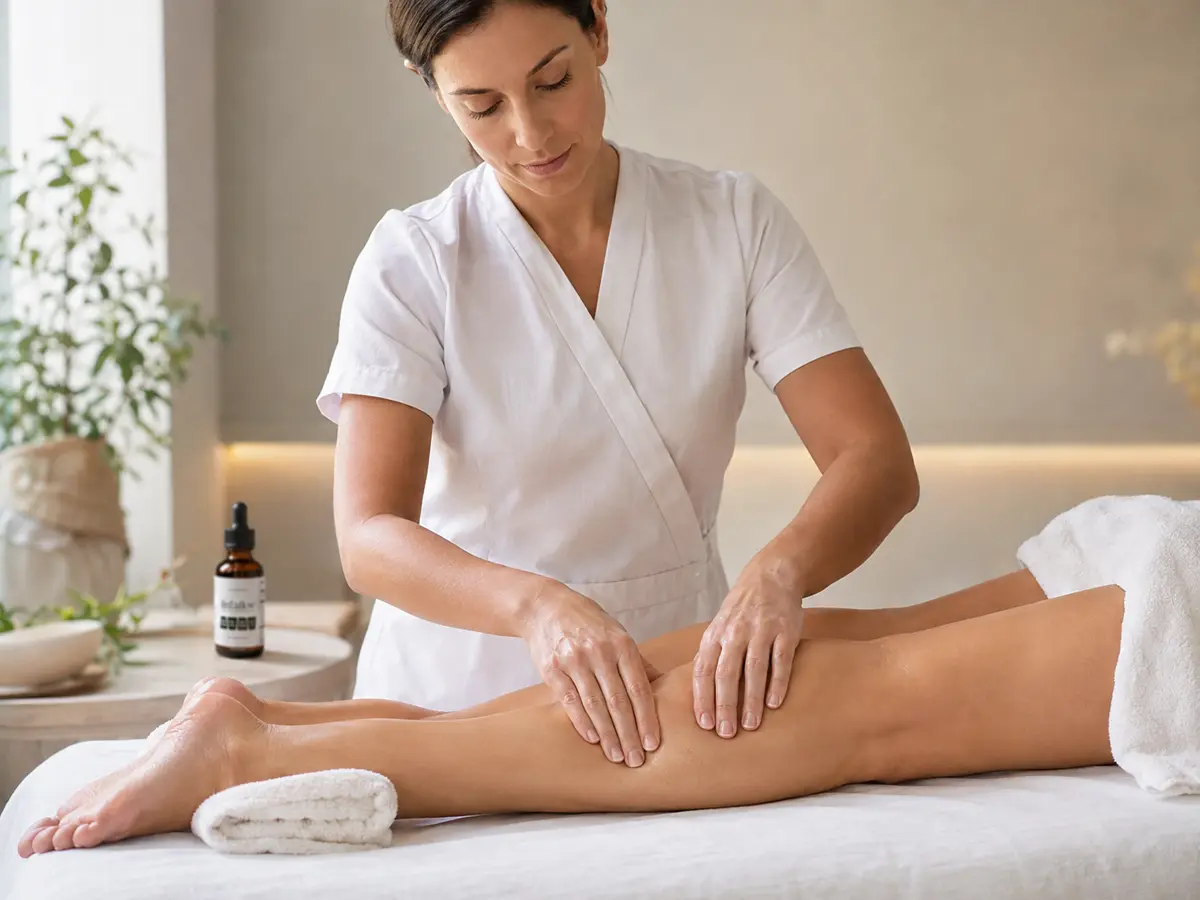
When you're focused on improving your health with a new medication like Zepbound, unexpected side effects can be unsettling. Swelling in the feet and ankles, medically known as peripheral edema, is a common complaint that can arise for a variety of reasons, and it's understandable to wonder if your new medication is playing a role.
While Zepbound (tirzepatide) is not commonly listed with peripheral edema as a frequent or primary side effect in clinical trials, it doesn't mean there isn't a connection. Sometimes, changes in your body, whether from the medication itself or the process of weight loss, can influence fluid balance. It's crucial to understand the potential mechanisms at play and how to address this discomfort effectively.
What is Edema and Why Does It Happen?
Edema refers to swelling caused by excess fluid trapped in your body's tissues. While it can affect any part of the body, it's most noticeable in the feet, ankles, and legs because of gravity. This fluid buildup can make your skin look stretched or shiny, and if you press on it, it might leave a temporary indentation.
Several factors can contribute to edema:
- Gravity: Standing or sitting for long periods allows fluid to pool in the lower extremities.
- Dietary Habits: High sodium intake can cause your body to retain water.
- Dehydration: Ironically, not drinking enough water can sometimes lead the body to hold onto fluids.
- Medications: Many prescription and over-the-counter drugs can cause fluid retention as a side effect.
- Underlying Health Conditions: Issues with the heart, kidneys, liver, or thyroid can all manifest as swelling.
- Lymphatic System Issues: A sluggish or impaired lymphatic system can struggle to drain excess fluid and waste from tissues.
Could Zepbound Be Contributing to Swollen Feet?
While Zepbound's primary action is to help regulate blood sugar and reduce appetite, leading to weight loss, any significant change in your body can have ripple effects. Here’s how Zepbound or related factors might be involved:
- Rapid Weight Loss: Losing weight, especially quickly, can sometimes alter fluid dynamics in the body. As fat cells shrink, they release water, and your body's overall fluid balance can shift.
- Changes in Blood Pressure: Zepbound can sometimes influence blood pressure. Fluctuations, particularly if blood pressure drops too low, could theoretically affect fluid distribution.
- Kidney Function: The kidneys play a critical role in fluid balance. While Zepbound is generally considered safe for kidney function, any new medication requires your kidneys to process it, and in some individuals, this could have a minor impact.
- Dietary Changes: As you adjust your diet with Zepbound, you might inadvertently consume more or less sodium, or change your fluid intake, which can impact swelling.
- Increased Activity: If Zepbound is helping you become more active, initial increases in exercise can sometimes cause temporary muscle swelling or fluid retention, especially if you're not used to it.
It's important to remember that these are potential links or indirect effects. If you're concerned, always discuss it with your healthcare provider who can evaluate your specific situation.
What Can You Do About Swollen Feet?
For mild to moderate swelling, several home strategies can often provide relief and help manage fluid retention. These approaches are beneficial whether or not your Zepbound medication is a direct cause.
- Elevate Your Legs: Whenever possible, raise your feet above the level of your heart for 15-30 minutes several times a day. This uses gravity to help drain fluid.
- Stay Active: Regular, gentle movement like walking can help pump fluid out of your legs. Avoid prolonged standing or sitting.
- Hydrate Adequately: Drink plenty of water throughout the day. This helps your kidneys function properly and signals to your body that it doesn't need to hold onto fluid.
- Reduce Sodium Intake: Limit processed foods, canned goods, and salty snacks. Reading food labels can help you identify hidden sodium.
- Wear Compression Stockings: These can help prevent fluid from pooling in your lower legs and ankles. Your doctor can recommend the right type and compression level.
- Massage: Gently massaging the affected area towards your heart can help move fluid.
- Loose Clothing: Avoid tight clothing or shoes that can restrict circulation and worsen swelling.
"Staying hydrated and moving regularly are two of the simplest yet most effective ways to combat everyday fluid retention. Many people overlook these basics."— A primary care physician
Supporting Your Lymphatic System: A Natural Approach
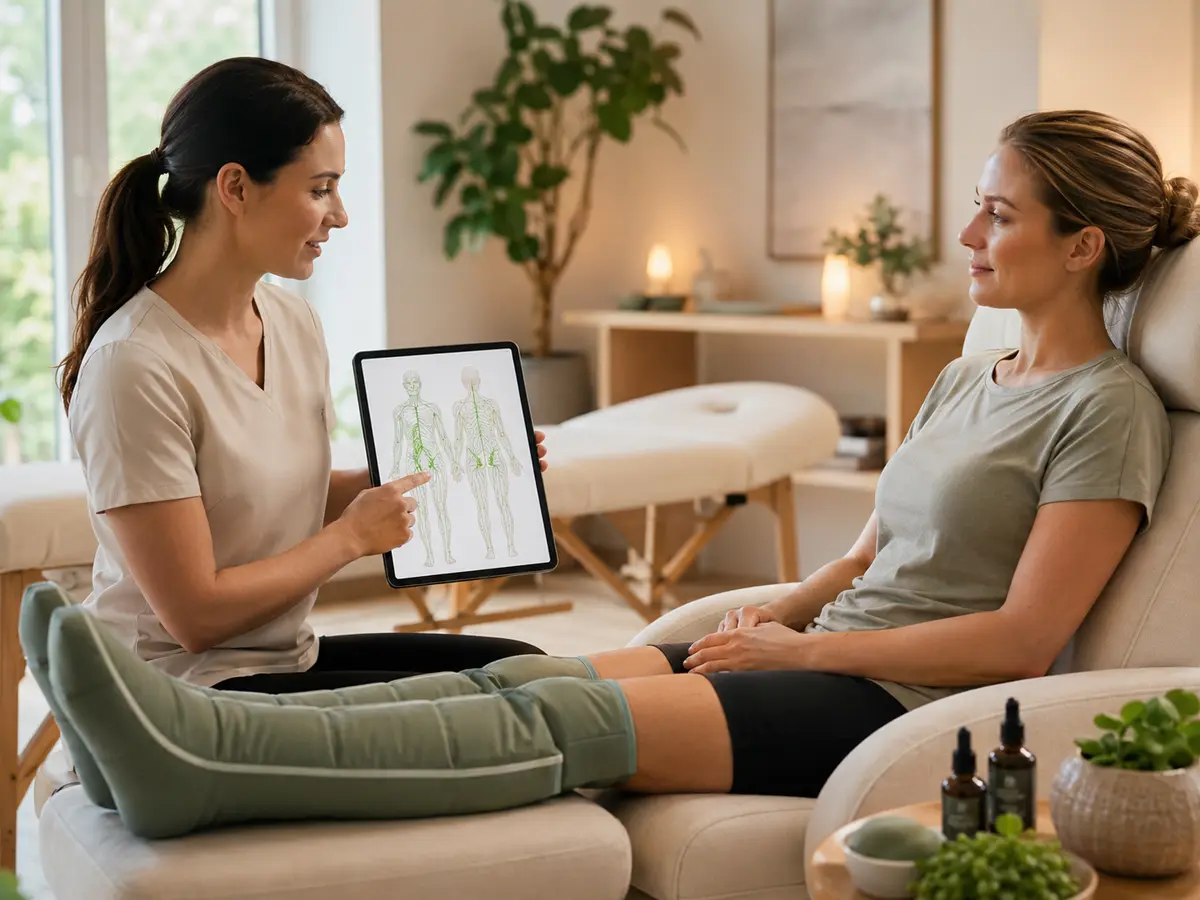
Beyond these immediate relief strategies, considering the health of your lymphatic system can be beneficial. The lymphatic system is a crucial part of your immune system and circulatory system, responsible for collecting and filtering excess fluid, waste products, and toxins from your tissues. When it's not working optimally, fluid can build up, leading to swelling.
A well-functioning lymphatic system is key to managing fluid balance. Lifestyle factors like regular exercise, deep breathing, and hydration all support its function. Some individuals also explore natural supplements designed to assist lymphatic drainage and reduce fluid retention.
For those seeking additional support, plant-based lymphatic support drops like Linfaflow may be an option. Linfaflow is formulated with ingredients traditionally used to support lymphatic circulation and healthy fluid balance. It's designed to complement your body's natural processes, helping to encourage the movement of lymph fluid and potentially ease the discomfort associated with mild swelling. It is not a medication and does not treat, cure, or prevent any disease, nor is it a substitute for medical advice or treatment for conditions like lymphedema.
It works by providing a blend of botanicals that are thought to have diuretic and lymphatic-supportive properties. While it may help support your body's natural ability to manage fluid, it's important to understand that it's one tool among many. It won't replace the need for hydration, movement, or medical evaluation if your swelling is severe or persistent.

Linfaflow is introduced as a plant-based liquid drop option that may help support the lymphatic system and healthy fluid balance, offering a natural approach to complement other strategies for managing mild swelling.
- Buy 3, Get 3 Free — Lowest Price Ever$19.99/bottle
- Buy 2, Get 2 Free — Most Popular$29.99/bottle
- Buy 1, Get 1 Free$34.75/bottle
We may earn a commission at no extra cost to you.
When to See a Doctor
While mild swelling can often be managed at home, there are times when it's crucial to seek medical attention. Don't hesitate to contact your doctor if you experience any of the following:
- Sudden, severe swelling: Especially if it occurs rapidly.
- Swelling in only one leg or arm: This could indicate a blood clot, which requires immediate medical attention.
- Pain, redness, or warmth: These symptoms could signal an infection or inflammation.
- Shortness of breath or chest pain: Swelling accompanied by these symptoms could point to a serious heart or lung issue.
- Skin changes: Such as skin that looks stretched, shiny, or breaks open.
- Swelling that doesn't improve: If home remedies don't help after a few days, or if the swelling worsens.
- New or worsening swelling after starting Zepbound: It's important to let your prescribing doctor know about any new side effects.
Your doctor can help determine the cause of your swelling, rule out more serious conditions, and adjust your treatment plan if necessary. They may also recommend specific diagnostic tests to get a clearer picture.
Long-Term Management and Prevention
Managing swollen feet, especially while on a medication like Zepbound, often comes down to a holistic approach. Beyond addressing immediate symptoms, consider these long-term strategies:
- Balanced Diet: Focus on whole, unprocessed foods. Incorporate potassium-rich foods like bananas, spinach, and sweet potatoes, which can help balance sodium levels.
- Regular Exercise: Aim for at least 30 minutes of moderate-intensity exercise most days of the week. This helps circulation and lymphatic flow.
- Maintain a Healthy Weight: Continuing to work towards your weight management goals with Zepbound can reduce strain on your circulatory and lymphatic systems.
- Monitor Your Body: Pay attention to how your body reacts to different foods, activities, and medication. Keeping a journal can help you identify patterns.
- Regular Check-ups: Ongoing communication with your healthcare provider is essential, especially when taking new medications or experiencing persistent symptoms.
Swollen feet can be an uncomfortable and sometimes concerning symptom. By understanding the potential causes, implementing effective home remedies, and knowing when to seek professional medical advice, you can take proactive steps to manage this issue while continuing your health journey with Zepbound.