 Wellness Review Labs
 By
By 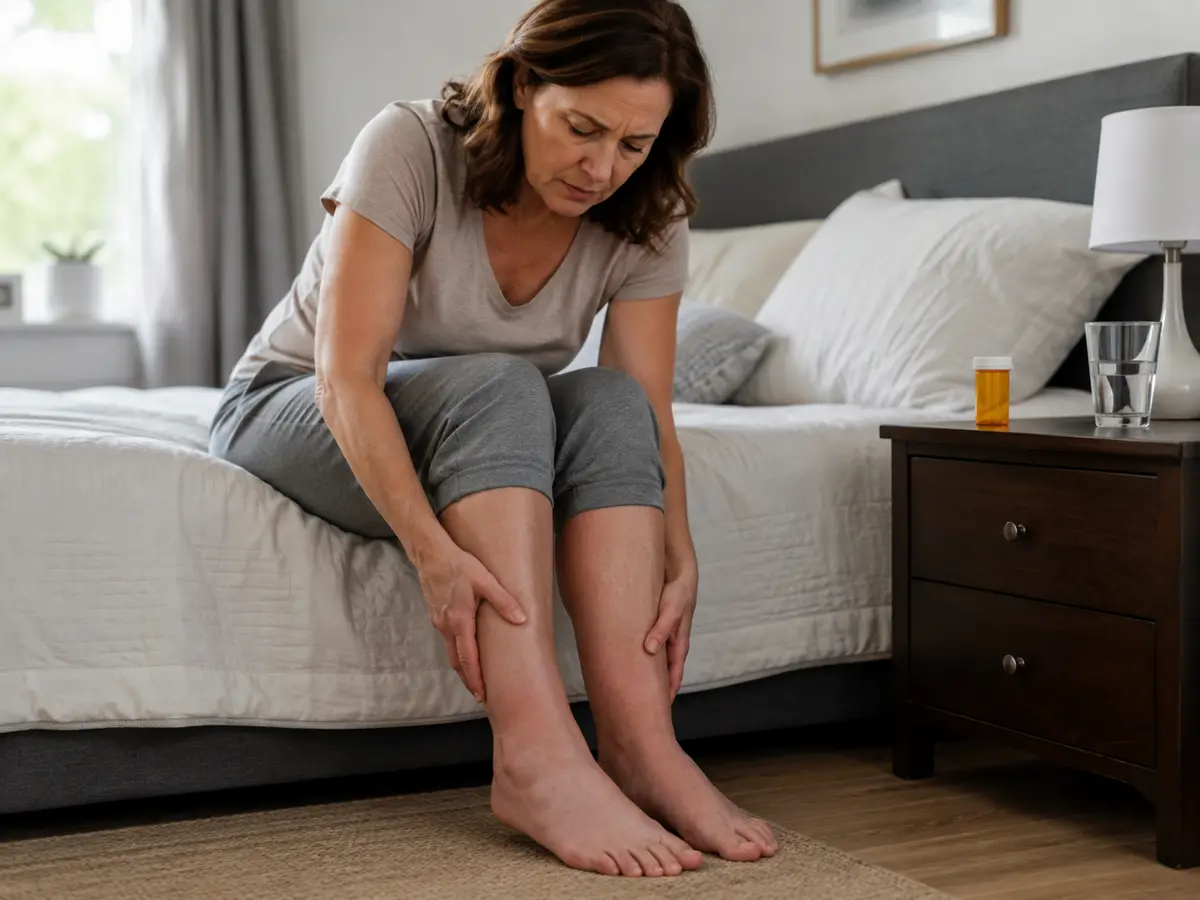
The short answer is: yes, for many people, lymphatic drainage can be worth it, particularly if you're dealing with specific types of swelling or looking to support your body's natural detoxification processes. However, its effectiveness largely depends on the cause of your symptoms and the method you choose. It's not a one-size-fits-all solution, but a valuable tool when understood and applied correctly.
What Exactly Is Your Lymphatic System?
Think of your lymphatic system as your body’s internal cleaning crew and immune defense network, working alongside your circulatory system. While your blood vessels deliver nutrients and oxygen, your lymphatic system collects waste products, excess fluid, and toxins from your tissues. It's a complex network of vessels, nodes, and organs (like your tonsils, spleen, and thymus) that plays a critical role in:
- Fluid Balance: It collects and returns excess fluid (lymph) from your tissues back to your bloodstream, preventing swelling.
- Immune Function: Lymph nodes filter lymph, trapping bacteria, viruses, and other foreign substances, which helps fight infection.
- Fat Absorption: It absorbs and transports fatty acids and fat-soluble vitamins from the digestive system.
Unlike your circulatory system, which has the heart to pump blood, your lymphatic system doesn't have a central pump. Instead, it relies on muscle contractions, breathing, and movement to push lymph fluid through its vessels. When this system becomes sluggish or overloaded, fluid can build up, leading to swelling, discomfort, and a feeling of malaise.
Common Causes of Lymphatic Congestion and Swelling
Many everyday factors can contribute to a slow or overloaded lymphatic system. Recognizing these can help you understand why you might be experiencing symptoms:
- Sedentary Lifestyle: Lack of movement means less muscle contraction to propel lymph fluid.
- Dehydration: Thickens lymph, making it harder to flow.
- Poor Diet: Diets high in processed foods, sugar, and unhealthy fats can contribute to systemic inflammation and fluid retention.
- Stress: Chronic stress can impact various bodily functions, including circulation and lymphatic flow.
- Tight Clothing: Can restrict lymphatic flow in certain areas.
- Aging: As we age, our bodily systems, including the lymphatic system, can become less efficient.
- Medical Conditions: Conditions like lymphedema (often post-surgery or radiation), venous insufficiency, or certain infections can directly impair lymphatic function.
If you’re experiencing persistent or severe swelling, especially if it’s sudden or accompanied by pain, redness, or warmth, it’s always important to consult with a healthcare professional to rule out underlying medical conditions.
What Actually Helps Support Lymphatic Drainage?
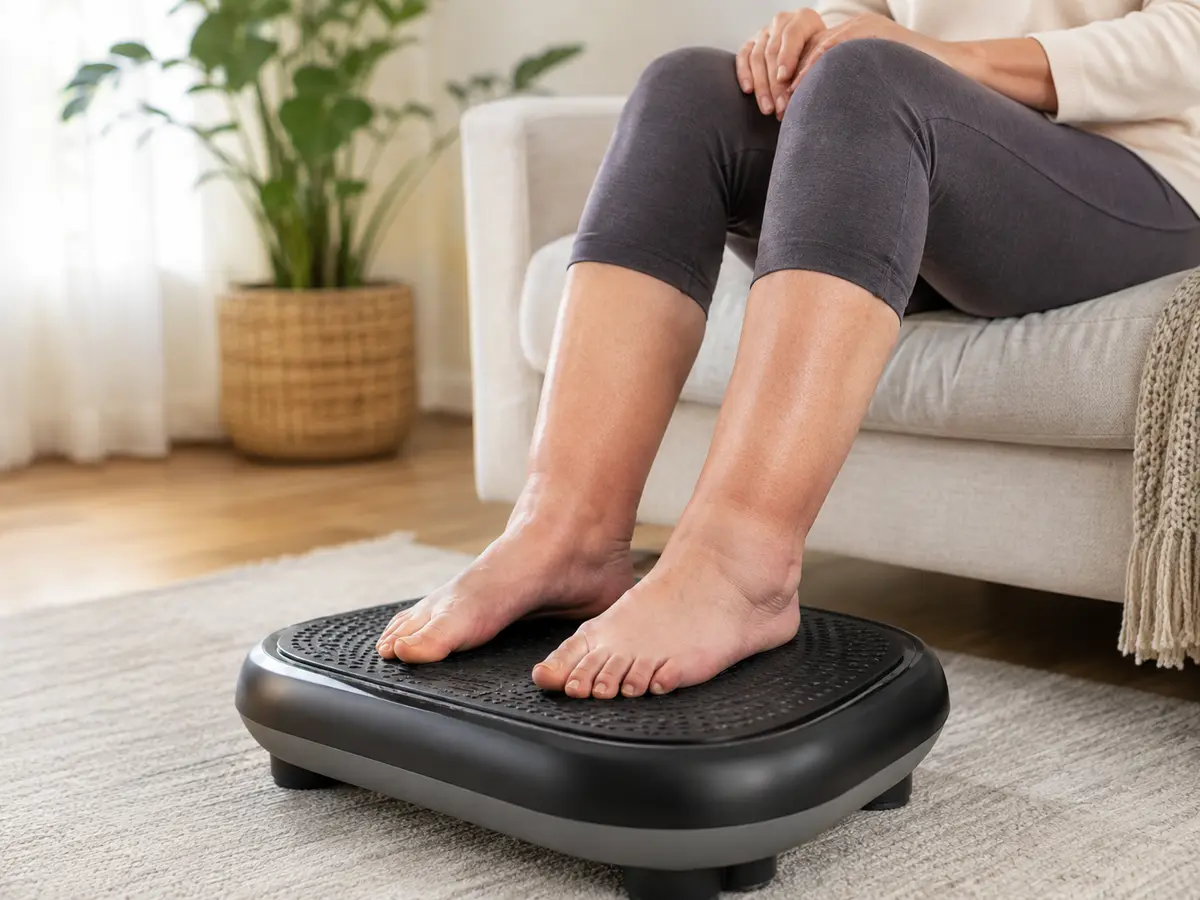
Supporting your lymphatic system doesn't always require an expensive clinic visit. Many simple, everyday practices can make a significant difference. Here are some of the most effective strategies:
- Stay Hydrated: Drinking plenty of water is fundamental. Aim for at least 8 glasses a day, and more if you're active or in a warm climate. This keeps your lymph fluid thin and flowing.
- Move Your Body: Regular physical activity is perhaps the most crucial factor. Walking, swimming, rebounding (jumping on a mini-trampoline), and yoga are all excellent. Even simple stretching can help.
- Deep Breathing: The diaphragm acts like a pump for lymphatic fluid. Practicing deep, diaphragmatic breathing can significantly improve flow.
- Dry Brushing: Using a natural bristle brush on dry skin, brushing towards your heart, can stimulate lymph flow and exfoliate the skin. Do this gently before showering.
- Manual Lymphatic Drainage (MLD) Massage: Performed by a trained therapist, this gentle, rhythmic massage technique helps move lymph fluid. It's especially recommended for conditions like lymphedema. You can also learn self-massage techniques.
- Compression Garments: For localized swelling, especially in the limbs, compression socks or sleeves can help prevent fluid accumulation.
- Elevate Limbs: If you have swelling in your legs or arms, elevating them above your heart can assist fluid drainage.
- Eat a Nutrient-Rich Diet: Focus on whole, unprocessed foods. Fruits, vegetables, and lean proteins provide antioxidants and nutrients that support overall cellular health and reduce inflammation, which can indirectly aid lymphatic function.
"I used to feel so heavy and sluggish, especially in my legs. Adding a daily walk and making sure I drink enough water made a noticeable difference. It's amazing how much the little things add up."— A Wellness Review Labs Reader
Exploring Supplements for Lymphatic Support
While lifestyle changes are paramount, some people find that certain plant-based supplements can offer additional support for lymphatic health. These are generally designed to complement healthy habits, not replace them.
It's important to remember that supplements are not a cure for medical conditions. They are intended to provide support for the body's natural processes. Linfaflow, for example, aims to assist your body in its efforts to maintain healthy fluid levels and lymphatic flow. It does not treat or prevent lymphedema or other severe medical conditions. Always discuss new supplements with your doctor, especially if you are taking other medications or have underlying health concerns.
The Verdict
Linfaflow is worth considering for individuals experiencing mild, temporary swelling and discomfort, particularly those looking for a natural approach to support lymphatic health. Its 90-day money-back guarantee offers a low-risk way to assess its potential benefits.
Who This Is For — And Who It Is Not
- Individuals with mild, occasional swelling or discomfort.
- Those interested in supporting overall lymphatic system function.
- People seeking a natural supplement for general wellness.
- Anyone wanting to try a product with a money-back guarantee.
- Anyone with severe, persistent, or unexplained swelling and discomfort.
- Individuals with underlying medical conditions causing lymphatic issues.
- Those expecting immediate or dramatic changes in their symptoms.
- People who need medical diagnosis, treatment, or prescription medication.
What We Could Not Verify
We say this plainly because most pages in this category do not. Here is what we could not independently confirm about Linfaflow:
- The specific ingredients and their dosages within the proprietary blend.
- The purity and potency of the ingredients used.
- Independent third-party testing results for contaminants or quality.
- The scientific research directly supporting the formula's efficacy.

Linfaflow offers a plant-based liquid drop solution designed to support the body's natural lymphatic function and fluid balance, complementing other lifestyle efforts discussed in the article.
- Buy 3, Get 3 Free — Lowest Price Ever$19.99/bottle
- Buy 2, Get 2 Free — Most Popular$29.99/bottle
- Buy 1, Get 1 Free$34.75/bottle
We may earn a commission at no extra cost to you.
When is Lymphatic Drainage Most Beneficial?
Lymphatic drainage, in its various forms, tends to be most beneficial for:
- Mild, Everyday Swelling: If you often experience puffy ankles, hands, or a general feeling of bloating, especially after long periods of sitting or standing.
- Post-Surgical Swelling: After certain surgeries, particularly cosmetic procedures like liposuction or mastectomies, manual lymphatic drainage can help reduce post-operative swelling and bruising, and may aid recovery.
- Lymphedema Management: For individuals diagnosed with lymphedema (a chronic swelling condition), specialized MLD from a certified therapist is a cornerstone of treatment.
- General Wellness and Detoxification: Many people use lymphatic support as part of a broader wellness routine to promote fluid balance and a sense of internal cleansing.
- Immune Support: A well-functioning lymphatic system is integral to a strong immune response, so supporting it can contribute to overall resilience.
Making an Informed Decision
Ultimately, whether lymphatic drainage is "worth it" for you depends on your individual needs and symptoms. For many, integrating simple lifestyle practices like regular movement, hydration, and mindful eating will provide significant benefits. For those with more persistent issues, or specific medical conditions, exploring manual lymphatic drainage with a professional or considering supportive supplements like Linfaflow might be a valuable next step.
The key is to listen to your body, make consistent healthy choices, and consult with healthcare providers when necessary to ensure you're addressing any underlying concerns appropriately. Supporting your lymphatic system is an investment in your overall health and well-being, helping you feel lighter, more energetic, and more comfortable in your own skin.