 Wellness Review Labs
 By
By 
When your feet swell, often called edema, it means fluid has built up in the tissues. This can happen for many reasons, from something as simple as standing all day to more complex health concerns. For a quick fix for mild, temporary swelling, try elevating your feet above your heart for 20-30 minutes, drinking a glass of water, and doing some gentle foot and ankle exercises. These actions can help get the fluid moving and reduce discomfort relatively quickly.
Why Do My Feet Swell? Common Causes Explained
Understanding why your feet are swelling is the first step toward finding relief. Often, it's not a sign of anything serious, but rather a response to daily activities or minor issues.
- Prolonged Standing or Sitting: Gravity naturally pulls fluid down to your feet and ankles, especially if you're on your feet for hours or sitting without much movement.
- Dietary Factors: Eating too much salt can cause your body to retain fluid, leading to swelling. Dehydration can also trick your body into holding onto water.
- Warm Weather: Heat can cause blood vessels to expand, making it easier for fluid to leak into surrounding tissues.
- Pregnancy: The body produces more blood and fluid during pregnancy, and the growing uterus can put pressure on veins, slowing blood return from the legs.
- Medications: Certain medications, including some blood pressure drugs, anti-inflammatory drugs, and hormone therapies, can have swelling as a side effect.
- Minor Injuries: A sprain or strain can cause localized swelling as part of the body's healing process.
- Poor Circulation: Conditions that affect blood flow, such as varicose veins, can make it harder for blood to return from the legs to the heart.
Immediate Steps for Relief: What You Can Do Right Now
If your swelling is mild and not accompanied by other concerning symptoms, there are several things you can try at home for relatively quick relief.
- Elevate Your Feet: Lie down and prop your feet up on pillows so they are above the level of your heart. Aim for 20-30 minutes. This uses gravity to help drain the fluid.
- Move Your Feet and Ankles: Gentle exercises like ankle rotations, pointing and flexing your toes, and wiggling your toes can help pump fluid out of your feet.
- Stay Hydrated: Drinking plenty of water can actually help your body release retained fluid. When you're dehydrated, your body tends to hold onto water.
- Wear Compression Stockings: If you have them, light compression stockings can provide gentle pressure that helps prevent fluid from pooling in your feet. Make sure they aren't too tight.
- Cool Compress: A cool, damp cloth on your swollen feet can sometimes provide comfort and help reduce inflammation.
- Reduce Salt Intake: If you suspect your diet is contributing, try to avoid high-sodium foods for a day or two and see if it makes a difference.
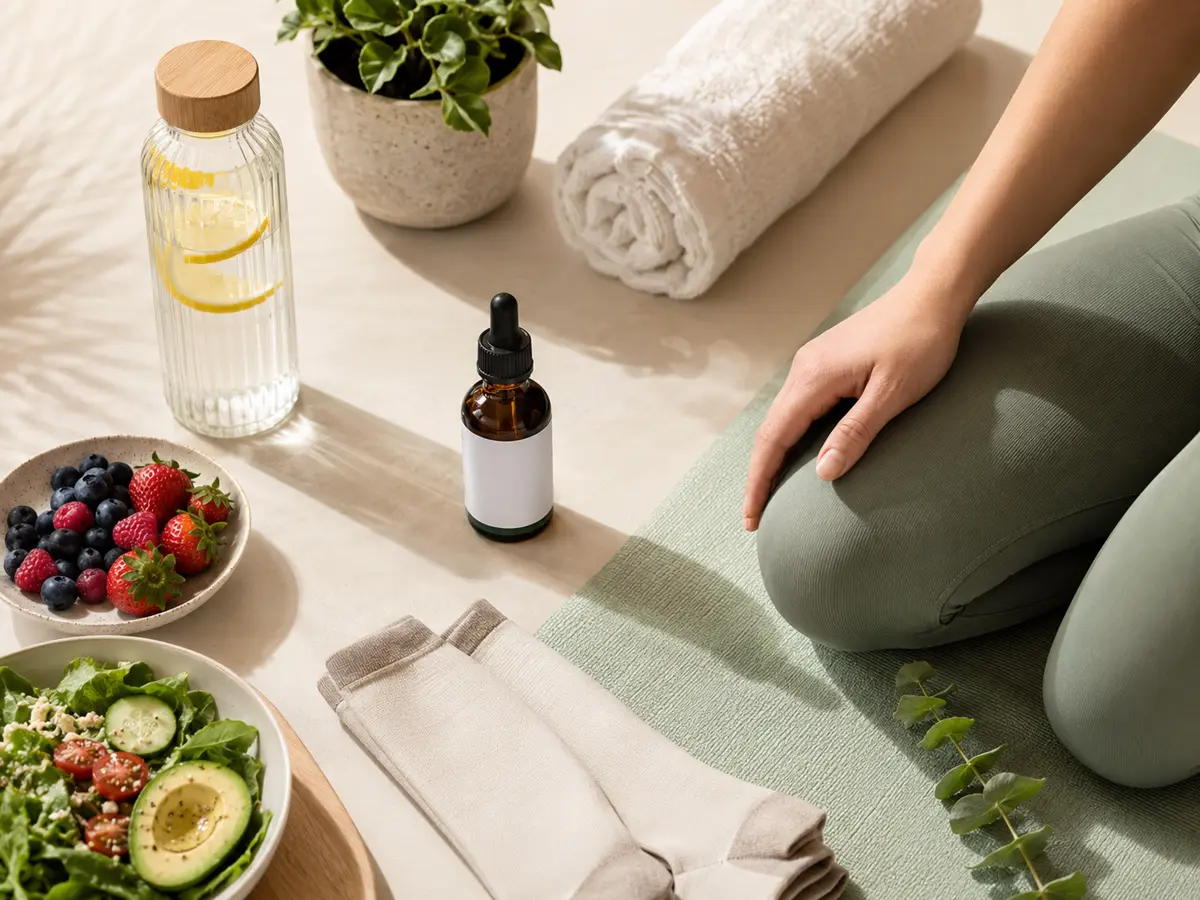
Beyond the Quick Fix: Long-Term Strategies for Managing Swelling
While quick fixes offer temporary relief, addressing the root causes and adopting healthier habits can help prevent swelling from recurring.
- Regular Physical Activity: Even moderate exercise, like walking, helps improve circulation and lymphatic flow, which are crucial for moving fluid out of your extremities.
- Maintain a Healthy Weight: Excess weight can put additional pressure on your circulatory system, contributing to swelling.
- Balanced Diet: Focus on whole foods, limit processed items, and be mindful of your sodium intake. Foods rich in potassium, like bananas and leafy greens, can help balance fluid levels.
- Avoid Prolonged Inactivity: If your job requires long periods of sitting or standing, take regular breaks to walk around, stretch, or elevate your feet.
- Comfortable Footwear: Choose shoes that fit well and don't constrict your feet or ankles. Avoid high heels for extended periods.
The Role of Lymphatic Support
Sometimes, swelling in the feet is related to how well your lymphatic system is working. The lymphatic system is a network of vessels and nodes that helps drain excess fluid, waste products, and toxins from your tissues. When this system isn't functioning optimally, fluid can build up, leading to swelling, often called lymphedema.
While a healthy lifestyle with movement and hydration is foundational, some people look for additional support for their lymphatic system. Certain plant-based ingredients are thought to help support lymphatic function and fluid balance.
For those seeking a complementary approach, products like Linfaflow are designed to promote healthy lymphatic drainage. Linfaflow is a plant-based liquid drop supplement that includes ingredients traditionally used to support fluid balance and circulation. It's not a quick fix for acute swelling, nor does it treat or cure any medical condition. Instead, it's intended to be a daily support for your body's natural systems, potentially helping with general fluid balance over time as part of a healthy routine. It's important to remember that supplements work differently for everyone, and consistent use over several weeks or months is usually needed to assess their effects.

Linfaflow offers a plant-based liquid drop solution designed to support healthy lymphatic drainage and fluid balance, which can be a factor in persistent foot swelling.
- Buy 3, Get 3 Free — Lowest Price Ever$19.99/bottle
- Buy 2, Get 2 Free — Most Popular$29.99/bottle
- Buy 1, Get 1 Free$34.75/bottle
We may earn a commission at no extra cost to you.
When to See a Doctor
While most cases of swollen feet are benign and respond to home remedies, it's crucial to know when swelling might indicate a more serious underlying health issue. You should consult a doctor if:
- The swelling occurs suddenly or severely.
- The swelling is only in one foot or leg and is accompanied by pain, redness, or warmth.
- You experience shortness of breath, chest pain, or dizziness along with the swelling.
- The swelling does not improve with home remedies or gets worse.
- You have a history of heart, kidney, or liver disease.
- The swelling is accompanied by skin changes, such as tightness or shiny skin.
- You have an open sore or ulcer on the swollen area.
Your doctor can help diagnose the cause of your swelling and recommend the appropriate course of action, which may include further tests or prescription medication.