 Wellness Review Labs
 By
By 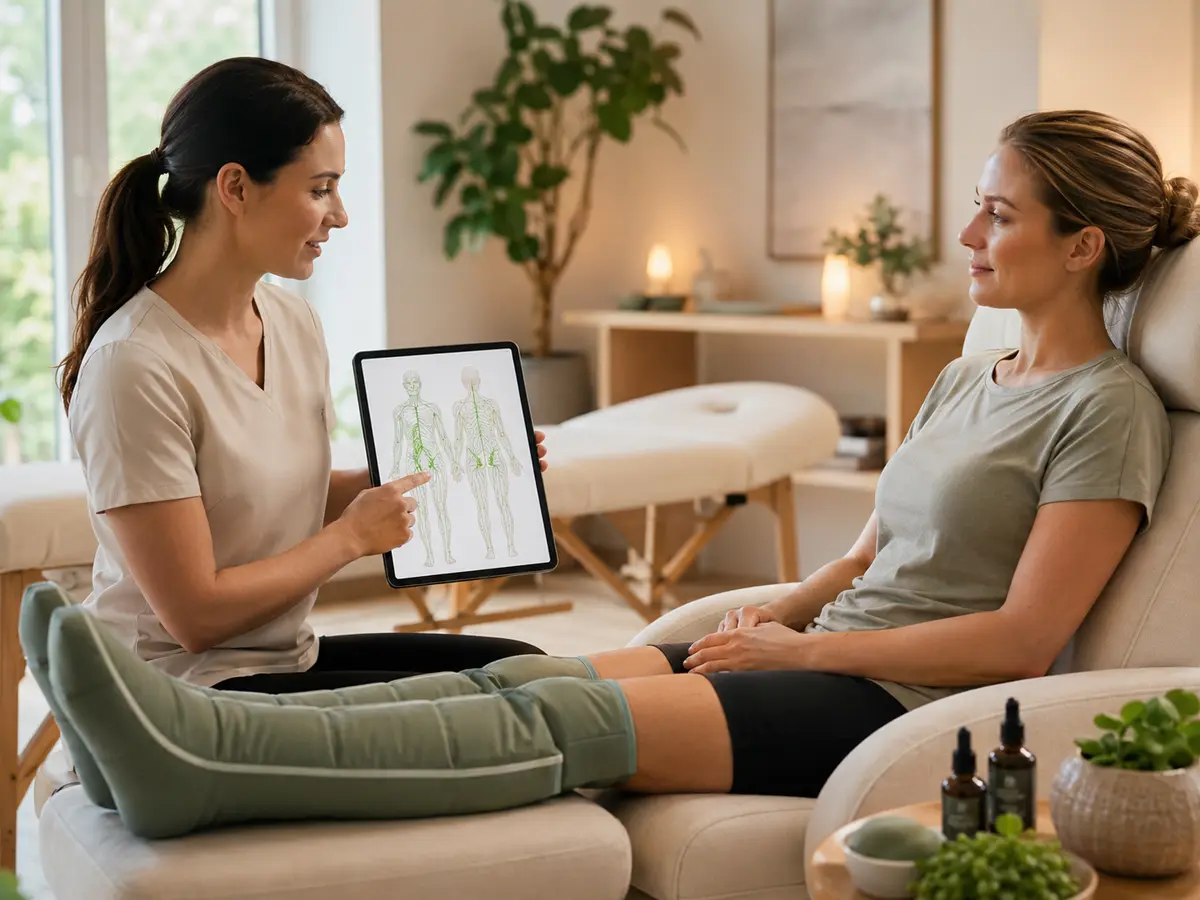
It's understandable to be concerned if you've started experiencing swollen feet or ankles after beginning Zoloft. This symptom, medically known as peripheral edema, can indeed be a side effect of certain medications, including some antidepressants like Zoloft (sertraline). While not everyone experiences it, it's a known potential issue that warrants attention.
The Link Between Zoloft and Swelling
Zoloft belongs to a class of drugs called Selective Serotonin Reuptake Inhibitors (SSRIs). These medications work by affecting serotonin levels in the brain, which helps regulate mood. While their primary action is on the nervous system, SSRIs can sometimes have effects on other bodily systems, including circulation and fluid balance.
The exact mechanism by which Zoloft might cause swelling isn't fully understood for every individual, but it's thought to be related to its influence on blood vessels and how the body handles fluid. Some theories suggest it might impact antidiuretic hormone (ADH) secretion or have a direct effect on vascular permeability, leading to fluid retention in the extremities. It's generally considered a less common side effect, but it does occur for some people.
It's important to remember that not all swelling is caused by medication. Many factors can contribute to swollen feet, and it's always wise to consider these possibilities as well.
Other Common Causes of Swollen Feet
Even if you're taking Zoloft, your swollen feet might be due to something else entirely. Here are some common everyday causes:
- Prolonged Standing or Sitting: Gravity naturally pulls fluid downwards, especially if you're stationary for long periods.
- Heat: Hot weather can cause blood vessels to expand, making it easier for fluid to leak into surrounding tissues.
- Dietary Factors: High salt intake can lead to fluid retention.
- Hormonal Changes: Pregnancy, menstrual cycles, and hormonal fluctuations can all contribute to temporary swelling.
- Minor Injuries: A sprain or strain in your foot or ankle can cause localized swelling.
- Aging: As we age, our circulation can become less efficient, and veins may weaken, leading to fluid pooling.
While less common, more serious conditions like heart failure, kidney disease, liver disease, or blood clots can also cause swelling. This is why it's so important to consult a healthcare professional if swelling is persistent, severe, or accompanied by other symptoms.
What You Can Do at Home to Help Swelling
If your swelling is mild and your doctor has confirmed it's not a sign of a more serious issue, there are several simple steps you can take at home to find relief:
- Elevate Your Legs: Whenever possible, raise your feet above the level of your heart for 15-20 minutes a few times a day. This helps gravity drain the fluid away.
- Stay Hydrated: Drinking plenty of water can actually help your body flush out excess sodium and reduce fluid retention. Don't cut back on water thinking it will reduce swelling.
- Move Regularly: If you sit or stand for long periods, take short breaks to walk around and stretch your ankles and feet. This helps improve circulation.
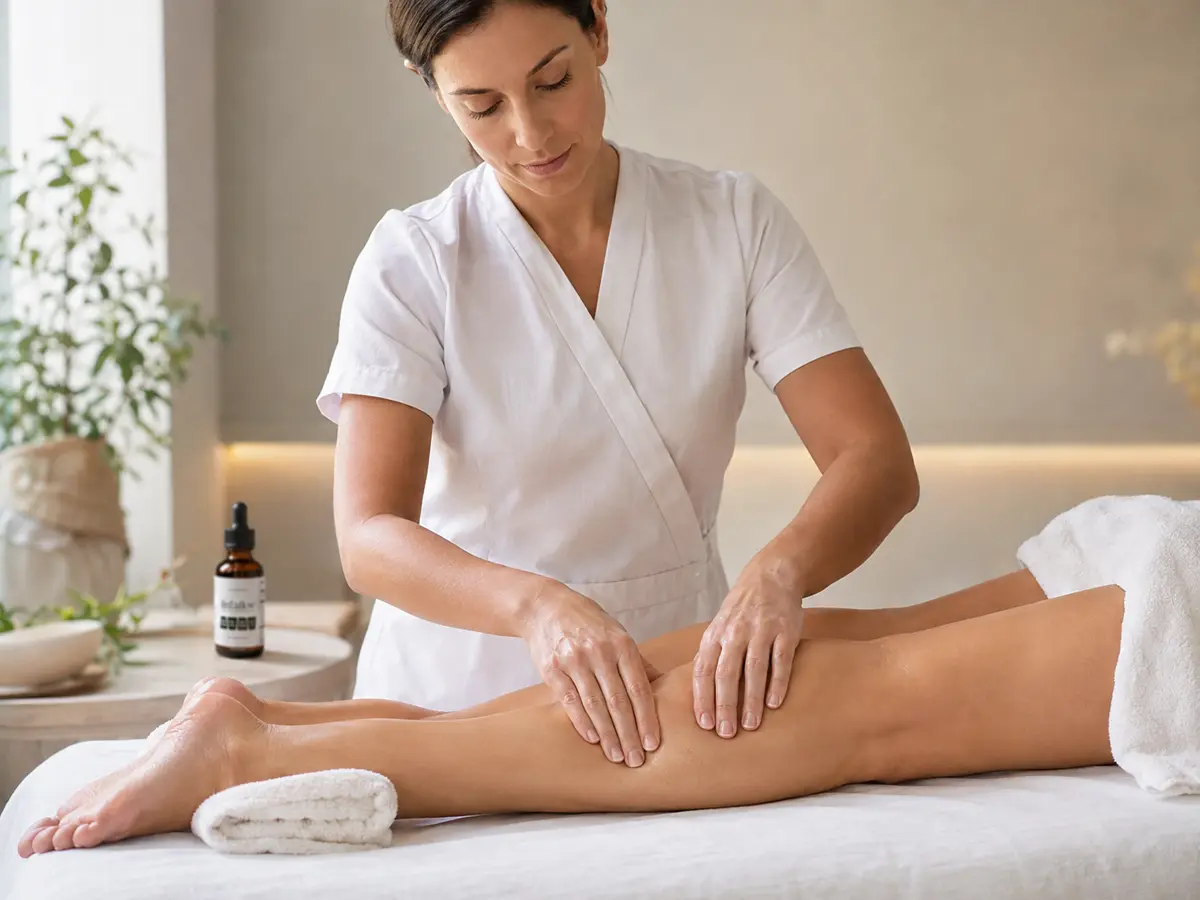
- Wear Compression Stockings: These can help prevent fluid from pooling in your lower legs and feet. Your doctor or pharmacist can recommend the right level of compression.
- Reduce Sodium Intake: Limiting processed foods and salty snacks can significantly impact fluid retention.
- Gentle Exercise: Walking, swimming, or cycling can improve circulation and reduce swelling. Even simple ankle rotations and foot pumps can help.
"Simple movements throughout the day, like walking to the mailbox or doing ankle circles while watching TV, can make a real difference in preventing fluid from settling in your lower legs."— An experienced physical therapist
When to Talk to Your Doctor About Swelling
While some swelling can be managed at home, it's crucial to know when to seek medical advice. Contact your doctor if you experience any of the following:
- Sudden, unexplained, or severe swelling.
- Swelling that affects only one leg or foot, especially if it's accompanied by pain, redness, or warmth to the touch (this could indicate a blood clot).
- Swelling accompanied by chest pain, shortness of breath, or dizziness (these are emergency symptoms).
- Swelling that doesn't improve with home remedies.
- If the swelling is painful or interferes with your daily activities.
- If you suspect your Zoloft dosage or medication is directly causing the problem.
Your doctor can assess your symptoms, consider all potential causes, and determine if adjusting your Zoloft dosage, switching to a different medication, or exploring other treatments is appropriate. Never stop taking Zoloft without consulting your doctor first, as sudden discontinuation can lead to withdrawal symptoms.
Supporting Your Lymphatic System
The lymphatic system plays a critical role in managing fluid balance and removing waste from your body. When this system isn't working optimally, it can contribute to swelling. While Zoloft's effect on the lymphatic system isn't a primary concern, supporting overall fluid circulation can be beneficial for managing general edema.
Beyond lifestyle adjustments, some people look to natural approaches to support their body's natural fluid drainage. Ingredients like dandelion, ginger, and buchu leaf have long been used in traditional practices for their diuretic properties, meaning they may help the body excrete excess fluid naturally. Other botanicals, like butcher's broom and horse chestnut, are studied for their potential to support healthy circulation and vein integrity, which can indirectly aid in managing fluid retention in the extremities.
For those seeking a plant-based option to support their lymphatic system and healthy fluid balance, products like Linfaflow offer a blend of these traditional ingredients in liquid drop form. Linfaflow is designed to promote healthy lymphatic drainage and circulation. It’s important to understand that such supplements are intended to support overall wellness and are not a substitute for medical treatment or advice, especially when dealing with medication side effects. They can be considered as part of a broader strategy to encourage healthy fluid movement in the body.

Linfaflow is relevant as a plant-based option for those seeking to support their body's natural fluid balance and lymphatic system, which can be helpful in managing general edema, including that which might be exacerbated by medication.
- Buy 3, Get 3 Free — Lowest Price Ever$19.99/bottle
- Buy 2, Get 2 Free — Most Popular$29.99/bottle
- Buy 1, Get 1 Free$34.75/bottle
We may earn a commission at no extra cost to you.
Finding Relief and Staying Informed
Experiencing swollen feet can be uncomfortable and concerning, especially when you suspect a medication is involved. By understanding the potential link with Zoloft, exploring common everyday causes, and implementing helpful home strategies, you can take active steps toward relief. Always maintain open communication with your healthcare provider to ensure your treatment plan is safe and effective for your individual needs.