 Wellness Review Labs
 By
By 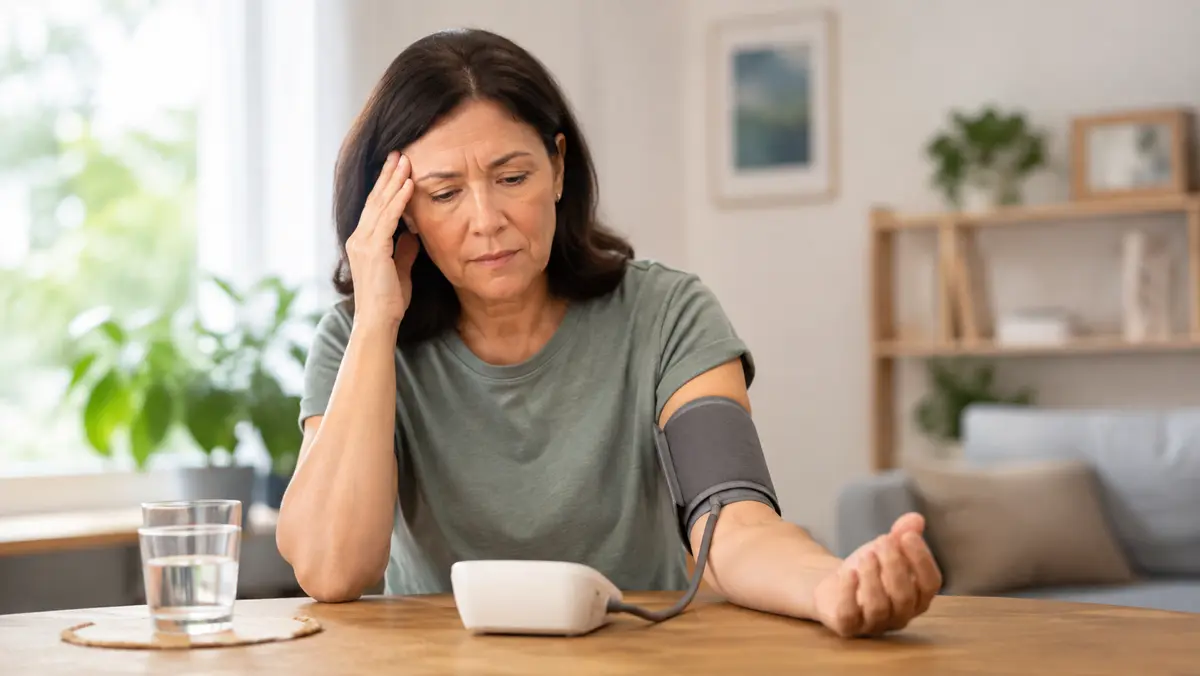
For most individuals, Stage 1 hypertension doesn't come with glaring warning signs. This can be unsettling because it means you could be living with elevated blood pressure without realizing it. The definition of Stage 1 hypertension is a systolic pressure between 130-139 mmHg or a diastolic pressure between 80-89 mmHg. Without regular check-ups, this condition can go unnoticed, potentially leading to more serious health issues over time.
Because symptoms are so rare at this stage, the most reliable way to detect hypertension is through consistent blood pressure monitoring. This can be done at your doctor's office, at many pharmacies, or with a reliable home blood pressure monitor.
Why Stage 1 Hypertension is Often Silent
The human body is remarkably adaptable. When blood pressure starts to rise gradually, your body often adjusts without triggering obvious discomfort or pain signals. Your heart might be working a little harder, and your blood vessels might be under slightly more strain, but these changes aren't usually enough to cause overt symptoms at Stage 1.
It's not until blood pressure reaches much higher levels, or has been elevated for a very long time, that symptoms typically become apparent. By then, significant damage to organs like the heart, brain, kidneys, and eyes may have already begun to accumulate.
Subtle Signs That *Might* Be Related (But Are Often Not)
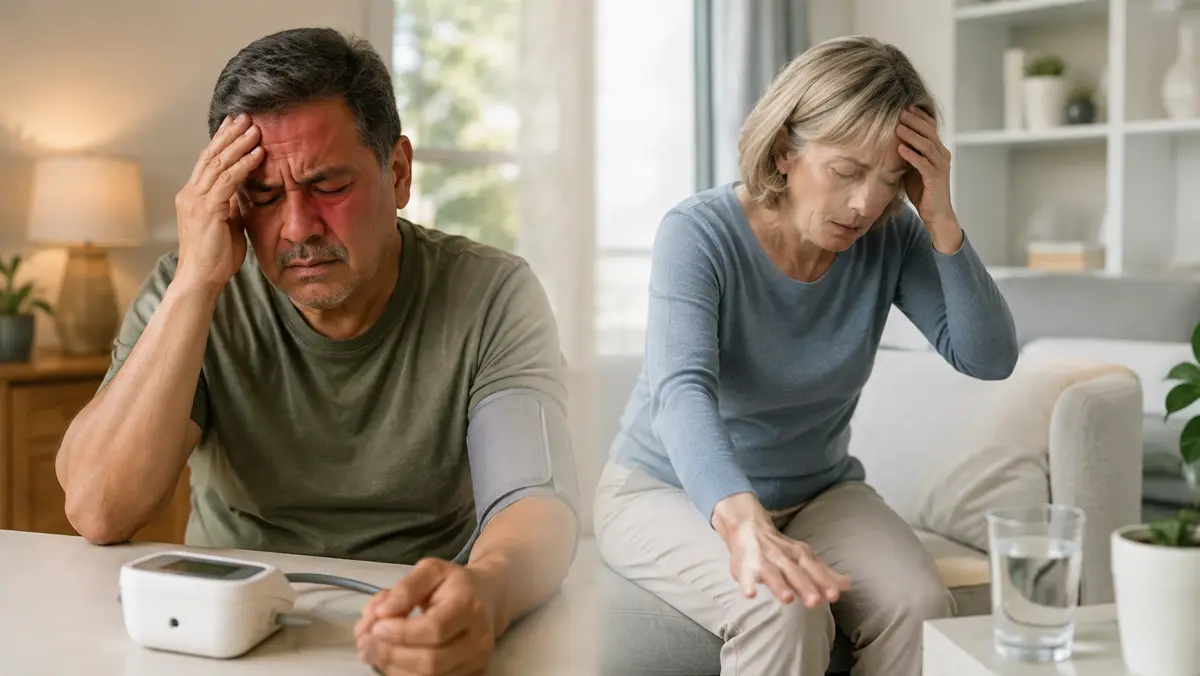
While it's important to reiterate that Stage 1 hypertension usually has no symptoms, some people *might* experience very mild, non-specific complaints that could *potentially* be linked. These symptoms are often vague and could be caused by many other less serious conditions, which is why they are not reliable indicators of hypertension on their own.
- Mild Headaches: Not the severe, throbbing headaches associated with hypertensive crises, but perhaps a dull ache.
- Occasional Dizziness: A lightheaded feeling, especially when standing up quickly.
- Fatigue: Feeling unusually tired or lacking energy.
- Nosebleeds: While rare, very high blood pressure can sometimes be a factor in nosebleeds, but this is less common in Stage 1.
- Blurred Vision: Extremely rare in Stage 1, but persistently elevated blood pressure can affect tiny blood vessels in the eyes over time.
If you experience any of these symptoms, it's always wise to consult your doctor to rule out any underlying issues. However, do not assume they are definitive signs of Stage 1 hypertension without a blood pressure reading.
What Causes Blood Pressure to Rise to Stage 1?
Several factors contribute to elevated blood pressure. Understanding these can empower you to make informed choices about your health.
- Diet: High sodium intake, processed foods, and insufficient potassium can all contribute to higher blood pressure.
- Lack of Physical Activity: Regular exercise helps keep your heart and blood vessels healthy.
- Excess Weight: Carrying extra pounds often means your heart has to work harder to pump blood throughout your body.
- Stress: Chronic stress can cause temporary spikes in blood pressure, and over time, may contribute to sustained elevation.
- Smoking: Nicotine temporarily raises blood pressure and damages blood vessel walls.
- Excessive Alcohol Consumption: Regular heavy drinking can increase blood pressure.
- Age: Blood pressure tends to rise as we get older, as blood vessels can become stiffer.
- Genetics: A family history of high blood pressure can increase your risk.
Taking Action: Lifestyle Changes for Stage 1 Hypertension
The good news is that Stage 1 hypertension is often manageable and even reversible through dedicated lifestyle modifications. These are typically the first recommendations doctors make.
- Adopt a Heart-Healthy Diet: Focus on whole, unprocessed foods. The DASH (Dietary Approaches to Stop Hypertension) diet is highly recommended, emphasizing fruits, vegetables, whole grains, lean protein, and low-fat dairy while limiting saturated and trans fats, cholesterol, and sodium.
- Reduce Sodium Intake: Aim for less than 2,300 milligrams (mg) of sodium per day, ideally even less. Read food labels carefully.
- Increase Physical Activity: Aim for at least 150 minutes of moderate-intensity aerobic exercise (like brisk walking) or 75 minutes of vigorous-intensity exercise per week. Even short bursts of activity throughout the day can help.
- Maintain a Healthy Weight: Losing even a small amount of weight can significantly impact blood pressure.
- Limit Alcohol: If you drink alcohol, do so in moderation—up to one drink per day for women and up to two drinks per day for men.
- Manage Stress: Practice stress-reducing techniques like meditation, yoga, deep breathing exercises, or spending time in nature.
- Quit Smoking: If you smoke, quitting is one of the most impactful things you can do for your overall health, including your blood pressure.
These changes aren't just about managing numbers; they're about improving your overall well-being and reducing your risk of future health complications.
How Supplements May Support Blood Pressure Health
While lifestyle changes are the cornerstone of managing Stage 1 hypertension, some individuals also look for additional support through dietary supplements. It's crucial to remember that supplements are not a substitute for medication or lifestyle changes, but they may play a supportive role for some.
CardioClear, for example, is a cardiovascular and circulation support formula designed to promote healthy blood flow and arterial flexibility. It contains ingredients like hibiscus, hawthorn, and garlic, which have been studied for their potential to help support blood pressure already within a healthy range. It's important to understand that CardioClear, like any supplement, is not intended to treat, cure, or prevent hypertension. It's designed to complement a healthy lifestyle by providing nutritional support for cardiovascular health.
Always discuss any supplement use with your doctor, especially if you are on medication or have existing health conditions. They can advise on potential interactions and whether a supplement is appropriate for your individual needs.
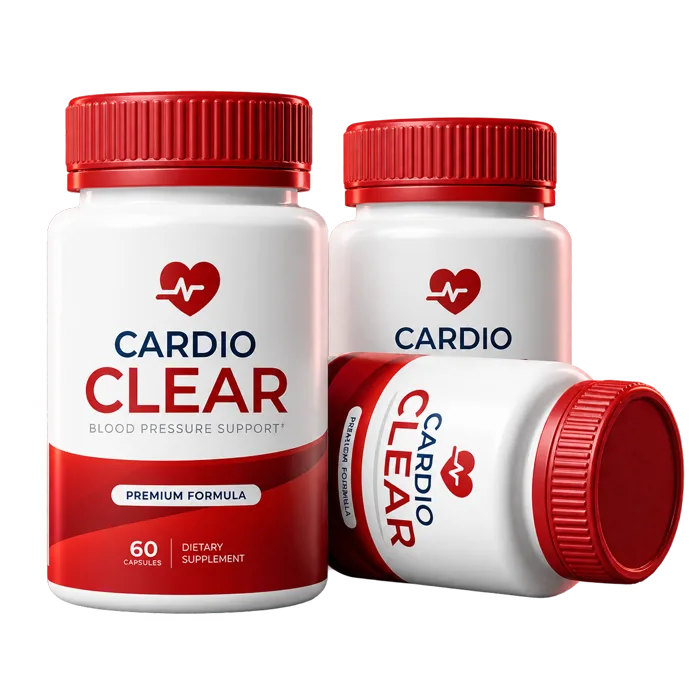
CardioClear is relevant as a supportive supplement that may help promote healthy blood flow and arterial flexibility, complementing the essential lifestyle changes for those managing Stage 1 hypertension.
- Buy 3, Get 3 Free — Lowest Price Ever$29.99/bottle
- Buy 2, Get 2 Free — Most Popular$39.99/bottle
- Buy 1, Get 1 Free$59.99/bottle
We may earn a commission at no extra cost to you.
The Importance of Regular Monitoring
Because Stage 1 hypertension is often asymptomatic, regular blood pressure checks are your most powerful tool. This allows for early detection and intervention, often before medication becomes necessary. Your doctor can help you establish a monitoring schedule that's right for you.
I used to think I'd 'feel' if my blood pressure was high. Turns out, I was wrong. My doctor caught my Stage 1 hypertension during a routine check-up. It was a wake-up call to take my health seriously.— A concerned reader