 Wellness Review Labs
 By

The most important fact about high blood pressure is also the most frustrating: in the vast majority of cases, hypertension has no symptoms at all. Millions of Americans walk around with elevated numbers every day feeling completely normal. When symptoms do appear, they generally fall into two categories: vague, gradual signals like morning sluggishness and poor exercise tolerance, or sudden, severe signs of a hypertensive crisis requiring urgent medical attention.
The real remedy for chronic high blood pressure is not a quick home fix. It is a dual approach built on consistent lifestyle modifications—such as reducing sodium, increasing physical activity, and prioritizing restorative sleep—alongside close medical supervision and prescribed therapy where necessary.
Why Hypertension Is Called the Silent Killer
Blood pressure refers to the force of circulating blood against the walls of your arteries. When that pressure remains consistently high, the arterial walls stretch and develop microscopic tears over time. Yet because the body adapts to gradual increases in pressure, your nervous system rarely sends pain or distress signals during stage 1 or stage 2 hypertension.
Many people believe that elevated blood pressure always causes nervousness, sweating, trouble sleeping, or facial flushing. Major cardiovascular organizations note that these signs are rarely direct indicators of blood pressure levels. Relying on physical sensations to judge your numbers is unreliable; the only dependable method is a validated arm-cuff monitor.
Warning Signs That Demand Immediate Medical Attention
While routine hypertension is silent, acute spikes to dangerous levels—often defined as systolic pressure over 180 mm Hg or diastolic pressure over 120 mm Hg—can trigger noticeable and urgent symptoms. This state is known as a hypertensive crisis and requires immediate professional evaluation.
- A sudden, severe headache that feels distinctly different from regular tension headaches
- Shortness of breath or difficulty catching your breath while resting
- Chest pain, pressure, or a feeling of fullness in the center of the chest
- Sudden changes in vision, such as blurriness or temporary loss of sight
- Numbness, weakness, difficulty speaking, or sudden loss of balance
- Unexplained nausea accompanied by profound dizziness

Everyday Habits That Support Healthy Blood Pressure
For individuals managing mild elevations or looking to support an overall healthy cardiovascular profile, research consistently highlights foundational lifestyle adjustments. These practices help ease the workload on your heart and encourage healthy vascular elasticity.
- Moderate dietary sodium: Aim to keep sodium intake under 2,300 milligrams per day, or closer to 1,500 milligrams if your doctor advises it. Hidden sodium in processed breads, sauces, and canned goods is often the biggest contributor.
- Prioritize potassium and magnesium: Whole foods like leafy greens, sweet potatoes, beans, bananas, and unsalted nuts naturally balance the fluid dynamics inside your cells.
- Engage in consistent, moderate movement: Thirty minutes of brisk walking, swimming, or cycling five days a week helps keep blood vessels flexible and reduces systemic vascular resistance.
- Establish consistent sleep habits: Chronic sleep deprivation or untreated obstructive sleep apnea keeps the sympathetic nervous system on high alert, driving up overnight pressure readings.
- Limit alcohol consumption: Regular alcohol intake raises blood pressure and can interfere with the effectiveness of prescribed cardiovascular drugs.
Small, consistent changes in daily movement and meal preparation consistently produce more reliable cardiovascular benefits than drastic, short-lived health overhauls.— Cardiovascular Health Advisory Board
The Role of Structured Nutrition Plans
Among dietary approaches, the Dietary Approaches to Stop Hypertension (DASH) eating plan remains the gold standard in clinical nutrition. Rather than acting as a restrictive diet, it emphasizes whole foods rich in dietary fiber, potassium, calcium, and magnesium, while moderating saturated fats and added sugars.
Integrating these principles does not require an all-or-nothing mindset. Swapping refined grains for whole oats, adding a handful of spinach to your eggs, and replacing salty snacks with fresh fruit can produce steady improvements in overall vascular comfort over several weeks.
Where Nutritional Supplements Fit In
Many adults look for targeted nutritional support to complement their diet and exercise routines. It is critical to understand the distinction between medical treatment and dietary supplementation. Supplements are intended to provide nutritional support for general cardiovascular wellness; they do not diagnose, treat, cure, or lower high blood pressure.
One product available in this category is Cardiocept, an oral capsule marketed as daily heart and circulation support. Its manufacturer positions the formula as nutritional support for heart health, healthy blood pressure, and overall cardiovascular wellness. The company does not publish its specific ingredient profile publicly, which means consumers should evaluate it based on general nutritional support rather than single, isolated compounds.
Cardiocept is sold in 2-, 3-, and 6-bottle packages, with pricing reflecting current package promotions. The manufacturer provides a 60-day money-back guarantee, allowing customers to assess whether the capsules suit their daily wellness routine.
If you take prescription medication for blood pressure, heart rate, or kidney function, you must continue taking your medication exactly as prescribed. Cardiocept does not replace antihypertensive drugs. Always show the bottle to your primary care physician or cardiologist before introducing any new supplement to your daily regimen.
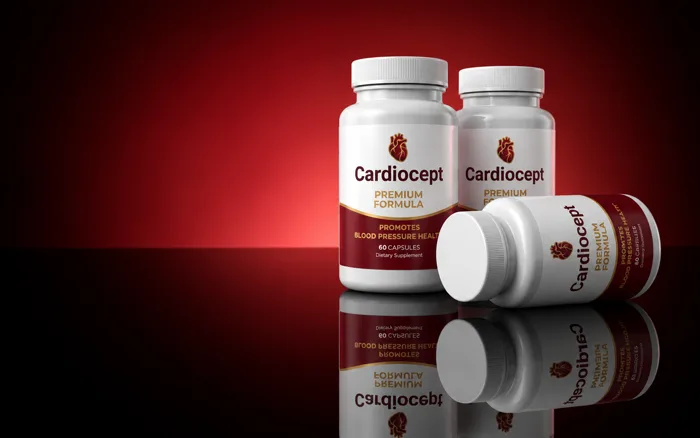
Cardiocept serves as a secondary, optional nutritional support consideration for general cardiovascular wellness, introduced only after establishing the essential roles of medical oversight, symptom recognition, and core lifestyle habits.
- 6-Bottle Package — Lowest Price Per Bottlebest value/bottle
- 3-Bottle Package — Most Popularmost popular/bottle
- 2-Bottle Packagestarter/bottle
We may earn a commission at no extra cost to you.
Building a Reliable Home Monitoring Habit
Because high blood pressure remains largely asymptomatic, tracking your progress requires objective data rather than intuition. Using a clinically validated, bicep-cuff monitor at home provides you and your physician with an accurate picture of your daily baseline.
For the most accurate measurements, sit quietly with your back supported and feet flat on the floor for five minutes before taking a reading. Avoid caffeine, exercise, and tobacco for at least thirty minutes prior. Take two readings one minute apart each morning and evening, recording the numbers in a dedicated logbook or health app.