 Wellness Review Labs
 By
By 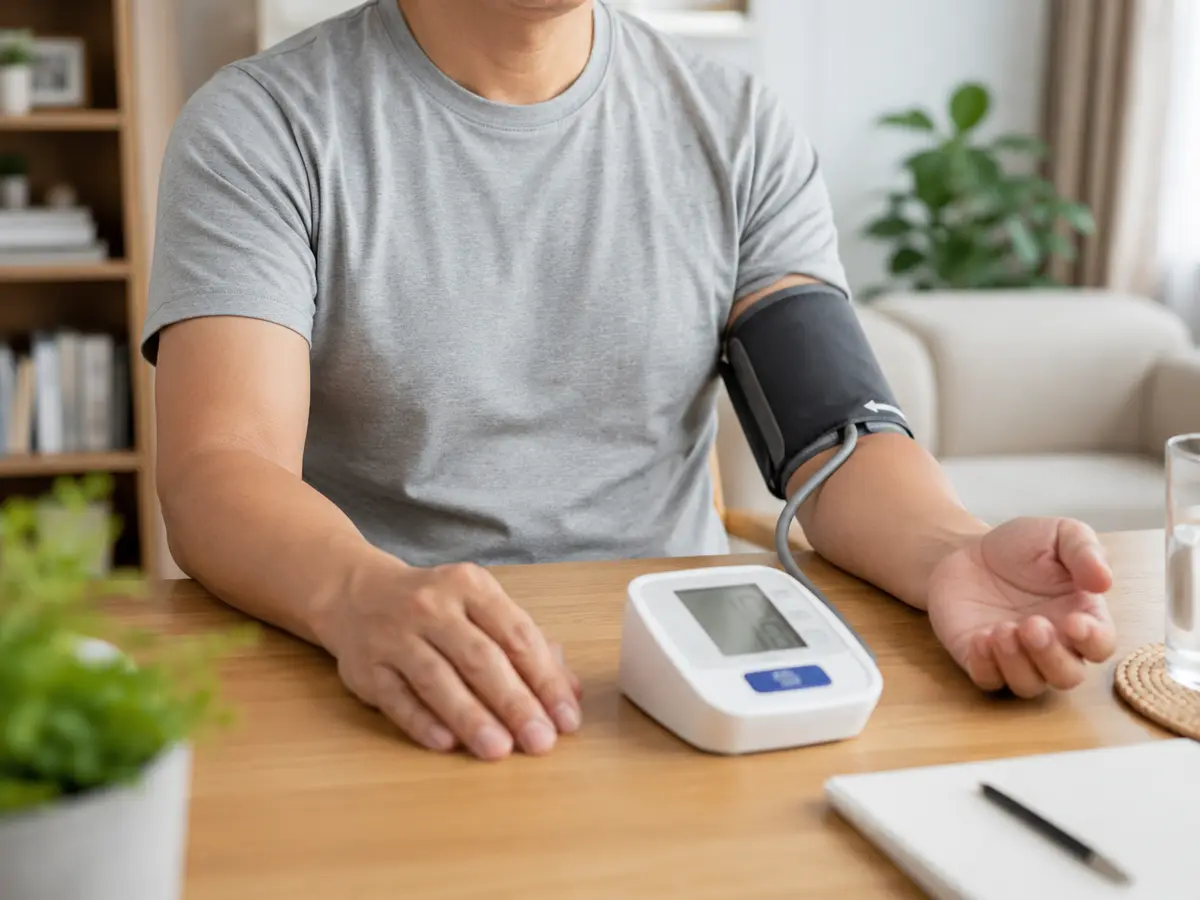
The straightforward answer to what a hypertension symptoms picture looks like is that, in the vast majority of cases, there is nothing visible to see. Medical organizations worldwide refer to hypertension as a silent threat precisely because someone can live with elevated readings for decades without developing a rash, distinct facial changes, or obvious physical swelling. The true picture of high blood pressure exists internally, measured in millimeters of mercury on an inflatable arm cuff rather than through outward visual cues.
Because blood pressure rises gradually over months and years, your blood vessels and brain adapt to the increased force of blood pushing against your artery walls. You feel completely normal while the strain quietly accumulates. Understanding why this condition remains largely invisible is the first step toward taking control of your cardiovascular wellness before complications arise.
The Truth Behind Common Visual Clues
People often associate specific physical appearances with high blood pressure, leading to misconceptions about when they are safe and when they are at risk. Here is what is actually happening behind the most common visible concerns:
- Facial flushing: Redness in the face occurs when blood vessels in the skin dilate. This happens predictably in response to heat, spicy meals, alcohol, emotional stress, or skin care products. While a sudden spike in blood pressure can accompany stress, flushing itself is not a reliable indicator of hypertension.
- Blood spots in the eyes: Known clinically as a subconjunctival hemorrhage, a broken blood vessel on the white of the eye looks alarming. While more common in individuals with untreated high blood pressure or diabetes, it is most often caused by a simple cough, sneeze, or gentle eye rubbing.
- Dizziness or lightheadedness: Many assume feeling lightheaded means their pressure has spiked. In reality, sudden dizziness is more frequently linked to a sudden drop in pressure, inner ear disturbances, dehydration, or medication side effects.
- Nervousness and sweating: Profuse sweating and tremors are typically driven by adrenaline surges or blood sugar fluctuations rather than chronic blood pressure elevation.
When Symptoms Do Appear: The Hypertensive Crisis
There is one notable exception to the rule of silence: a hypertensive crisis. This medical emergency occurs when blood pressure rises rapidly and severely, typically defined as readings exceeding 180 systolic or 120 diastolic. In this scenario, the body begins showing overt distress.
During an acute crisis, the physical picture changes drastically. An individual might experience an incapacitating, throbbing headache, blurred or doubled vision, chest tightness, pronounced shortness of breath, sudden back pain, or unexpected confusion. These are not signs of routine high blood pressure. They represent an acute strain on target organs like the brain, heart, and kidneys, requiring immediate emergency medical care.
Patients frequently tell me they know their pressure is fine because they do not have headaches. In reality, headaches only become a regular feature when readings reach life-threatening spikes. Routine screening is your only dependable diagnostic tool.— Cardiovascular Nurse Practitioner, Preventive Cardiology
Reading the Real Picture: Understanding Your Numbers
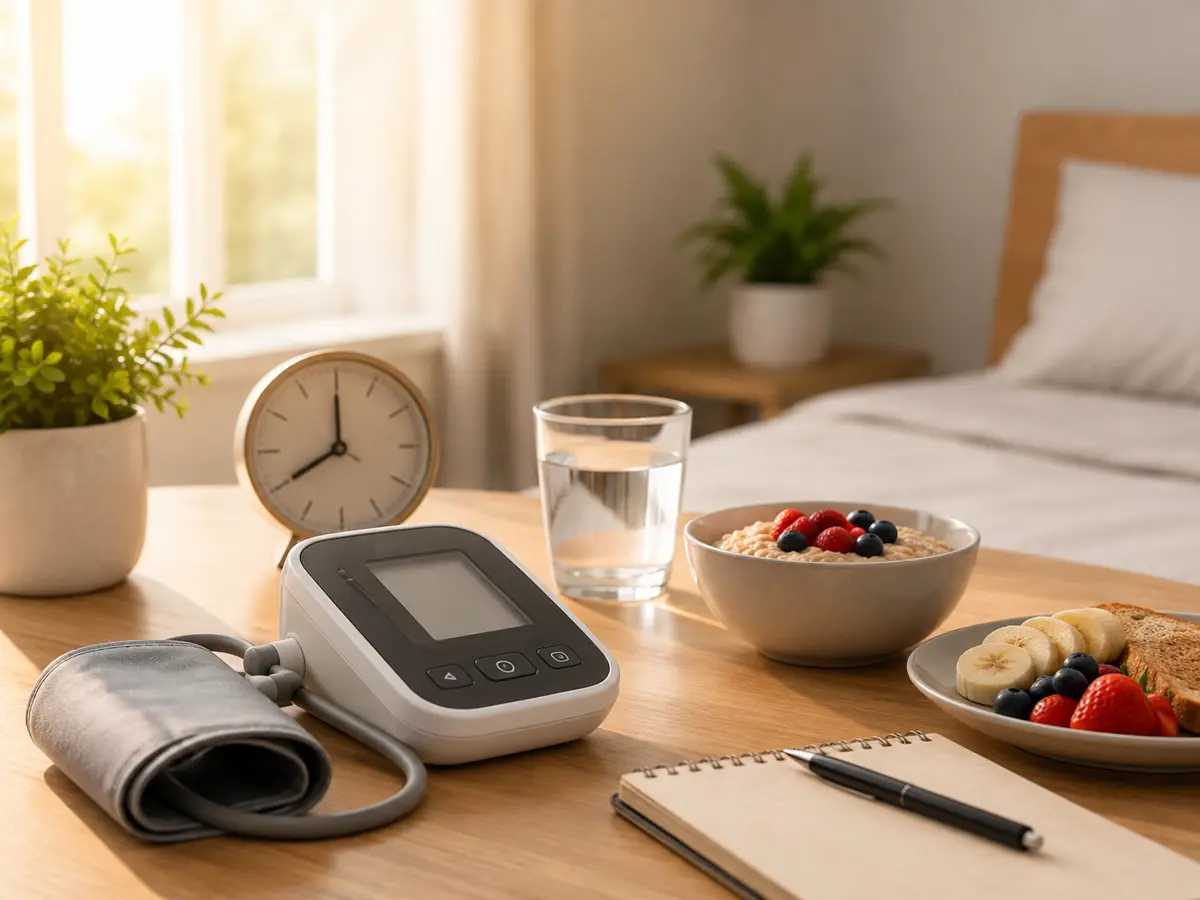
Since looking in a mirror will not provide answers, looking at your home blood pressure monitor will. Clinical guidelines categorize adult blood pressure into distinct categories based on resting arm measurements:
- Normal: Systolic less than 120 mmHg and diastolic less than 80 mmHg.
- Elevated: Systolic between 120 and 129 mmHg and diastolic less than 80 mmHg.
- Stage 1 Hypertension: Systolic between 130 and 139 mmHg or diastolic between 80 and 89 mmHg.
- Stage 2 Hypertension: Systolic 140 mmHg or higher or diastolic 90 mmHg or higher.
- Hypertensive Crisis: Systolic higher than 180 mmHg and/or diastolic higher than 120 mmHg.
To capture an accurate reading, sit quietly with your back supported and feet flat on the floor for five minutes prior to pressing start. Avoid caffeine, exercise, and tobacco for at least thirty minutes before testing, and ensure the cuff sits directly on bare skin at heart level.
Everyday Habits That Support Healthy Circulation
Long-term vascular wellness is built on small, consistent behavioral choices. Your arteries are dynamic, living tissues that respond directly to how you move, rest, and nourish yourself each day.
Managing dietary sodium remains one of the most effective lifestyle adjustments. Most excess sodium comes from commercially packaged foods and restaurant meals rather than the home salt shaker. Balancing sodium intake with potassium-rich whole foods, such as leafy greens, sweet potatoes, and avocados, naturally encourages blood vessel walls to relax.
Regular aerobic movement, such as thirty minutes of brisk walking five days a week, stimulates nitric oxide production in your blood vessels, improving arterial flexibility. Similarly, prioritizing seven to eight hours of sound sleep allows your cardiovascular system to experience its natural overnight dip, giving the heart a much-needed period of reduced workload.
Nutritional Options for Cardiovascular Support
Alongside dietary adjustments and doctor-recommended medical regimens, some adults look for specialized nutritional support to help promote general circulation and heart health. One option available in this category is Cardiocept.
Cardiocept is formulated in capsule format and is positioned by its manufacturer as daily nutritional support for heart health, healthy blood pressure, and overall cardiovascular wellness. It is designed to complement healthy lifestyle habits by providing foundational support for the circulatory system.
It is essential to understand what Cardiocept is and what it is not. The manufacturer does not publish its specific ingredient list, so complete transparency regarding individual compounds is unavailable. Most importantly, Cardiocept does not lower blood pressure and must never be used as a replacement for prescribed blood pressure medications. If you have been diagnosed with hypertension or are currently taking prescription medication, you must continue taking your prescriptions as directed and consult your physician before adding any new supplement to your daily routine.
Cardiocept is sold directly through the maker in two-, three-, and six-bottle packages, allowing you to select based on current package pricing. Each order includes a 60-day money-back guarantee, providing a reasonable window to decide whether it aligns with your broader wellness goals.

Cardiocept provides daily nutritional support for overall circulatory wellness for readers seeking to build proactive, healthy cardiovascular habits alongside regular monitoring.
- 6-Bottle Package — Lowest Price Per Bottlebest value/bottle
- 3-Bottle Package — Most Popularmost popular/bottle
- 2-Bottle Packagestarter/bottle
We may earn a commission at no extra cost to you.
Putting Your Cardiovascular Plan Together
Waiting for a physical picture of high blood pressure to appear before taking action is a gamble with your health. Because arterial damage occurs quietly over time, your best defense is proactive measurement combined with consistent daily care.
Invest in a validated upper-arm blood pressure monitor, log your readings twice a week, and share those logs with your primary care team. Ground your routine in whole foods, restorative sleep, and moderate daily movement. When supported by sensible nutritional choices and professional medical guidance, you can protect your circulatory wellness for decades to come.