 Wellness Review Labs
 By
By 
When blood pressure remains elevated for extended periods, it exerts physical force on the walls of your arteries. While we often think of this happening in major arteries near the heart, it also affects the microvasculature—the tiny, thread-like blood vessels that feed sensitive tissues like the retina. Over time, this sustained pressure can cause these small vessels to thicken, narrow, or leak. Because your eyes rely on an exceptionally dense and delicate network of blood vessels to function properly, they can serve as an early indicator of how high blood pressure is affecting small blood vessels throughout the entire body.
Understanding this connection helps explain why physicians and eye care specialists pay close attention to the eyes during routine health evaluations. The circulatory system is a continuous loop, and when pressure rises in the main highways, the pressure is inevitably transmitted down into the smallest rural roads of your vascular network. By learning how these changes occur, you can take a more active role in protecting both your vision and your long-term cardiovascular health.
What Happens to the Eyes During Chronic High Blood Pressure
The back of your eye is lined with the retina, a light-sensitive tissue packed with blood vessels that require a steady, well-regulated supply of blood. When blood pressure climbs, these vessels react to protect the delicate retinal tissue from the excessive force. They may narrow their passageways to limit the high-pressure flow. If the pressure persists over months or years, the vessel walls can become rigid, or small spots of bleeding and fluid leakage can occur within the retinal layers.
Doctors group these structural changes into distinct stages, ranging from mild narrowing (often referred to clinically as 'silver wiring' or 'copper wiring' due to how the vessels reflect light during an ophthalmologic exam) to more pronounced swelling of the optic nerve in severe cases. The crucial thing to understand for everyday life is that early and moderate changes rarely cause any pain or noticeable vision loss. You cannot usually feel high blood pressure in your eyes, which is precisely why these internal vascular shifts can quietly progress without an individual realizing anything is amiss.
Commonly Reported Signs and When They Occur
- No early symptoms: Most people with mild retinal vessel changes experience zero noticeable vision shifts, making routine checkups vital.
- Blurred or double vision: Can occasionally happen if chronic pressure leads to fluid accumulation in the macula, the central part of the retina responsible for sharp vision.
- Sudden visual disturbances: Rapidly worsening vision accompanied by a severe headache, chest pain, or shortness of breath demands immediate emergency care.
- Subconjunctival hemorrhage: A bright red patch on the white of the eye that looks alarming but is usually harmless, though it can sometimes prompt a precautionary blood pressure check.
It is important to remember that most everyday vision changes—such as needing stronger reading glasses or experiencing dry eyes—are completely unrelated to hypertension. However, keeping track of any abrupt shifts in your visual clarity gives you valuable information to share with your healthcare provider during your next conversation.
Why Regular Dilated Eye Exams Matter
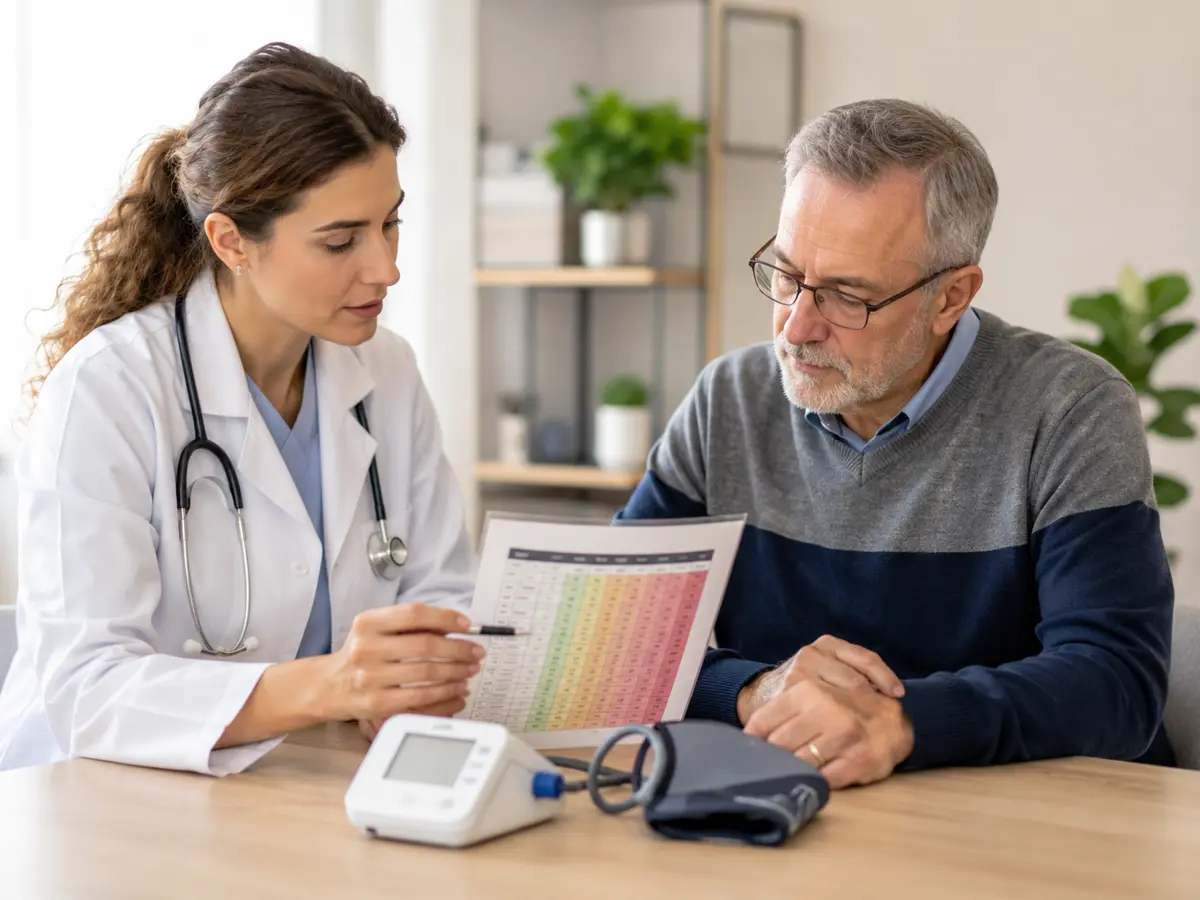
Because hypertensive changes in the eye develop silently, an eye doctor is frequently the first healthcare professional to spot signs of chronic vascular strain. During a comprehensive dilated eye exam, an optometrist or ophthalmologist uses specialized lenses and light to directly view your retinal blood vessels. This unique window into your microcirculation can provide valuable clues about how your cardiovascular system is handling long-term pressure.
Catching these early signs does not just protect your sight; it offers a practical prompt to review your overall blood pressure management strategy with your primary care physician. If your eye doctor notices narrowing or vessel changes, it serves as a gentle reminder to check your daily habits, verify your medication routine, and ensure your cardiovascular health remains a top priority.
An eye exam is much more than a check for glasses. It offers a direct look at blood vessels that reflect the health of circulation throughout the entire body.— Optometrist in clinical practice
Everyday Habits That Support Microcirculation
Protecting the health of your eyes and blood vessels involves supporting overall cardiovascular wellness through consistent, daily choices. While medications prescribed by your physician are vital for managing diagnosed hypertension, several daily practices support healthy blood flow naturally and help reduce the overall strain on your vascular network:
- Prioritize regular movement: Brisk walking, swimming, or cycling encourages healthy circulation, keeps blood vessels pliable, and supports overall heart function.
- Adopt a heart-smart diet: Focus on leafy greens, berries, whole grains, and foods rich in potassium while moderating your sodium intake to help maintain fluid balance.
- Manage daily stress: Chronic stress keeps sympathetic nervous system activity high, which can temporarily elevate blood pressure and tighten blood vessels.
- Stay properly hydrated: Dehydration can affect blood volume and viscosity, making your cardiovascular system work harder to push blood through delicate microvessels.
Implementing these habits requires patience and consistency. Even small changes, such as adding a daily twenty-minute walk after dinner or swapping processed snacks for fresh produce, compound over time to create a more resilient cardiovascular system.
Nutritional Support for Heart and Circulation Health
As adults navigate cardiovascular wellness, many look for daily nutritional routines that complement their existing lifestyle habits. Supplements designed for heart and circulation support have become popular additions to morning wellness regimens, offering targeted nutritional reinforcement for those looking to maintain their vitality as they age. If you are exploring this route, it is important to understand what these products can and cannot do so you can make an informed choice.
One option in this category is Cardiocept, formulated as a daily capsule designed to provide nutritional support for heart health, healthy blood pressure, and overall cardiovascular wellness. It is important to be clear: Cardiocept does not lower blood pressure, and it is never a replacement for prescribed blood-pressure medication. If you take prescribed treatment for hypertension, you must keep taking it exactly as directed and always consult your doctor before adding any new supplement to your routine.
Cardiocept is manufactured for daily wellness support and is available directly through the manufacturer in 2-, 3-, and 6-bottle packages under current package pricing. Purchases are backed by a 60-day money-back guarantee, allowing adequate time to evaluate how it fits into your daily routine and discuss its use with your healthcare provider.
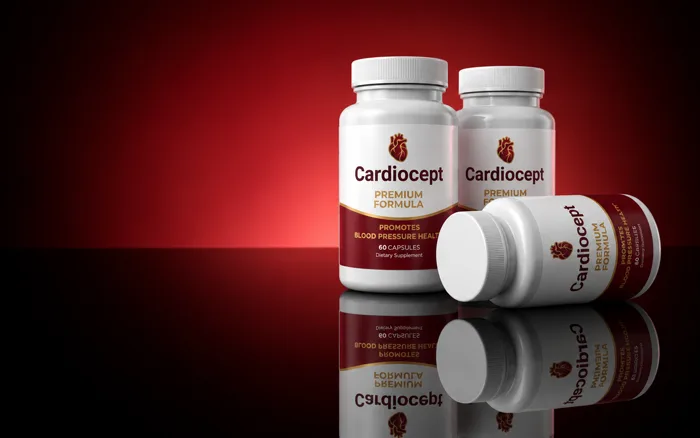
Cardiocept provides daily nutritional support for heart health and circulation, complementing broader lifestyle efforts to maintain cardiovascular wellness.
- 6-Bottle Package — Lowest Price Per Bottlebest value/bottle
- 3-Bottle Package — Most Popularmost popular/bottle
- 2-Bottle Packagestarter/bottle
We may earn a commission at no extra cost to you.