 Wellness Review Labs
 By
By 
For years, textbooks taught us that high blood pressure is entirely asymptomatic until a major cardiovascular event occurs. But as anyone who has experienced a sudden blood pressure fluctuation knows,ometomes the human body tells a much more complicated story. When adults in their late forties through seventies check their home monitors and see unusually high numbers accompanied by a churning stomach, the concern is entirely justified and deserves a closer look.
Understanding this connection requires us to look past simple generalizations and examine how our cardiovascular and autonomic nervous systems actually operate under stress. Your circulatory system is a vast, finely tuned network designed to adapt to daily changes in posture, activity level, and stress. When those regulatory mechanisms face sudden overloads, the physical fallout is rarely confined to a single organ or a simple numerical reading on a screen.
Does High Blood Pressure Directly Cause Nausea?
Generally speaking, routine, everyday high blood pressure does not cause nausea. Your circulatory system adapts to gradual increases over time without alerting your digestive tract. Millions of people walk around with elevated blood pressure for years without feeling a single physical sensation, which is precisely why regular screenings with a physician remain so vital for long-term health.
However, the scenario changes completely during acute episodes. When blood pressure spikes rapidly and severely—a situation known clinically as a hypertensive crisis—the sudden pressure inside the skull and the strain on the cardiovascular system can trigger a cascade of neurological and autonomic responses. This includes dizziness, severe headaches, visual disturbances, and yes, acute nausea that can leave you feeling profoundly unwell.
The autonomic nervous system, which controls involuntary body functions like heart rate and digestion, goes into overdrive during these sharp spikes. Blood flow is rapidly redirected away from the digestive tract to prioritize core organs and muscles, which naturally halts normal digestion and creates that sudden, uncomfortable wave of queasiness in your upper abdomen.
Other Common Culprits Behind Nausea and High Readings
If you are feeling nauseated and notice your blood pressure is running high, it is worth looking beyond the blood pressure meter itself. Often, an underlying third factor is connecting the two experiences, creating a misleading overlap of symptoms that can easily cause unnecessary panic.
Sorting through these potential overlapping causes requires patience and careful observation. Keeping a detailed symptom journal—noting what you ate, your stress levels, and the exact time you took any medications alongside your blood pressure readings—can provide your healthcare provider with invaluable clues when trying to pinpoint the root cause of your discomfort.
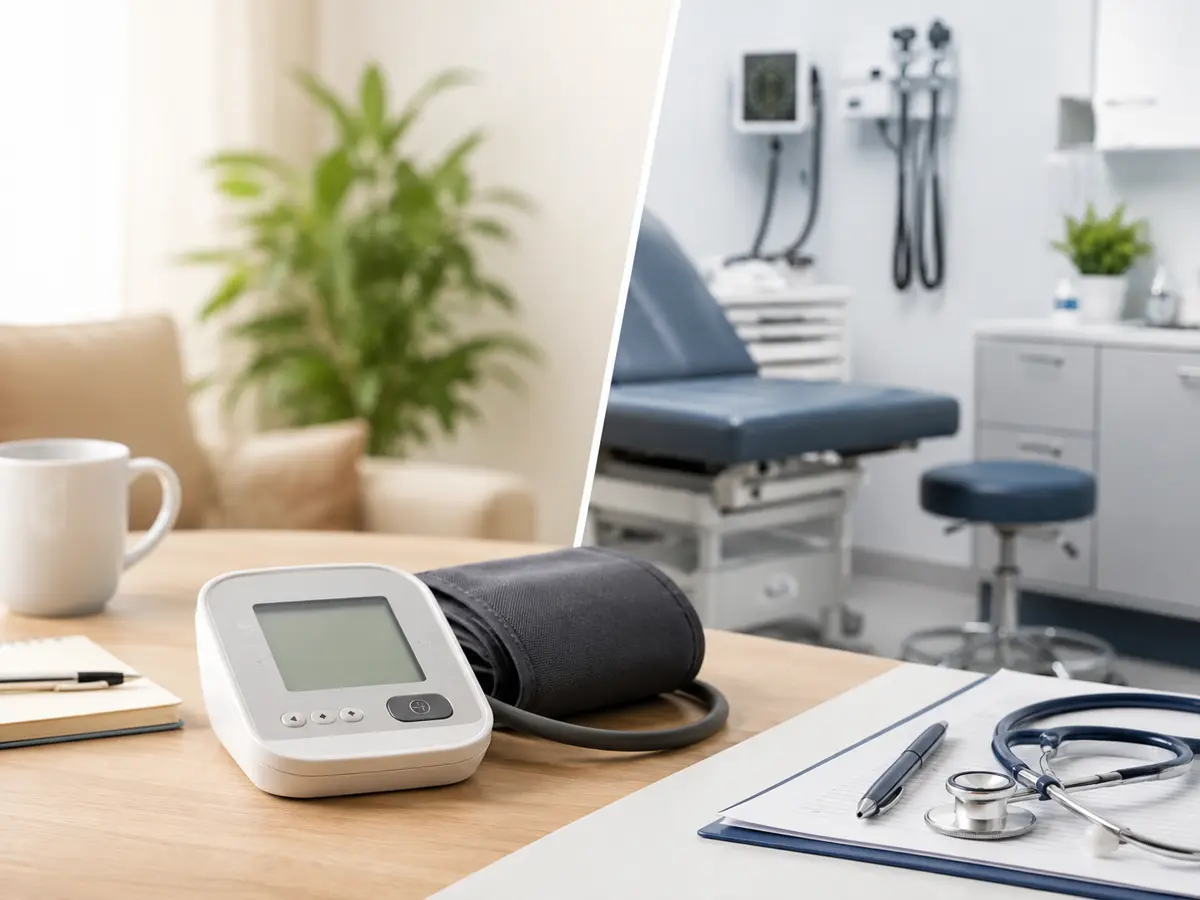
What to Do When Symptoms Strike
If you feel unwell and your home monitor shows a high reading, the worst thing you can do is panic, as anxiety will only push your blood pressure higher. Taking a structured, measured approach helps your body return to a state of equilibrium without making a tense situation worse.
It is also helpful to loosen any tight clothing around your neck and waist, step away from bright screens, and try to find a quiet, dimly lit room if a pounding headache is accompanying your nausea. Giving your nervous system a chance to decompress is often the most effective immediate intervention.
Supporting Your Circulatory System Daily
Managing cardiovascular wellness requires a consistent, long-term routine. Beyond taking prescribed medications precisely as directed by your physician, daily lifestyle habits form the bedrock of healthy circulation. Regular low-impact walking, reducing dietary sodium, prioritizing restorative sleep, and finding effective ways to manage everyday stress all contribute to smoother blood pressure patterns over time.
Building these habits does not require an overnight lifestyle overhaul. Small, sustainable changes—such as adding a fifteen-minute evening walk around the neighborhood, swapping processed snacks for whole foods, or practicing five minutes of morning breathing exercises—accumulate over months and years to create meaningful improvements in your overall cardiovascular resilience.
For individuals looking to add an extra layer of nutritional support to their heart-healthy routine, targeted dietary supplements can be a helpful addition. This is where options like Cardiocept come into consideration for daily cardiovascular maintenance.
An Overview of Cardiocept Capsules
Cardiocept is formulated as a daily dietary supplement designed to provide nutritional support for heart health, healthy blood pressure, and overall cardiovascular wellness. Delivered in convenient capsules, it is intended to complement—never replace—a balanced diet, regular physical activity, and prescribed medical treatments.
It is vital to understand what this product does not do: Cardiocept does not lower blood pressure and is not a treatment or cure for hypertension. If you have been prescribed blood pressure medication by a physician, you must continue taking it exactly as directed without interruption. Always consult your healthcare provider before introducing any new supplement into your daily regimen.
Cardiocept is available directly through the manufacturer in current package pricing options covering 2-, 3-, and 6-bottle packages. Every purchase is backed by a 60-day money-back guarantee, allowing adequate time to evaluate how the capsules fit into your daily wellness routine.

Cardiocept provides daily nutritional support for overall cardiovascular wellness as part of a heart-healthy routine, complementing—never replacing—prescribed medical treatment for hypertension.
- 6-Bottle Package — Lowest Price Per Bottlebest value/bottle
- 3-Bottle Package — Most Popularmost popular/bottle
- 2-Bottle Packagestarter/bottle
We may earn a commission at no extra cost to you.