 Wellness Review Labs
 By
By 
High blood pressure, or hypertension, is a common condition where the long-term force of the blood against your artery walls is high enough that it may eventually cause health problems, such as heart disease. The challenging part about hypertension is that it often develops over time without any clear symptoms. This is why it's frequently referred to as the 'silent killer' – you can have it for years and not know it.
Because of this silent nature, the most reliable way to know if you have high blood pressure is to get it measured regularly by a healthcare professional. Still, some symptoms can appear, especially when blood pressure reaches dangerously high levels, signaling a hypertensive crisis.
Common Symptoms (Often in Severe Cases)
While most people with early hypertension don't experience symptoms, certain signs might appear if your blood pressure is severely elevated or has been high for an extended period, leading to organ damage. These symptoms are not specific to hypertension, meaning they can be caused by many other conditions, but if you experience them, especially suddenly or severely, it's wise to get checked.
- Severe Headaches: Not just any headache, but often a throbbing or pressure sensation, especially at the back of the head. These can be more intense than typical tension headaches.
- Shortness of Breath: Feeling winded after light activity, or even at rest, can indicate that your heart or lungs are under strain due to high blood pressure.
- Nosebleeds: Frequent or severe nosebleeds can sometimes be a sign of very high blood pressure, though nosebleeds are often caused by other factors.
- Fatigue or Confusion: Feeling unusually tired, disoriented, or having trouble concentrating may be a sign of reduced blood flow to the brain.
- Vision Problems: Blurred vision, double vision, or even temporary loss of vision can occur if high blood pressure affects the blood vessels in your eyes.
- Chest Pain: Discomfort, pressure, or a squeezing sensation in the chest can be a serious symptom, potentially indicating heart strain or a heart attack.
- Blood in Urine: This can be a sign of kidney damage, which high blood pressure can cause over time.
- Pounding in Your Chest, Neck, or Ears: Some individuals report a noticeable pulsing sensation in these areas when blood pressure is very high.
It’s important to reiterate: these symptoms are usually present when blood pressure is dangerously high or has been high for a long time, causing damage. They are not early warning signs for most people.
What Happens When Blood Pressure Is Too High?
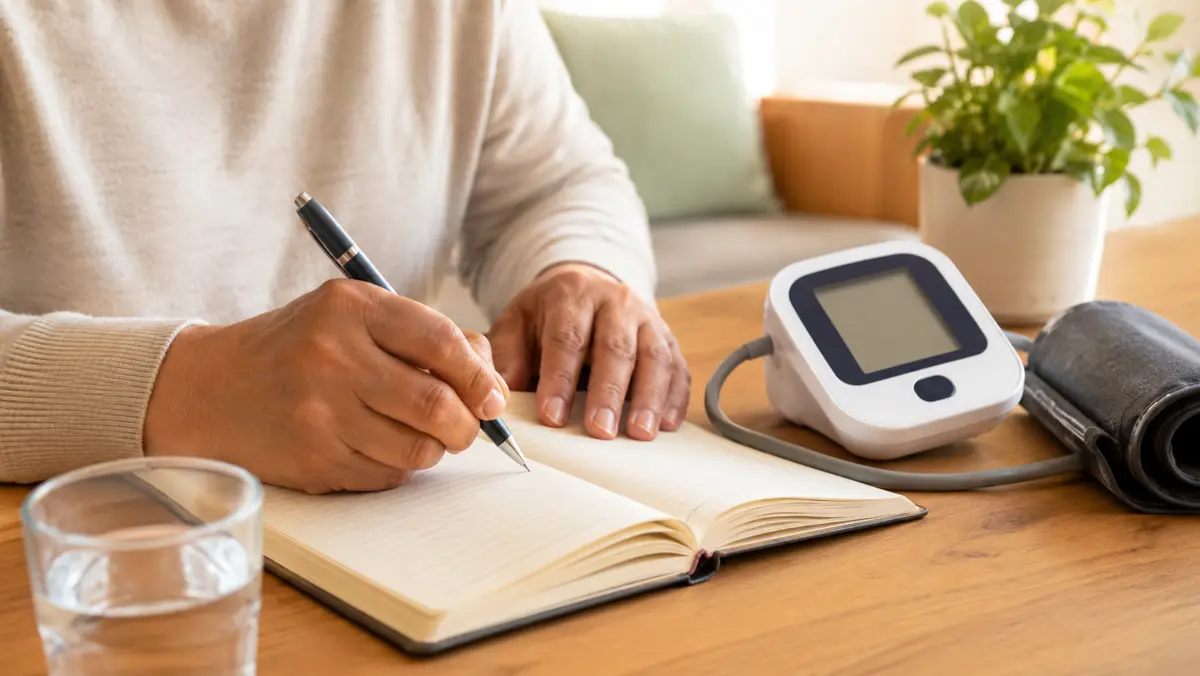
Your blood pressure is measured in millimeters of mercury (mm Hg) and has two numbers: systolic (the top number, measuring pressure when your heart beats) and diastolic (the bottom number, measuring pressure when your heart rests between beats). Normal blood pressure is generally considered less than 120/80 mm Hg.
When your blood pressure consistently stays above these normal levels, it puts extra strain on your heart and blood vessels. Over time, this constant pressure can damage the delicate lining of your arteries, making them less elastic and more prone to plaque buildup. This hardening and narrowing of arteries, called atherosclerosis, can lead to serious health problems like heart attack, stroke, kidney disease, and vision loss.
Everyday Causes and Risk Factors
Many factors can contribute to developing high blood pressure, some you can control and some you can't.
- Age: The risk of high blood pressure increases as you age.
- Family History: If your parents or close relatives have high blood pressure, you're more likely to develop it.
- Obesity: Carrying excess weight puts increased strain on your heart and circulatory system.
- Physical Inactivity: Lack of exercise contributes to weight gain and can directly raise blood pressure.
- High Sodium Diet: Too much salt can cause your body to retain fluid, increasing blood volume and pressure.
- Low Potassium Diet: Potassium helps balance sodium in your cells; not getting enough can lead to sodium buildup.
- Excessive Alcohol Consumption: Heavy drinking can damage your heart and raise blood pressure.
- Stress: While stress itself doesn't cause chronic high blood pressure, frequent or prolonged stress can contribute, especially if it leads to unhealthy coping mechanisms like overeating or smoking.
- Smoking: Nicotine temporarily raises blood pressure and damages artery walls, making them more susceptible to plaque buildup.
- Certain Chronic Conditions: Diabetes, kidney disease, and sleep apnea can increase your risk.
What Actually Helps: Lifestyle and Support
The good news is that many lifestyle adjustments can significantly help manage and even prevent high blood pressure. These are often the first line of defense recommended by doctors.
- Regular Physical Activity: Aim for at least 150 minutes of moderate-intensity aerobic exercise per week. This could be brisk walking, swimming, or cycling.
- Healthy Diet: Focus on a diet rich in fruits, vegetables, whole grains, lean protein, and low-fat dairy. The DASH (Dietary Approaches to Stop Hypertension) diet is often recommended. Limit saturated and trans fats, cholesterol, and processed foods.
- Reduce Sodium Intake: Aim for less than 2,300 milligrams of sodium per day, and ideally even lower (1,500 mg) for many adults. This means reading food labels carefully and cooking more at home.
- Limit Alcohol: If you drink alcohol, do so in moderation – up to one drink per day for women and up to two drinks per day for men.
- Maintain a Healthy Weight: Losing even a small amount of weight can make a significant difference in your blood pressure numbers.
- Manage Stress: Practice stress-reducing techniques like meditation, deep breathing, yoga, or spending time in nature.
- Quit Smoking: Smoking cessation is one of the most impactful changes you can make for your overall cardiovascular health.
Supplement Support for Cardiovascular Health
While lifestyle changes are foundational, some individuals look for additional support. Supplements designed to promote cardiovascular health can be an option to consider alongside your doctor's advice. It's crucial to remember that supplements are not a substitute for prescribed medication or a healthy lifestyle, but rather a complementary approach.
Our product, CardioClear, is a cardiovascular and circulation support formula designed with ingredients that may help support healthy blood flow and overall heart function. It aims to work by providing key nutrients that play a role in maintaining the integrity of blood vessels and supporting the body's natural processes for circulation.
For example, ingredients often found in such formulas might include antioxidants to help protect against oxidative stress, or compounds that support nitric oxide production, which helps blood vessels relax and widen. CardioClear is formulated to provide comprehensive support, but it does not treat, cure, or prevent high blood pressure itself. It is intended to be used as part of a broader health strategy.
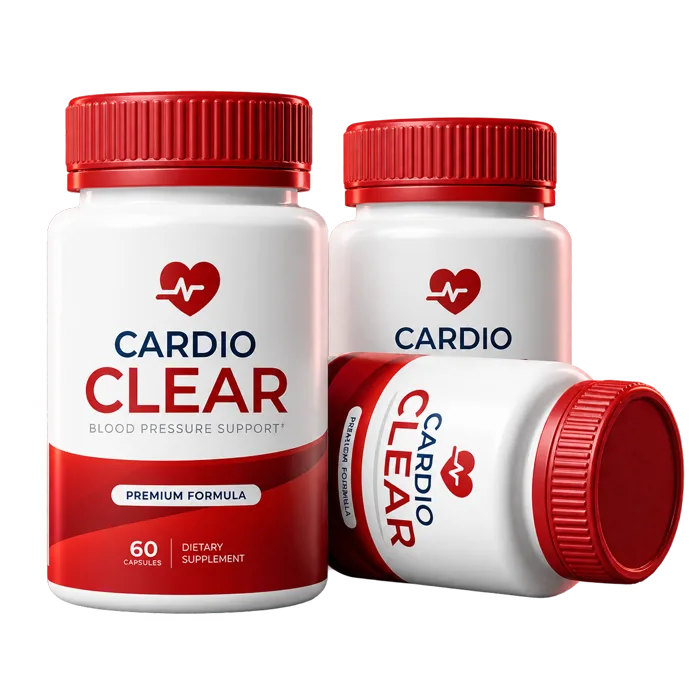
CardioClear is relevant as a supplement designed to help support the cardiovascular system and healthy circulation, which is vital for managing blood pressure and overall heart health.
- Buy 3, Get 3 Free — Lowest Price Ever$29.99/bottle
- Buy 2, Get 2 Free — Most Popular$39.99/bottle
- Buy 1, Get 1 Free$59.99/bottle
We may earn a commission at no extra cost to you.
When to See a Doctor
Given the silent nature of hypertension, regular check-ups and blood pressure screenings are essential, even if you feel perfectly healthy. If you have any risk factors for high blood pressure, your doctor may recommend more frequent monitoring.
You should seek immediate medical attention if you experience:
- A sudden, severe headache
- Severe chest pain
- Shortness of breath
- Sudden vision changes
- Numbness or weakness
- Difficulty speaking
These could be signs of a hypertensive crisis or other serious conditions requiring urgent care.
In summary, while there isn't a long list of obvious 'hypertension symptoms' for most people, being aware of the potential signs of severe blood pressure elevation is important. More importantly, prioritize regular blood pressure checks and embrace heart-healthy lifestyle choices to protect your cardiovascular health.