 Wellness Review Labs
 By
By 
When considering different approaches to weight management, the conversation often turns to medications. Specifically, many people wonder about the differences between weight loss pills and injectable treatments. The main distinction lies in how they are administered, their active ingredients, and often, the extent of weight loss they are designed to help with. Prescription injections, particularly a class of drugs called GLP-1 receptor agonists, have gained significant attention for their role in helping people achieve substantial weight loss. On the other hand, weight loss pills encompass a wider range, from prescription medications to over-the-counter supplements, each with varying mechanisms and effectiveness.
How Weight Loss Pills Work
Weight loss pills work in several ways, depending on their active ingredients. Prescription weight loss medications are approved by the FDA and typically target specific biological pathways to help reduce appetite, increase feelings of fullness, or decrease the absorption of dietary fat.
- Appetite Suppression: Some medications work on brain chemicals to help reduce hunger cravings and make you feel fuller with less food.
- Fat Absorption Blockers: Others might interfere with the enzymes that break down fat in your gut, leading to less fat being absorbed by your body.
- Metabolism Boosters: While less common for prescription pills, some over-the-counter supplements claim to gently support metabolism, though strong scientific evidence for significant weight loss from this mechanism is often limited.
Over-the-counter (OTC) weight loss pills and supplements fall into a different category. These are not regulated by the FDA in the same way as prescription drugs, meaning their efficacy and safety may not be as rigorously tested. Many OTC options contain ingredients like caffeine, green tea extract, or fiber, aiming to support metabolism or promote feelings of fullness. Their effects are typically modest and vary widely among individuals.
How Weight Loss Injections Work
Weight loss injections primarily refer to a class of prescription medications known as GLP-1 receptor agonists. These drugs mimic a natural hormone in your body called glucagon-like peptide-1 (GLP-1), which matters in appetite regulation and blood sugar control. They are administered via injection, typically once a week or once a day, depending on the specific medication.
- Slowing Gastric Emptying: GLP-1 agonists help food stay in your stomach longer, contributing to a feeling of fullness and potentially reducing how much you eat.
- Reducing Appetite: They act on specific areas of the brain that control appetite, leading to decreased hunger and fewer cravings.
- Improving Blood Sugar Control: While primarily for weight loss, these medications also help regulate blood sugar levels, which is beneficial for overall metabolic health.
These injections are generally prescribed for individuals with obesity or those who are overweight with at least one weight-related health condition, such as high blood pressure or type 2 diabetes. They are often part of a comprehensive weight management plan that includes diet and exercise.

Key Differences and Considerations
- Mechanism of Action: Injections (GLP-1 agonists) primarily focus on appetite regulation and gastric emptying. Pills can have diverse mechanisms, from appetite suppression to fat absorption blocking.
- Prescription Status: Most effective weight loss injections are prescription-only. Pills can be prescription or over-the-counter, with varying levels of regulation and evidence.
- Efficacy: GLP-1 injections have shown significant weight loss results in clinical trials, often more substantial than many prescription pills. OTC pills generally offer modest or no significant weight loss.
- Administration: Pills are taken orally. Injections require self-administration with a pen-like device.
- Side Effects: Both can have side effects. Common side effects for GLP-1 injections include nausea, vomiting, diarrhea, or constipation. Prescription pills also have specific side effect profiles that your doctor will discuss.
- Cost and Coverage: Both can be expensive. Insurance coverage varies widely and often depends on your medical necessity and diagnosis.
Choosing a weight management strategy is highly personal. What works well for one person might not be the right fit for another. It's about finding a sustainable path that supports your overall health.— Someone prioritizing their health
The Foundation: Lifestyle Changes
No matter what medical interventions you consider, it's crucial to remember that diet, exercise, and other lifestyle factors form the bedrock of sustainable weight management. Medications are designed to be tools to support these efforts, not replace them.
- Balanced Nutrition: Focus on whole, unprocessed foods. Prioritize lean proteins, plenty of vegetables and fruits, and healthy fats. Reducing sugary drinks and highly processed snacks can make a significant difference.
- Regular Physical Activity: Aim for a combination of cardiovascular exercise (like brisk walking, swimming, or cycling) and strength training. Even short, consistent bursts of activity throughout the day add up.
- Adequate Sleep: Poor sleep can disrupt hormones that regulate appetite, making weight management more challenging. Aim for 7-9 hours of quality sleep per night.
- Stress Management: Chronic stress can also influence appetite and metabolism. Practices like mindfulness, meditation, or spending time in nature can help.
These foundational habits are powerful on their own and can significantly enhance the effectiveness of any medication or supplement you might use.
Considering a Complementary Approach: Daily Drink Powders
For those looking for daily support for their metabolism and weight goals, alongside a healthy lifestyle, certain dietary supplements can play a role. These are generally not designed for drastic weight loss like prescription medications, but rather to help support the body's natural processes.
One such option is a daily drink powder like SlimSoda Powder. It's positioned to help support a healthy metabolism and overall weight management. Many people find a daily routine, like mixing a powder into water, to be an easy way to incorporate additional support into their day. SlimSoda Powder, for example, is designed to be a simple addition to your morning routine, offering ingredients that may help support metabolic function. It's important to remember that such products are intended to complement, not replace, a balanced diet and regular exercise. They offer a convenient way to potentially give your body an extra edge in its daily metabolic processes.
The Verdict
For individuals seeking a supportive aid in their weight management journey, SlimSoda Powder offers a convenient option. Its 90-day money-back guarantee provides a risk-free way to assess if it aligns with your personal wellness goals, particularly if you prefer a non-injection approach.
Who This Is For — And Who It Is Not
- Individuals looking for a daily supplement to support metabolism.
- Those who prefer a powdered supplement over pills or injections.
- People committed to a holistic approach including diet and exercise.
- Anyone interested in a product with a money-back guarantee.
- Anyone with significant health concerns that require medical supervision.
- Individuals expecting rapid or dramatic weight loss without lifestyle changes.
- People currently on prescription weight management medication.
- Those who need to address underlying medical conditions contributing to weight.
What We Could Not Verify
We say this plainly because most pages in this category do not. Here is what we could not independently confirm about SlimSoda Powder:
- The specific ingredients and their individual dosages.
- Any independent clinical studies on SlimSoda Powder itself.
- The exact mechanism by which it supports metabolism.
- The average weight loss experienced by users.
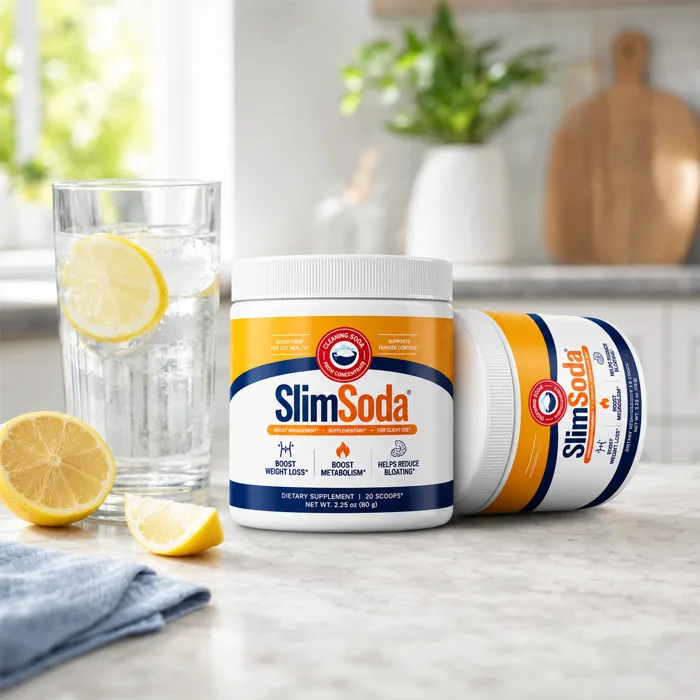
SlimSoda Powder is relevant as a daily drink powder that can complement lifestyle changes by supporting metabolism and weight goals, offering an additional option for those exploring various forms of weight management support.
- Buy 3, Get 3 Free — Lowest Price Ever$19.99/bottle
- Buy 2, Get 2 Free — Most Popular$27.49/bottle
- Buy 1, Get 1 Free$44.75/bottle
We may earn a commission at no extra cost to you.
Making an Informed Decision
Deciding between weight loss pills, injections, or other supportive measures should always start with a conversation with your healthcare provider. They can assess your individual health status, medical history, potential risks, and help you determine the most appropriate and safest path forward. They can also discuss potential side effects, interactions with other medications, and monitor your progress. Remember, there's no single 'best' solution; the most effective approach is one that is tailored to you.