 Wellness Review Labs
 By
By 
A slow metabolism causes weight gain because your body burns fewer calories to perform basic survival functions and daily movements, leaving excess energy to be stored as body fat. When your basal metabolic rate drops, eating the same amount of food you always have creates an unintentional caloric surplus. Over months and years, this biological imbalance leads to steady weight gain, even if your eating habits have not changed at all.
For adults over 45, this shift often feels abrupt, but it is typically the cumulative result of subtle physiological changes. Understanding the mechanics behind energy expenditure is the first step toward making informed, effective decisions about your health and weight management strategy.
Understanding the Energy Equation: Basal Metabolic Rate Explained
To understand how a slow metabolism gain weight scenario develops, it helps to look at how your body consumes energy every day. Total daily energy expenditure consists of three main components: basal metabolic rate, the thermic effect of food, and physical activity.
Your basal metabolic rate (BMR) accounts for roughly 60% to 75% of all calories burned in a 24-hour period. This is the energy required simply to keep your heart pumping, lungs breathing, cells repairing, and organs functioning while you are completely at rest. When your BMR slows down, your baseline burning power shrinks significantly.
- Basal Metabolic Rate (BMR): Caloric cost of vital life functions at complete rest.
- Thermic Effect of Food (TEF): Energy used to digest, absorb, and metabolize nutrients (roughly 10% of total expenditure).
- Physical Activity Thermogenesis: Calories burned through deliberate exercise and general daily movement.
Imagine your metabolic rate drops by just 150 calories per day due to reduced basal output. If your food intake remains constant, that small daily surplus adds up to over 1,000 unburned calories each week. Over a year, that slight mismatch can easily translate into ten or more pounds of added body fat.
Why Does Metabolism Slow Down as We Age?
Metabolic deceleration is rarely caused by a single factor. Instead, it is usually driven by a combination of biological changes, lifestyle shifts, and metabolic adaptations.
1. Age-Related Muscle Loss (Sarcopenia)
Starting around age 30, adults lose approximately 3% to 8% of their muscle mass per decade, a rate that accelerates after age 60. Because lean muscle tissue is far more metabolically active than adipose tissue, losing muscle directly lowers your 24-hour baseline calorie burn.
2. Hormonal Fluctuations
Hormones serve as the chemical directors of metabolic speed. Changes in thyroid hormone production can reduce cellular metabolic output. Furthermore, age-related declines in estrogen, progesterone, and testosterone alter energy partitioning, encouraging the body to store fat around the abdomen rather than utilize it for active fuel.
3. Adaptive Thermogenesis from Past Weight Loss
If you have a history of severe calorie-restricted diets, your body may have initiated a protective survival response known as adaptive thermogenesis. During extended periods of severe caloric restriction, the body becomes highly efficient, lowering its energy output to conserve resources. Unfortunately, this metabolic slowing can persist long after the diet ends.
4. Decline in Daily Non-Exercise Activity
As people age or shift to more sedentary occupations, non-exercise activity thermogenesis (NEAT)—the calories burned through standing, pacing, cooking, and fidgeting—declines sharply. This subtle drop in daily movement removes a vital outlet for burning excess energy.

Practical Ways to Support Your Daily Metabolic Rate
While biological aging is inevitable, a slow metabolism is not entirely out of your control. Specific daily adjustments can help preserve lean muscle mass and promote efficient energy expenditure.
- Engage in Consistent Resistance Training: Lifting weights or using bodyweight exercises two to three times per week helps build and maintain lean muscle, protecting your resting metabolic rate.
- Increase Dietary Protein Intake: Protein requires more energy to digest than carbohydrates or fats, boosting your thermic effect of food while providing amino acids necessary for muscle repair.
- Prioritize Quality Sleep: Chronic sleep deprivation disrupts appetite-regulating hormones like ghrelin and leptin, often lowering metabolic motivation and increasing food cravings.
- Maintain Daily Hydration: Mild dehydration can impair cellular functioning and slow down metabolic processes involved in energy conversion.
- Incorporate Regular Movement Breaks: Standing, walking, and moving every hour keeps your body's energy pathways engaged throughout the working day.
Preserving lean tissue through strength training and adequate protein intake remains the single most effective way to protect baseline calorie burn as you age.— Wellness Review Labs Editorial Team
Exploring Daily Supplements: Where AlkaBurn Fits In
For individuals who have already instituted diet and exercise modifications, adding a daily dietary supplement can serve as an additional layer of support. One option currently available in the weight-management space is AlkaBurn.
AlkaBurn comes in convenient capsule form and is designed to support metabolism and appetite. According to manufacturer positioning, the product helps promote satiety and healthy weight management when combined with balanced eating and movement routines.
It is important to maintain realistic expectations regarding any dietary formula. AlkaBurn is not a magical fix, nor does it replace the physiological necessity of healthy food choices and physical movement. Instead, it is formulated to offer structured daily weight-management support for those actively working on their wellness goals.
The manufacturer does not publicly disclose its detailed ingredient panel, so individuals with specific ingredient sensitivities should carefully review product documentation upon arrival. Furthermore, because individual responses to dietary products vary, safety precaution is essential.
Medical Notice: Readers with high blood pressure, heart conditions, those taking prescription medications, or anyone sensitive to stimulants should consult their primary physician before starting AlkaBurn or any new weight-support supplement.
AlkaBurn is available directly through its official website in 2-, 3-, and 6-bottle packages. Because package pricing changes periodically based on promotions, consumers should check the official storefront for current package pricing. Purchases are covered by a 60-day money-back guarantee, allowing customers to try the capsules with consumer protection in place.
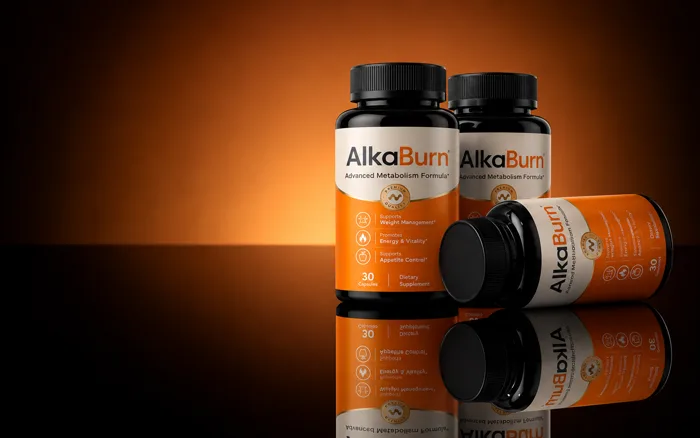
Addresses how slow metabolism causes weight gain after 45 and introduces AlkaBurn capsules as a daily weight-management option to complement exercise and balanced nutrition.
- 6-Bottle Package — Lowest Price Per Bottlebest value/bottle
- 3-Bottle Package — Most Popularmost popular/bottle
- 2-Bottle Packagestarter/bottle
We may earn a commission at no extra cost to you.
Realistic Expectations for Sustainable Weight Management
Reversing the trend of metabolic weight gain requires patience and consistency. Quick-fix approaches that involve extreme caloric deprivation often backfire by further reducing resting energy expenditure. Instead, focus on building sustainable habits that support your body's natural energy balance.
Combine strength-focused exercise, nutrient-dense whole foods, adequate rest, and daily hydration. When used alongside these foundational health principles, support tools like AlkaBurn can help you stay consistent on your path toward optimal weight management.