 Wellness Review Labs
 By
By 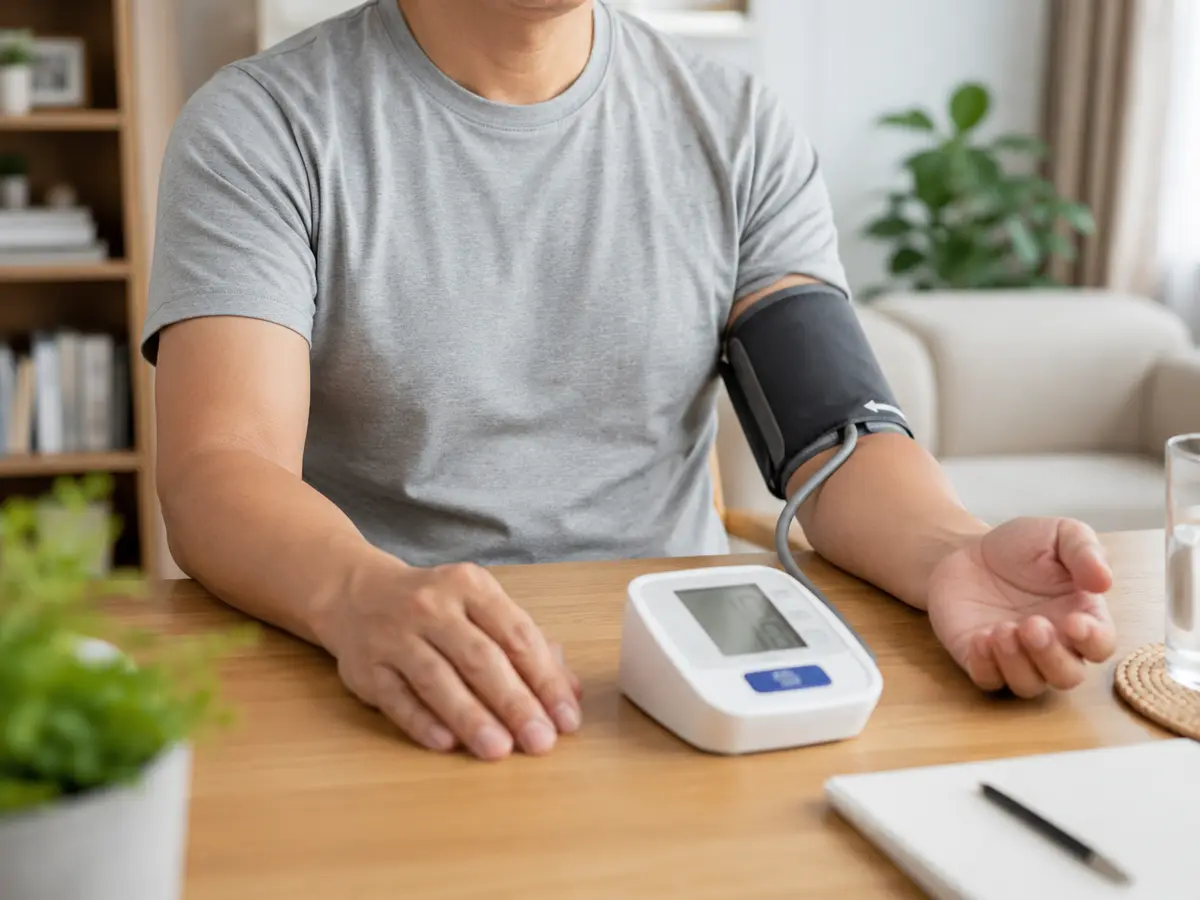
For many people, the idea of checking blood pressure can feel a bit daunting. You might remember the old mercury sphygmomanometers, or perhaps you've only ever had your blood pressure taken by a nurse. But with the rise of reliable home monitors, taking charge of your numbers has become much more accessible. The key, however, is doing it correctly.
Why Accurate Blood Pressure Matters
Your blood pressure is a fundamental indicator of your cardiovascular health. It measures the force of your blood against the walls of your arteries as your heart pumps it around your body. When this force is consistently too high, it's called hypertension, and it can put a significant strain on your heart and blood vessels over time. This strain increases your risk for serious health issues like heart attack, stroke, kidney disease, and even vision problems.
Regularly monitoring your blood pressure, especially if you're over 40 or have risk factors, helps you and your doctor spot potential issues early. It also allows you to see how lifestyle changes or medications are affecting your numbers.
Choosing the Right Blood Pressure Monitor
When it comes to home blood pressure monitors, you'll find a few different types. For most people, an automatic, upper-arm cuff monitor is the recommended choice. These are generally the most accurate and easiest to use.
- Upper-Arm Monitors: These are considered the gold standard for home use. They wrap around your bicep, at heart level, and automatically inflate and display your readings. Look for one with a cuff that fits your arm size – most come with a standard size, but larger or smaller cuffs are available.
- Wrist Monitors: While convenient, wrist monitors can be less accurate than upper-arm models because their position relative to your heart can vary more easily. If you use one, it's crucial to hold your wrist at heart level during the measurement.
- Finger Monitors: These are generally not recommended for accurate blood pressure measurement and should be avoided for routine monitoring.
When buying, look for a monitor that has been clinically validated. Many reputable brands will state this clearly on their packaging or website. Your pharmacist or doctor can also offer recommendations.

How to Take an Accurate Blood Pressure Reading at Home
Even with the best monitor, technique is everything. Follow these steps for reliable readings:
- Prepare Yourself: For at least 30 minutes before measuring, avoid caffeine, alcohol, tobacco, and strenuous exercise. Empty your bladder. Sit quietly for 5 minutes before taking the reading.
- Sit Correctly: Sit in a chair with your back supported and your feet flat on the floor, uncrossed. Your arm should be resting on a table or armrest so that the cuff is at heart level.
- Position the Cuff: Place the cuff directly on your bare skin (no clothing underneath). The bottom edge of the cuff should be about 1 inch above the bend of your elbow.
- Take Multiple Readings: Take two or three readings, one minute apart, and record the average. This helps account for natural fluctuations. Take readings at the same time each day, such as in the morning before medication and in the evening.
- Keep a Record: Write down your readings (date, time, systolic, diastolic, and pulse) or use your monitor's memory function. This log is valuable for your doctor.
“I used to just take one reading and think that was it. Once I started taking a few readings and averaging them, I felt much more confident in the numbers I was seeing.”— A regular user of a home blood pressure monitor
Understanding Your Numbers
Your blood pressure reading consists of two numbers:
- Systolic Pressure (Top Number): This is the pressure in your arteries when your heart beats.
- Diastolic Pressure (Bottom Number): This is the pressure in your arteries when your heart rests between beats.
Here’s a general guide to what the numbers mean for most adults:
- Normal: Less than 120/80 mmHg
- Elevated: Systolic between 120-129 and diastolic less than 80 mmHg
- High Blood Pressure (Hypertension) Stage 1: Systolic between 130-139 or diastolic between 80-89 mmHg
- High Blood Pressure (Hypertension) Stage 2: Systolic 140 or higher or diastolic 90 or higher mmHg
- Hypertensive Crisis: Systolic higher than 180 and/or diastolic higher than 120 mmHg (Seek immediate medical attention)
Remember, a single high reading doesn't necessarily mean you have high blood pressure. It's the consistent readings over time that provide the real picture. Always discuss your readings with your doctor.
Beyond Measurement: Supporting Healthy Blood Pressure
While accurate measurement is vital, it's just one piece of the puzzle. Maintaining healthy blood pressure often comes down to lifestyle choices. These foundational steps can make a significant difference:
- Balanced Diet: Focus on fruits, vegetables, whole grains, and lean proteins. Limit processed foods, unhealthy fats, and sodium.
- Regular Exercise: Aim for at least 150 minutes of moderate-intensity aerobic activity or 75 minutes of vigorous activity each week.
- Maintain a Healthy Weight: Losing even a small amount of weight can positively impact blood pressure.
- Manage Stress: Chronic stress can contribute to higher blood pressure. Find healthy ways to cope, such as meditation, yoga, or hobbies.
- Limit Alcohol: Excessive alcohol consumption can raise blood pressure.
- Quit Smoking: Smoking significantly damages blood vessels and raises blood pressure.
For some, dietary changes and exercise may not be enough, or they may want additional support for their cardiovascular system. In such cases, your doctor might discuss medication, and some people choose to explore natural supplements as a complementary approach.
One such option is CardioClear, a cardiovascular and circulation support formula. Ingredients often found in such formulas might include things like hawthorn, garlic, or hibiscus, which are traditionally used to support heart health and blood flow. CardioClear is designed to promote healthy circulation and support overall cardiovascular function. It's important to understand that a supplement like CardioClear is not a replacement for lifestyle changes or prescribed medication, nor does it treat, cure, or prevent any disease. It's intended as a dietary support. Always talk to your doctor before adding any new supplement to your routine, especially if you are on medication or have existing health conditions.
The Verdict
While CardioClear offers a money-back guarantee, the lack of transparency regarding its ingredients makes it difficult to assess its potential benefits for blood pressure support. We cannot recommend a product without knowing its full composition. For those seeking to support their cardiovascular health, we advise prioritizing products with clearly disclosed ingredients and established scientific backing.
Who This Is For — And Who It Is Not
- Individuals interested in a general supplement for cardiovascular support
- Those who prioritize a money-back guarantee
- People who are comfortable trying supplements without full ingredient transparency
- Anyone with diagnosed high blood pressure or other cardiovascular conditions; consult a doctor instead.
- Individuals who require specific ingredient information due to allergies or other health concerns.
- Those expecting rapid or dramatic changes in blood pressure readings.
- Anyone seeking a replacement for prescribed medication or medical advice.
What We Could Not Verify
We say this plainly because most pages in this category do not. Here is what we could not independently confirm about CardioClear:
- The specific ingredients and their dosages within the CardioClear formula.
- Independent clinical studies supporting the efficacy of this particular formulation for blood pressure support.
- The mechanism by which CardioClear is designed to promote cardiovascular health without knowing its components.
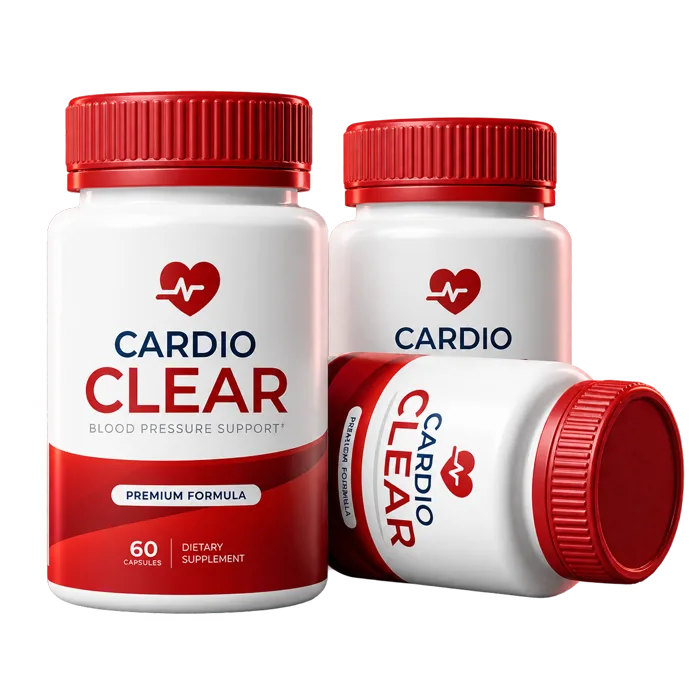
CardioClear is introduced as a complementary option for supporting overall cardiovascular health and circulation, which is relevant to maintaining healthy blood pressure.
- Buy 3, Get 3 Free — Lowest Price Ever$29.99/bottle
- Buy 2, Get 2 Free — Most Popular$39.99/bottle
- Buy 1, Get 1 Free$59.99/bottle
We may earn a commission at no extra cost to you.
Final Thoughts on Monitoring Your Heart Health
Taking charge of your blood pressure measurements at home empowers you to be an active participant in your health journey. By understanding the proper techniques and the meaning of your numbers, you can have more informed conversations with your doctor and make proactive choices to support your cardiovascular well-being. Remember, consistency and open communication with your healthcare provider are your best tools.