 Wellness Review Labs
 By
By 
Is losing belly fat actually possible as we age, or is it an inevitable part of growing older? The short answer is that yes, it is entirely possible, but the strategy must change as our biology changes. Many people approach midsection weight loss with the same methods they used in their twenties—such as extreme calorie restriction or hours of high-intensity cardio. However, these methods often backfire in midlife because they do not address the underlying hormonal and metabolic shifts that govern how our bodies store energy.
To understand how to address this, we have to look at the two types of fat in the abdominal area. Subcutaneous fat is the soft layer right beneath your skin that you can pinch. While it can be frustrating from an aesthetic standpoint, it is relatively harmless to your systemic health. Visceral fat, on the other hand, is the deep abdominal fat that wraps around your internal organs, such as your liver and intestines. This deep fat is highly active metabolically, meaning it constantly releases hormones and inflammatory signals into your bloodstream.
Because visceral fat is so active, it actually responds more quickly to positive lifestyle modifications than subcutaneous fat does. When you make targeted changes to your daily movement, sleep patterns, and nutritional intake, your body often mobilizes visceral fat first to use for energy. Therefore, while your waistline might feel stubborn, your deep abdominal fat is actually highly responsive to the right kind of metabolic stimulation.
Why Your Body Stores Fat Differently in Midlife
As we cross into our late 40s and 50s, several natural physiological changes alter how our bodies manage fat. For women, the transition through perimenopause and menopause leads to a significant drop in estrogen levels. Estrogen naturally encourages fat storage in the hips and thighs to support childbearing years. When estrogen declines, the body shifts its primary storage site to the abdomen. This explains why many women notice a sudden change in their body shape even if their overall weight remains stable.
For men, a gradual but steady decline in testosterone levels—about one percent per year after age 30—produces a similar metabolic shift. Lower testosterone levels are associated with increased visceral fat accumulation and a decrease in lean muscle mass. This brings us to another critical factor: sarcopenia, the age-related loss of muscle tissue.
Starting around age 30, adults can lose between three and eight percent of their muscle mass per decade, and this rate accelerates after age 60. Because muscle tissue is highly active and burns calories even when you are resting, losing muscle directly lowers your basal metabolic rate. If your daily caloric intake remains the same as your muscle mass declines, those unused calories are increasingly stored as visceral fat. Additionally, chronic stress elevates cortisol levels, a hormone that actively signals your body to store fat deep within the abdomen.
Practical Strategies to Support a Healthy Waistline
Addressing abdominal fat does not require expensive gym memberships or extreme lifestyle overhauls. Instead, sustainable success comes from small, daily adjustments that target muscle preservation and stress reduction. These free, behavioral strategies form the foundation of any successful weight-management plan.
- Incorporate resistance training: Focus on bodyweight exercises, resistance bands, or light dumbbells two to three times per week to preserve lean muscle mass.
- Prioritize quality sleep: Aim for seven to eight hours of sleep nightly to regulate hunger hormones like ghrelin and leptin.
- Manage daily stress: Practice deep breathing, daily walking, or mindfulness to help keep cortisol levels in check.
- Stay active throughout the day: Increase non-exercise activity, such as taking the stairs or standing during phone calls, to boost daily energy expenditure.
The goal of these strategies is to create a supportive environment for your metabolism. By maintaining your muscle mass, you prevent the natural decline in your resting metabolic rate, making it much easier for your body to manage energy balance without resorting to extreme, unsustainable diets.

Nutrition Habits That Encourage Metabolic Balance
When it comes to your diet, extreme restriction is counterproductive because it can trigger your body to conserve energy and burn muscle tissue. Instead of focusing solely on what to eliminate, focus on adding foods that naturally support metabolic health and satiety.
Increase your intake of soluble fiber, which is found in foods like oats, flaxseeds, avocados, legumes, and Brussels sprouts. Soluble fiber absorbs water and forms a gel that slows down the passage of food through your digestive system. This slow digestion prevents sharp spikes in blood glucose and insulin, helping your body remain in a state where it can access stored fat for fuel. Consistent intake of soluble fiber is directly associated with a lower accumulation of visceral fat over time.
Additionally, ensure you are eating adequate protein at each meal. Protein has a high thermic effect of food, meaning your body expends more energy digesting it compared to fats or carbohydrates. More importantly, protein provides the building blocks necessary to preserve your lean muscle mass during weight-management efforts. Excellent sources include poultry, fish, eggs, tofu, tempeh, and legumes.
A Targeted Daily Option: AlkaBurn
For those who have established consistent nutrition and movement habits, a daily support supplement can sometimes serve as a helpful addition. AlkaBurn is a daily weight-management support formula delivered in capsule format. It is designed to promote satiety, support your metabolism, and help manage appetite as you work toward your health and wellness goals.
It is important to note that the manufacturer of AlkaBurn does not publish its full ingredient list. If you are someone who prefers to research every specific herbal extract or mineral in a formula before consuming it, this lack of transparency is an important factor to consider. However, for those looking for a simple, daily capsule designed to complement an active lifestyle, it offers a straightforward approach to appetite and metabolic support.
Keep in mind that no supplement can replace the foundational habits of a balanced diet and regular physical activity. AlkaBurn is designed to support your body's natural processes, not to produce weight loss on its own without effort. It should be viewed as one option among several in your overall wellness toolkit.
If you decide to try the product, it is available in 2-, 3-, and 6-bottle packages to suit your personal goals. Because prices can fluctuate based on promotions and supply, you can find the current package pricing on their official purchasing page. The manufacturer provides a 60-day money-back guarantee, allowing you to try the product and determine if it fits your daily routine without a long-term financial commitment.
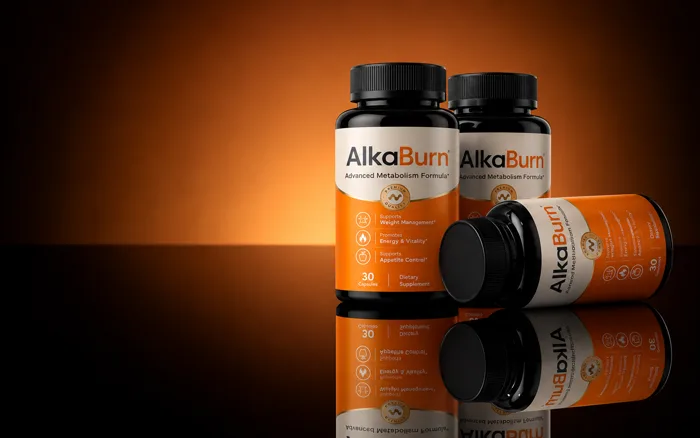
AlkaBurn is a daily weight-management capsule designed to support metabolism and appetite, offering a convenient option for those looking to complement their active lifestyle and dietary changes.
- 6-Bottle Package — Lowest Price Per Bottlebest value/bottle
- 3-Bottle Package — Most Popularmost popular/bottle
- 2-Bottle Packagestarter/bottle
We may earn a commission at no extra cost to you.
Setting Realistic Expectations and Milestones
Managing expectations is crucial when focusing on abdominal weight. The concept of spot reduction—losing fat from one specific area of the body through targeted exercises—is a persistent myth. Doing hundreds of crunches will strengthen your abdominal muscles, but it will not selectively burn the fat overlying those muscles. Your body loses fat systemically, drawing energy from various stores based on your genetics and hormonal profile.
I stopped focusing so much on the daily scale numbers and started paying attention to how my waistbands felt. Over three months of consistent strength training and better sleep, my clothes fit comfortably again, even though my weight only shifted slightly.— Illustrative experience of a midlife wellness journey
Instead of relying solely on the bathroom scale, use more reliable indicators of progress. Pay attention to how your clothing fits around your waist and hips. Take note of your daily energy levels, your physical stamina during workouts, and the quality of your sleep. These positive changes are clear signs that your metabolic health is improving, even if the scale fluctuates from day to day. Consistency over weeks and months is what leads to lasting, sustainable shifts in body composition.