 Wellness Review Labs
 By
By 
If you have noticed that the exact same routines you used in your thirties no longer budge the scale, you are not imagining things. The human body undergoes a series of quiet, predictable shifts once we cross the threshold into our forties and fifties. Understanding these biological changes is the first step toward working with your physiology instead of constantly fighting against it. When you know why your body behaves differently, you can stop blaming yourself for a lack of discipline and start adopting strategies that actually match your current life stage.
For decades, conventional diet culture has preached a simple formula: eat less, move more. While energy balance remains a foundational physical principle, that formula becomes frustratingly incomplete as we age. Your internal thermostat adjusts, your cellular responses to food evolve, and your daily energy demands shift. Let us take a closer look at the mechanical reasons why weight management feels different now, and more importantly, how you can adjust your habits to regain control of your health and vitality.
The Real Culprit: Declining Muscle Mass
The most significant driver of midlife metabolic change is a gradual, natural process called sarcopenia. Starting around age 30, adults can lose anywhere from 3% to 8% of their muscle mass every decade, and that rate often accelerates after age 40 if proactive steps are not taken to preserve it.
Muscle tissue is metabolically active; it requires energy just to exist, meaning it burns significantly more calories at rest than fat tissue does. When your overall muscle mass declines quietly in the background, your total daily energy expenditure drops right along with it. If you keep eating the exact same number of calories you did a decade ago while your resting metabolic rate has dipped, your body now has a small daily surplus that it routinely stores as fat. This subtle shift accumulates over months and years, explaining why clothes begin to feel tighter even when your daily habits have not noticeably changed.
Hormonal Shifts and Fat Distribution
Hormones act as powerful chemical messengers that tell our bodies where to store energy, how efficiently to burn fuel, and how to signal hunger or fullness. In our forties and fifties, these chemical messengers start shifting significantly, altering our internal landscape:
- Perimenopause and Menopause: Declining estrogen levels in women often prompt a distinct shift in fat storage from the hips and thighs toward the visceral abdominal area, surrounding internal organs.
- Andropause: Men experience a gradual, steady decline in testosterone levels over time, which can similarly reduce lean muscle mass and increase midsection fat storage.
- Insulin Sensitivity: Many adults become slightly more insulin resistant with age, meaning the body handles carbohydrates and blood sugar regulation differently than it did in younger years.
These hormonal transformations are entirely natural parts of human development, but they require a pivot in strategy. Because insulin resistance and changing sex hormones alter how your body processes macronutrients, relying solely on extreme calorie restriction often backfires, leading to muscle loss rather than fat loss.

The Sleep and Stress Factor
Midlife is frequently accompanied by a unique storm of high life stress—balancing careers, caring for aging parents, managing finances, and dealing with shifting family dynamics. At the same time, natural sleep architecture tends to degrade due to nighttime waking, joint discomfort, temperature fluctuations, or hormonal shifts.
Poor sleep quality and chronic daily stress combine to elevate cortisol, our primary stress hormone. Persistently high cortisol levels can powerfully increase appetite, particularly driving cravings for sugary, starchy, or high-fat comfort foods that provide quick bursts of energy. Furthermore, elevated cortisol encourages the body to store visceral fat around the abdomen. Breaking this exhausting cycle of poor sleep, high stress, and increased appetite is often far more crucial for midlife weight management than cutting another hundred calories from an already restrictive diet.
Once I stopped punishing myself for not getting the results I did at thirty, I started focusing on protein and sleep. That changed everything.— Reader from our community survey
What Actually Helps After 40
While your biology shifts against you in some ways, you are far from powerless. Shifting your daily strategy to address midlife physiology yields much better, more sustainable results than repeating the restrictive dieting cycles of your past:
- Prioritize Protein: Aim for adequate protein intake at every single meal to support remaining muscle tissue, stabilize blood sugar, and promote natural satiety throughout the day.
- Lift Weights: Cardiovascular exercise is wonderful for heart health and endurance, but resistance training—using free weights, resistance bands, or bodyweight exercises—is absolutely essential to rebuild and preserve precious muscle mass.
- Manage Recovery: Treat deep sleep and stress reduction as non-negotiable pillars of your daily health routine rather than optional afterthoughts.
Consistency in these foundational areas creates a stable internal environment where your body feels safe to release stored fat. It is about building habits that support your metabolism rather than starving it into submission.
Where Daily Support Supplements Fit In
For individuals looking for an extra layer of structure alongside wholesome nutrition and regular physical movement, daily dietary supplements can be a helpful part of the toolkit. Products like AlkaBurn are formulated as capsules designed to support metabolism and appetite, helping promote satiety and healthy weight management as part of an active lifestyle.
A supplement is never a magic fix or a replacement for wholesome nutrition, proper hydration, and physical activity. Instead, it is designed to gently complement your existing daily efforts when you need a little extra momentum. AlkaBurn is sold in 2-, 3- and 6-bottle packages under current package pricing, and is backed by a 60-day money-back guarantee if you find it does not suit your personal routine.
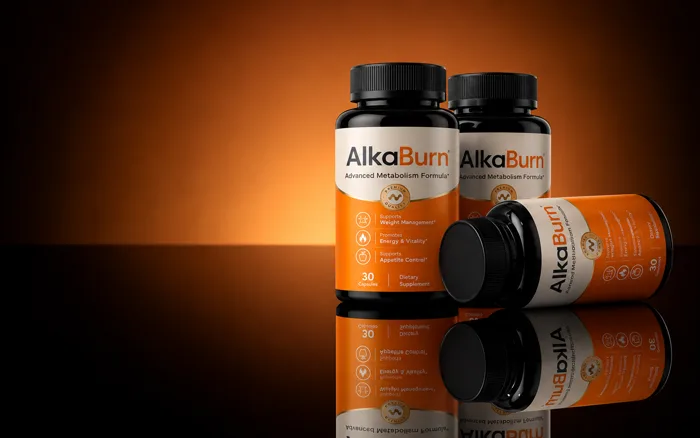
AlkaBurn provides capsule-based support for metabolism and satiety to help adults navigate the challenges of midlife weight management.
- 6-Bottle Package — Lowest Price Per Bottlebest value/bottle
- 3-Bottle Package — Most Popularmost popular/bottle
- 2-Bottle Packagestarter/bottle
We may earn a commission at no extra cost to you.