 Wellness Review Labs
 By
By 
If you have noticed your jeans fitting a little differently in your late forties or fifties, you are not imagining things. However, large-scale studies published in prominent journals like Science have upended what we thought we knew about metabolic aging. For generations, cultural lore told us that our internal engine begins to sputter the moment we hit middle age, making weight gain an inevitable consequence of simply getting older. But recent data looking at thousands of individuals across the lifespan paints a much more nuanced, and ultimately more empowering, picture of how our bodies process energy.
Understanding this timeline matters because when we misdiagnose the root cause of midlife weight changes, we often adopt the wrong solutions. If you believe your cellular machinery has simply given up, you might be tempted to slash calories to unsustainable levels, which often backfires by further eroding muscle mass and leaving you feeling exhausted and defeated. Instead, looking at the actual biological phases of energy expenditure allows us to focus our time and energy where it will genuinely make a difference to our daily vitality and long-term metabolic health.
The Four Distinct Phases of Metabolic Life
Researchers analyzing total daily energy expenditure across thousands of people found that our metabolism goes through four distinct periods across the lifespan, each characterized by very specific shifts in how our cells consume fuel relative to our body size and composition.
- Infancy (Birth to age 1): Calorie burn is at its absolute peak relative to body size. Infants have astonishing metabolic rates as their bodies build complex systems, grow rapidly, and develop foundational neural pathways.
- Childhood and Teens (Ages 1 to 20): Metabolism gradually slows down by about 3 percent each year until early adulthood. Despite this steady downward adjustment from infancy, total energy needs remain robust to support ongoing growth and high activity levels.
- Adulthood (Ages 20 to 60): Metabolism is remarkably stable. Your body burns energy at a steady rate through your thirties, forties, and fifties, defying the popular myth that middle age brings an automatic metabolic shutdown.
- Older Adulthood (Age 60 and beyond): A gradual, measurable decline begins, dropping by about 0.7 percent per year as cellular efficiency shifts and overall body composition changes over time.
So, if your metabolism is stable through middle age, why does weight management often feel harder during these years? The answer usually comes down to lifestyle shifts, subtle behavioral creep, and changing body composition rather than internal cellular collapse. Recognizing this distinction helps remove the sense of helplessness that so many adults feel when navigating their fourth and fifth decades.
Why Midlife Weight Gain Still Happens
Even though your underlying metabolic rate holds steady between twenty and sixty, other factors change dramatically during this window. These everyday shifts compound over the years, quietly altering the energy balance equation without requiring our baseline metabolism to plummet.
- Sarcopenia (Muscle Loss): Starting around age thirty, adults can lose three to eight percent of their muscle mass per decade if they do not actively resist it through movement and nutrition. Muscle burns more calories at rest than fat tissue does, meaning a loss of muscle directly reduces your daily baseline calorie burn.
- Reduced Daily Movement: Desk jobs, driving instead of walking, and leisure time centered around screens mean most of us burn significantly fewer non-exercise calories than we did in our twenties. This drop in spontaneous, everyday motion adds up significantly over weeks and months.
- Sleep and Stress: Midlife often brings demanding careers, caregiving responsibilities, and hormonal transitions. Chronic stress and poor sleep disrupt hunger hormones like ghrelin and leptin, making us crave quick-energy foods and feel less satisfied after meals.
- Dietary Shifts: Portions, convenience foods, and liquid calories can quietly creep up over the years. Even small, unmeasured daily surpluses in calorie intake accumulate into noticeable changes over a span of several years.

Practical Ways to Support Your Metabolism Today
You cannot stop the biological clock, but you have a tremendous amount of influence over how your body burns energy and maintains vitality. Instead of looking for a quick fix or an overnight solution, focusing on sustainable, everyday habits yields the most reliable results for long-term health.
- Prioritize Resistance Training: Lifting weights, using resistance bands, or doing bodyweight exercises two to three times a week helps preserve and build metabolically active muscle tissue, directly countering age-related muscle loss.
- Increase Dietary Protein: Protein has a higher thermic effect of food than carbohydrates or fats, meaning your body burns more energy digesting it. It also protects muscle mass during weight management and promotes long-lasting feelings of fullness.
- Increase NEAT: Non-Exercise Activity Thermogenesis—walking, gardening, taking stairs—makes up a huge portion of your daily calorie burn. Aim for regular movement breaks throughout the day rather than relying solely on structured workouts.
- Get Quality Sleep: Aim for seven to eight hours nightly to keep hunger regulation steady, support muscle recovery, and help your body manage daily stress more effectively.
People spend too much time worrying about a mythical metabolic crash at forty, and not enough time focusing on the simple strength and movement habits that preserve vitality.— Independent Health Researcher, Wellness Review Labs
Exploring Daily Weight-Management Support
For adults looking for an extra layer of daily routine support alongside healthy eating and regular movement, targeted supplements can be part of the toolkit. Products like AlkaBurn are designed to support metabolism and appetite, helping to promote satiety and healthy weight management for adults who find consistency difficult amidst busy modern schedules.
It is important to be clear about what capsules like this can and cannot do. No supplement replaces the fundamentals of movement, protein, and sleep. AlkaBurn does not guarantee rapid weight loss or work without lifestyle effort. It is sold in 2-, 3-, and 6-bottle packages (with current package pricing varying by selection) and is backed by a 60-day money-back guarantee.
Important safety note: If you have high blood pressure, a heart condition, take prescription medication, or are sensitive to stimulants, always consult your physician before starting any new weight-support supplement.
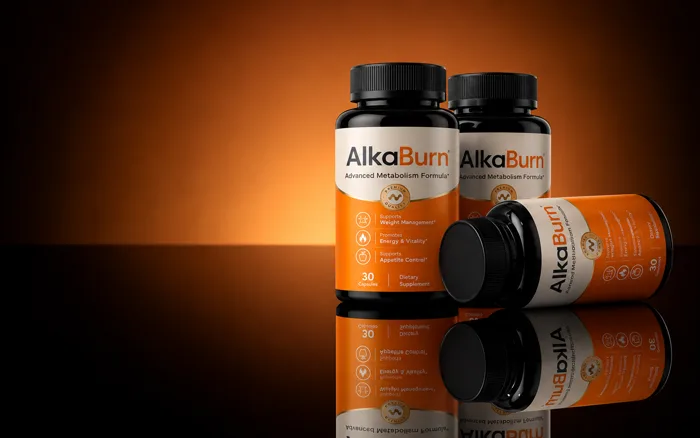
AlkaBurn is introduced as a capsule-based daily support option for adults navigating midlife metabolism shifts, focusing on appetite and satiety alongside lifestyle foundations.
- 6-Bottle Package — Lowest Price Per Bottlebest value/bottle
- 3-Bottle Package — Most Popularmost popular/bottle
- 2-Bottle Packagestarter/bottle
We may earn a commission at no extra cost to you.