 Wellness Review Labs
 By
By 
If you have noticed that your weight creeps up more easily these days, or that the old routines of eating less and moving a bit more simply do not work the way they used to, you are not imagining things. Metabolic slowdown is a very real physiological shift that most adults face in mid-life and beyond. It can alter how you fit into your favorite clothes, how you recover from a weekend of gardening, and how alert you feel by two o'clock in the afternoon.
Understanding this shift is the first step toward working with your biology rather than fighting against it. When we understand the precise biological gears turning beneath the surface, we can stop blaming ourselves for a lack of willpower and instead adopt targeted strategies that address the root causes of reduced caloric expenditure.
The Basic Mechanics: How Metabolism Changes Over Time
Your metabolism is essentially the engine that keeps your body running. It encompasses all the chemical processes that convert what you eat and drink into usable energy. When people talk about a slow metabolism, they are usually referring to a drop in their basal metabolic rate (BMR)—the number of calories your body burns just to keep you breathing, maintain your heartbeat, and regulate your temperature while at rest. This resting burn accounts for the vast majority of the energy you use every single day, far outstripping the calories you burn during a workout.
Research from the National Institute on Aging indicates that BMR naturally declines as we age. This is largely driven by two factors: a gradual reduction in overall physical activity and a natural loss of lean muscle mass, a process known clinically as sarcopenia. Because muscle tissue requires significantly more energy to maintain than fat tissue, having less muscle naturally lowers your baseline calorie burn. As the decades pass, if we do not actively work to preserve that muscle tissue, our internal engine simply requires less fuel to idle.
Common Signs Your Metabolic Rate Has Shifted
- Persistent fatigue: Feeling sluggish even after a reasonable night of rest because your cells are producing and utilizing energy less efficiently.
- Unintended weight changes: Finding it noticeably harder to maintain your weight, even when your diet and activity levels have not dramatically changed.
- Cold hands and feet: A lower metabolic rate generates less internal heat, which often leaves you feeling chilly when others are comfortable.
- Slower recovery: Taking longer to bounce back from physical exertion, long walks, or minor everyday injuries due to decreased cellular turnover rates.
These signs rarely appear overnight. They tend to creep in gradually over the course of several years, which is why many people do not realize their metabolic rate has shifted until they find themselves fighting persistent midsection weight gain that refuses to budge with casual dieting.

Everyday Triggers That Slow Your Burn Further
While biological aging is a primary factor, several everyday habits can make a sluggish metabolism even slower. Chronic under-eating or severe crash dieting is a major culprit. When you drastically cut calories for too long, your body senses a shortage and enters a conservation mode, intentionally slowing down calorie expenditure to protect itself from perceived starvation. This adaptive thermogenesis makes long-term weight management exceptionally frustrating.
Inadequate protein intake also plays a substantial role in metabolic decline. Protein requires more energy for your body to digest and process compared to fats or carbohydrates—a phenomenon known as the thermic effect of food. Furthermore, protein provides the essential amino acids needed to preserve and rebuild muscle tissue. Poor sleep hygiene and chronic, unmanaged stress elevate cortisol levels, which can negatively influence how your body handles blood sugar regulation and visceral fat storage.
Many adults blame a lack of discipline when their weight management stalls, failing to recognize that biological adaptations require a smarter approach, not just harsher restriction.— Clinical Nutritionist, illustrative commentary
Practical Ways to Support Your Metabolism Naturally
You cannot completely stop the biological clock, but you have a significant amount of control over how your metabolism functions day to day. Free, behavior-based strategies remain the gold standard for supporting long-term metabolic health without requiring drastic measures:
- Prioritize resistance training: Lifting weights, using resistance bands, or doing bodyweight exercises two to three times a week helps rebuild and preserve calorie-burning muscle tissue.
- Increase dietary protein: Aim for a quality source of protein at every meal to support muscle maintenance and keep you feeling full longer through the thermic effect of food.
- Stay hydrated throughout the day: Drinking enough water supports normal cellular function and metabolic efficiency across all organ systems.
- Prioritize restorative sleep: Aim for seven to eight hours of quality sleep nightly to help regulate metabolic hormones like ghrelin and leptin, which control hunger cues.
Where Daily Supplements Fit In
For individuals who are already eating well and staying active but want an extra layer of daily structure, dietary capsules can sometimes offer support. One option available for daily weight-management support is AlkaBurn.
AlkaBurn is formulated as a daily capsule designed to support metabolism and appetite, while helping promote satiety and healthy weight management. It does not replace the foundational pillars of healthy eating, resistance exercise, and proper rest. Instead, it is intended to work alongside those healthy habits to make sticking to your daily routine feel just a little bit more manageable. The manufacturer offers it in 2-, 3-, and 6-bottle packages at current package pricing, backed by a 60-day money-back guarantee for those who want to test whether it fits their routine.
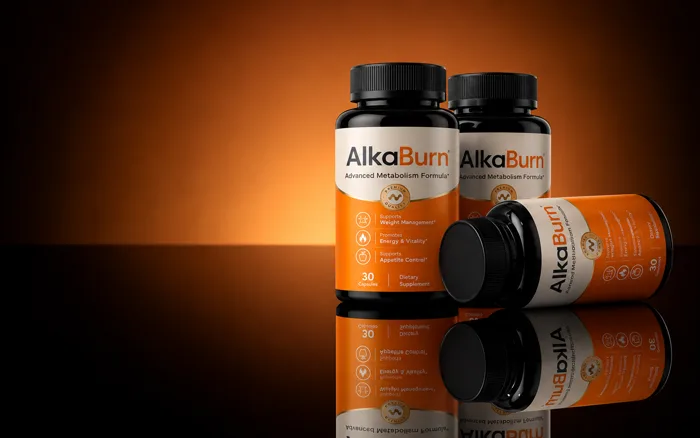
AlkaBurn is introduced as a daily capsule option that supports metabolism, appetite, and satiety to complement a healthy lifestyle for adults managing metabolic slowdown.
- 6-Bottle Package — Lowest Price Per Bottlebest value/bottle
- 3-Bottle Package — Most Popularmost popular/bottle
- 2-Bottle Packagestarter/bottle
We may earn a commission at no extra cost to you.