 Wellness Review Labs
 By

The single best exercise for stubborn belly fat is not an abdominal exercise at all. It is full-body resistance training combined with brisk, consistent walking. Decades of physiological research confirm that you cannot choose where your body burns fat. When you perform crunches or planks, you strengthen the abdominal wall, but the energy required to fuel those small muscles is pulled from bloodstream lipids across your entire body, not from the fat cells sitting directly on top of your stomach.
To reduce abdominal fat, you must create a sustained, gentle caloric deficit while signaling your body to keep its metabolically active lean muscle. Full-body movements like squats, hinges, and presses recruit large muscle groups that burn substantial energy both during and after your session. Pairing that with daily walking increases daily energy expenditure without spiking stress hormones or appetite. That combination is the most reliable path to reducing midsection fat over time.
Why Abdominal Fat Becomes More Stubborn After 45
Around our mid-forties and fifties, changes in hormones naturally shift how and where our bodies store adipose tissue. Decreases in estrogen during menopause and gradual reductions in testosterone in men encourage fat storage to migrate from the hips and limbs toward the abdomen. At the same time, most adults experience age-related muscle loss, known as sarcopenia, which quietly lowers daily resting metabolic rate.
There are also two distinct types of abdominal fat to understand:
- Subcutaneous fat: This is the pinchable layer of fat sitting right below your skin. It is cosmetically frustrating, but metabolically less harmful.
- Visceral fat: This is deeper fat stored around your internal organs like the liver, intestines, and pancreas. It produces inflammatory compounds and influences insulin resistance.
The encouraging news is that deep visceral fat is metabolically active, meaning it is often the first type of fat to mobilize when you begin an effective strength and movement routine. Subcutaneous fat takes longer, which requires patience and manageable habits rather than extreme fitness regimens.
The Two Pillars: Strength Training and Low-Impact Aerobic Work
High-intensity interval training (HIIT) is frequently promoted as the ultimate fat burner, but for adults aged 45 to 75, intense jumping and sprinting often leads to joint inflammation, excessive fatigue, and elevated cortisol. Instead, a dual approach focusing on progressive strength and zone-2 movement produces superior long-term results.
Pillar 1: Full-Body Resistance Training (2 to 3 days per week). When you lift weights, use resistance bands, or work against body weight, you preserve and build skeletal muscle. Muscle tissue is metabolically demanding; the more lean mass you retain, the higher your resting metabolic rate remains throughout the day. Compound exercises that recruit multiple joints simultaneously are far superior to isolated ab routines.
- Goblet squats or sit-to-stands from a sturdy chair
- Dumbbell or band chest presses and rows
- Glute bridges and hip hinges
- Farmer's carries (walking while holding weights at your sides)
Pillar 2: Brisk Walking (6,000 to 9,000 steps daily). Walking is the unsung hero of fat management. It burns primarily fat as its fuel source, places virtually no recovery strain on your central nervous system, and does not trigger the intense hunger spikes that often follow exhausting cardio sessions. A 30-minute brisk walk after meals also helps lower postprandial blood sugar spikes.

A Sample Weekly Exercise Schedule for Adults Over 45
You do not need to spend two hours in a gym every day. Consistency matters far more than volume. Here is a balanced, joint-friendly weekly structure designed to support metabolic health and core strength:
- Monday: Full-body strength session (30 to 40 minutes: squats, rows, chest press, core carries) followed by a light 15-minute walk.
- Tuesday: 45 minutes of continuous brisk walking or low-impact cycling.
- Wednesday: Full-body strength session (30 to 40 minutes: step-ups, lat pulldowns or band pull-aparts, overhead press, planks).
- Thursday: Active recovery day. Gentle walking, stretching, or light mobility work.
- Friday: Full-body strength session or functional bodyweight circuit (30 minutes).
- Saturday: Longer recreational outdoor walk, hike, or yard work.
- Sunday: Complete rest day focused on meal prep and restorative sleep.
Once I stopped trying to burn off dinner with endless crunches and shifted to lifting light dumbbells three days a week while walking every morning, my waistline finally started shrinking.— Long-term fitness participant, age 58
Lifestyle Factors That Dictate Abdominal Fat Loss
Exercise is the stimulus, but your daily habits create the environment that allows fat loss to happen. Even the most rigorous workout routine can be undone if these three areas are neglected:
- Protein intake: Aim for 25 to 35 grams of quality protein per meal. Protein supports lean muscle repair, has a higher thermic effect than fats or carbohydrates, and promotes lasting satiety.
- Sleep quality: Chronic short sleep (under seven hours) raises ghrelin (the hunger hormone) and lowers leptin (the fullness signal). Poor sleep also elevates baseline cortisol, which encourages the body to store fat in deep visceral depots.
- Alcohol consumption: Alcohol halts regular metabolic oxidation while the liver prioritizes breaking down ethanol. Alcoholic beverages also supply empty calories and impair deep sleep architecture.
Evaluating Supplemental Support: Where AlkaBurn Fits
Once a foundation of resistance training, daily movement, and balanced nutrition is in place, some individuals explore daily supplements to support their overall routine. AlkaBurn is one option in the weight-management category designed to assist with daily metabolic support.
Supplied in capsule format, AlkaBurn is positioned by its manufacturer to help support metabolism, aid appetite management, and promote satiety alongside a healthy lifestyle. It is important to maintain realistic expectations: no dietary supplement can replace physical activity or erase the need for a balanced caloric intake. It is not designed to melt belly fat independently, and results depend on your underlying habits.
The maker of AlkaBurn does not publish its specific ingredient list publicly, so consumers who prefer full formula transparency should keep this in mind. The supplement is sold in 2-bottle, 3-bottle, and 6-bottle packages, with current package pricing available through their official distributor. Every order is backed by a 60-day money-back guarantee, allowing you to assess how it fits your routine.
Safety note: If you have high blood pressure, a heart condition, take prescription medications, or are sensitive to stimulants, consult your physician before starting AlkaBurn or any new weight-management supplement.
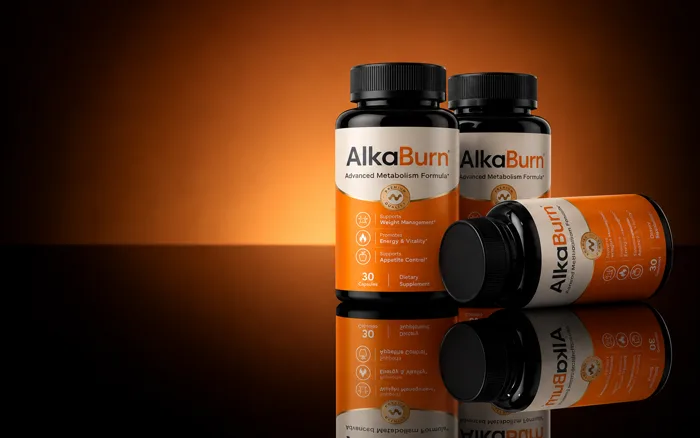
AlkaBurn is introduced as an optional daily metabolic support capsule to accompany a core routine of resistance training and brisk walking.
- 6-Bottle Package — Lowest Price Per Bottlebest value/bottle
- 3-Bottle Package — Most Popularmost popular/bottle
- 2-Bottle Packagestarter/bottle
We may earn a commission at no extra cost to you.
Setting Realistic Expectations for Visible Changes
Because visceral fat responds first, you may notice health markers improving before your waistband feels drastically looser. Blood pressure, resting heart rate, and fasting glucose often show favorable shifts within four to eight weeks of starting consistent resistance training and daily walking.
Changes in subcutaneous belly fat typically take eight to twelve weeks of uninterrupted consistency to become visually apparent. Track your progress with a simple cloth tape measure around the navel once every two to three weeks, rather than stepping on the bathroom scale daily. This protects your motivation and gives your body time to adapt to new movement patterns.