 Wellness Review Labs
 By
By 
Yes, hair thinning can happen when taking Zepbound (tirzepatide), much like it can with any significant weight loss or rapid shift in nutrition. When women in their 40s, 50s, 60s, or 70s begin a GLP-1 medication, appetite suppression often leads to a sudden drop in daily calories and protein. Your body views this rapid shift as a form of physiological stress. In response, it prioritizes vital internal organs over non-essential functions like hair growth, pushing a higher percentage of your hair follicles into a resting phase.
For many women, the primary goal of taking a medication like Zepbound is to improve metabolic health, address blood sugar concerns, or reduce weight-related joint strain. However, the physical transformation does not always happen in a vacuum. The sudden decrease in food intake means your body may temporarily receive fewer of the micronutrients, vitamins, and amino acids it relies on to maintain optimal tissue health. Because hair is metabolically active tissue that requires a steady supply of energy and building blocks, it is often one of the first systems to reflect a sudden nutritional deficit.
Understanding Telogen Effluvium and Weight Loss
The medical term for this type of shedding is telogen effluvium. It usually does not start the moment you take your first dose. Instead, hair thinning typically becomes noticeable two to four months after a major metabolic shift or significant weight drop. This delay happens because hair grows in distinct cycles. Every hair on your head goes through an active growth phase, a transition phase, and a resting phase. Once a systemic stressor pushes a large wave of follicles into the resting phase simultaneously, it takes a couple of months before those resting hairs actually detach and fall out during daily washing, brushing, or styling.
For women already navigating the natural hormonal fluctuations of perimenopause or postmenopause, adding a sudden nutritional deficit can make the scalp feel doubly vulnerable. Estrogen and progesterone play supportive roles in maintaining hair thickness and follicle vitality. As those hormones naturally decline with age, the hair strands can already become finer or more fragile. When you combine this midlife transition with the metabolic shock of rapid weight loss, you may notice that your hair feels less dense, your part looks slightly wider, and you are collecting more hair in the shower drain than usual.
Everyday Steps to Support Hair Resilience
- Prioritize protein: Because appetite is reduced on Zepbound, it is easy to under-eat protein. Aim for lean protein sources at every meal to supply the amino acids necessary for keratin production.
- Check your micronutrients: Low iron, ferritin, and Vitamin D are common contributors to hair shedding. Ask your doctor to run a simple blood panel.
- Be gentle with styling: Avoid tight ponytails, excessive heat styling, and harsh chemical treatments while your hair is in a fragile shedding phase.
- Focus on hydration: Drinking enough water supports overall cellular function, including the scalp and hair follicles.
Implementing these practical, everyday adjustments can make a meaningful difference in how your body handles the physical stress of weight management. When your appetite is naturally lower, planning your meals becomes essential rather than optional. Focus on nutrient-dense foods that offer the highest nutritional value per bite, ensuring that even smaller portions deliver an adequate supply of vitamins and minerals. Gentle hair care routines also prevent mechanical damage from compounding the shedding process, giving your scalp the most peaceful environment possible while your metabolism adapts to its new baseline.

Targeted Nutritional Support
While dietary changes and time are the primary healers for telogen effluvium, some women look for targeted support to nourish new growth as it emerges. This is where dedicated hair, skin, and nail formulas can play a supportive role in your daily routine.
One option designed for this purpose is Crowned, a daily support formula made specifically to nourish hair, skin, and nails from the inside out. It is formulated with targeted vitamins and building blocks to support healthy follicles during times of physical stress. It is not a quick fix or a medical treatment, and it will not stop shedding overnight—because no supplement can override the natural hair growth cycle. However, it can serve as a dependable daily insurance policy for your nutritional intake when your appetite on Zepbound is low.
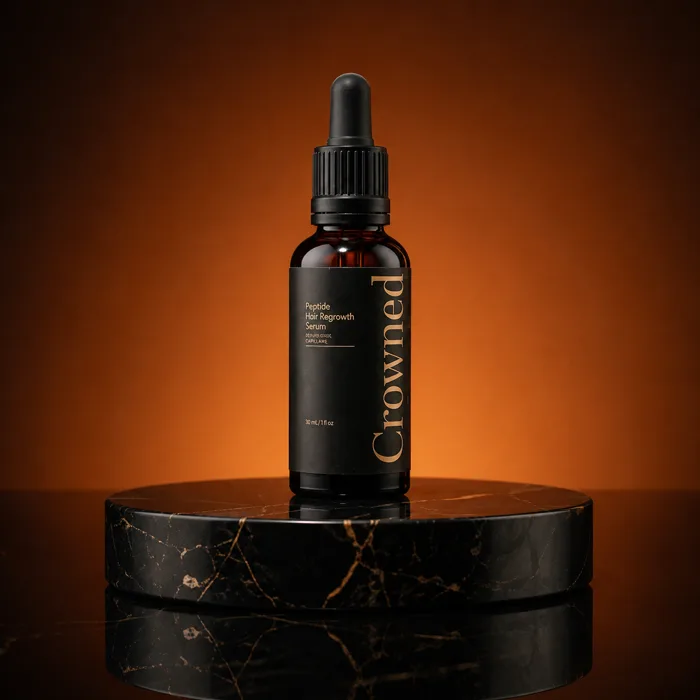
Crowned provides targeted nutritional support for hair, skin, and nails to help women nourish new growth while navigating weight loss and dietary changes on Zepbound.
- Buy 3, Get 3 Free — Lowest Price Ever$19.99/bottle
- Buy 2, Get 2 Free — Most Popular$27.49/bottle
- Buy 1, Get 1 Free$44.75/bottle
We may earn a commission at no extra cost to you.
When Will the Shedding Stop?
For the vast majority of women, post-weight-loss shedding is temporary. Once your weight stabilizes and your body adjusts to its new caloric intake, the hair follicles naturally transition back into the growth phase. New baby hairs—often called 'halo hairs' around the hairline—are usually the first sign that recovery is underway. Managing stress, eating nutrient-dense foods, and giving your body grace during this transition are your best allies.
It helps to remember that your body is undergoing a major systemic adjustment. As your weight loss velocity levels off and reaches a steady maintenance phase, your physiological stress markers decrease. This stabilization signals the hair follicles that it is safe to resume their normal, long-term growth patterns. While watching hair fall out can be distressing, understanding the timeline can help alleviate anxiety. By maintaining consistent protein intake, monitoring your general health with your physician, and protecting your hair from harsh daily styling, you create the optimal internal and external environment for recovery.