Wellness Review Labs
 By
By 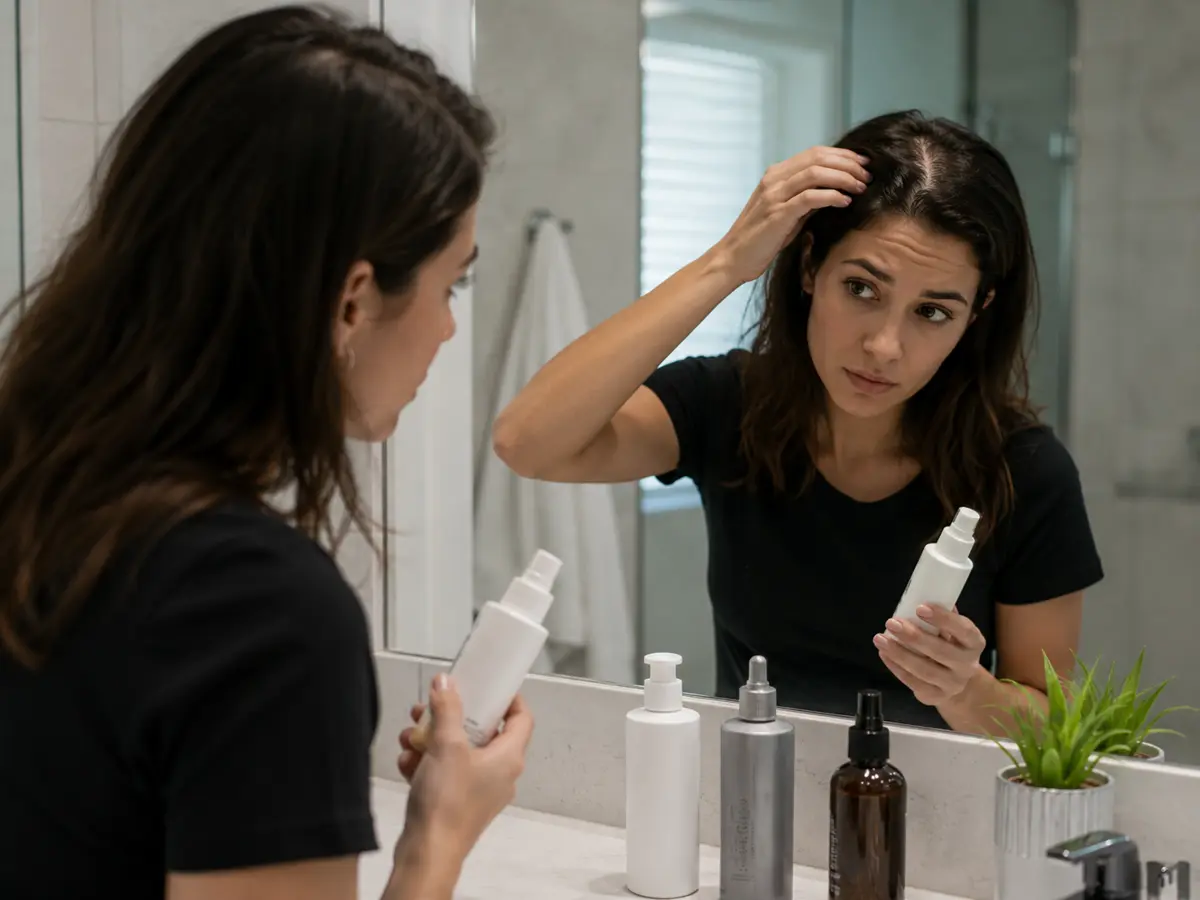
When people ask about the hair loss side effects of steroids, they are usually referring to prescription corticosteroids—such as prednisone, cortisone, or methylprednisolone—rather than illegal anabolic steroids used for bodybuilding. While both types can affect your hair, corticosteroids are prescribed by doctors for millions of Americans managing inflammatory conditions, autoimmune diseases, asthma, and severe allergies. When you are dealing with a chronic health condition, the last thing you want to worry about is your appearance changing in unexpected ways. Yet noticing clumps of hair in your shower drain or seeing more of your scalp in the mirror can add a significant layer of emotional stress to an already difficult health journey. Understanding the precise reasons why this happens can help take some of the anxiety out of the experience, giving you a clearer picture of what to expect and how to care for your hair while your body heals.
How Steroids Trigger Hair Shedding
Your hair grows in a continuous, highly regulated cycle that consists of three distinct phases: a growth phase known as anagen, a transitional phase known as catagen, and a resting phase known as telogen. Normally, about 85 to 90 percent of the hair on your head is actively growing in the anagen phase at any given time, while the remainder rests before eventually shedding to make room for new strands.
High doses, frequent bursts, or prolonged courses of prescription corticosteroids can act as a profound physiological stressor on your entire system. This systemic stress interrupts the normal biological rhythm of your hair follicles, signaling a large number of growing hairs to transition into the resting phase prematurely and all at once. Because the resting phase typically lasts for a couple of months before the hair naturally falls out, you will often not see the resulting shedding until several weeks after you started taking the medication or after you experienced a major dose increase. Dermatologists refer to this specific type of stress-induced shedding as telogen effluvium. It is not necessarily destroying the follicle permanently, but rather pushing an abnormally large volume of hair into the exit queue simultaneously.
This delayed reaction is often what confuses people. Because the heavy shedding might not begin until two to four months after your steroid regimen started, you might not immediately connect the dots between your prescription and the hair coming out in your brush. Recognizing this timeline is vital because it explains why the shedding often continues for a little while even after you begin addressing the root cause or adjusting your medications with your doctor.
Anabolic Steroids vs. Corticosteroids
It is worth making a clear, careful distinction between the two main types of steroids, as they affect your hair through completely different biological mechanisms and target very different populations.
If you are taking a prescribed oral or intravenous corticosteroid for an inflammatory condition, your hair loss is almost certainly related to the telogen effluvium mechanism rather than permanent hormonal follicle miniaturization. This distinction offers a great deal of reassurance, because diffuse shedding driven by systemic stress has a much higher likelihood of reversing once the underlying trigger is removed or resolved.
Will Your Hair Grow Back?
The most reassuring news for anyone experiencing this side effect is that hair loss caused by prescription corticosteroids is almost always temporary. Once your physician safely tapers your medication, your underlying condition stabilizes, and your body adjusts back to its baseline, the hair growth cycle typically normalizes on its own without requiring drastic medical intervention.
However, the word 'temporary' can still feel like a long time when you are watching your hair thin out day after day. Human hair grows relatively slowly—on average, about half an inch per month. Because of this biological limitation, it generally takes three to six months after stopping or lowering a steroid dose for visible regrowth to become truly noticeable in the mirror. You have to give your follicles time to transition back into the anagen phase and push out enough new strands to restore your hair's overall density and volume.
During this waiting period, it is very common to feel impatient or worried that the thinning will never stop. Keeping a calm perspective and focusing on gentle, consistent self-care can make the recovery phase much more manageable while your body does the slow work of repairing itself.
Everyday Steps to Support Hair Recovery
While you wait for your hair growth cycle to recover naturally, you do not have to sit back and do nothing. There are several practical, everyday habits and lifestyle adjustments you can adopt to protect the hair you still have and create the best possible environment for new, healthy strands to emerge:
Implementing these gentle habits helps reduce physical friction and chemical stress on fragile strands, minimizing breakage while your scalp recovers its natural resilience.
Patients are often alarmed when hair shedding starts months after a severe illness or a round of oral steroids. Understanding that the shedding is a lagged response helps reduce the panic.— Board-Certified Dermatologist (Illustrative)
Nutritional Support During Hair Recovery
When your body undergoes the intense physical stress of managing chronic inflammation, fighting off an autoimmune flare, or processing strong medications, your nutritional demands shift significantly. Your body diverts vital resources toward core survival and healing, which can sometimes leave hair follicles undernourished. Ensuring you get adequate daily micronutrients is a sensible, proactive way to support your body's natural tissue repair processes during recovery.
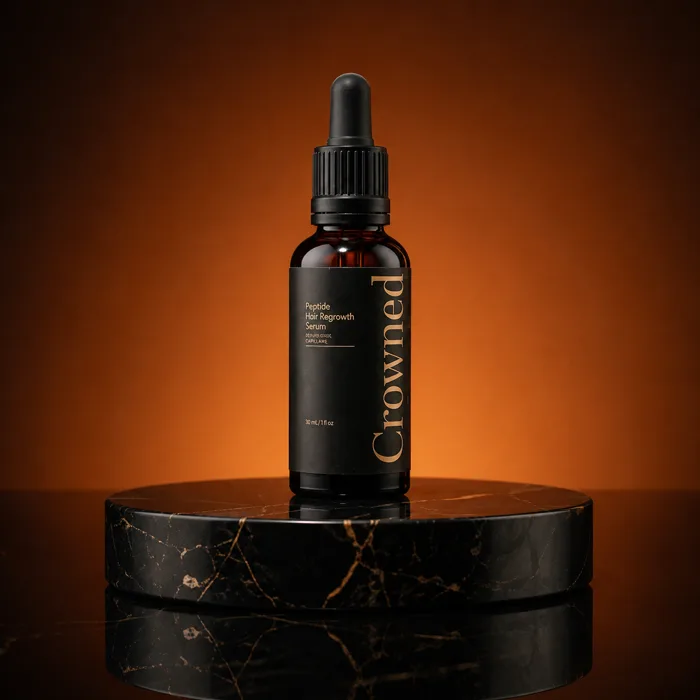
This is precisely where targeted daily nutritional support comes in. Our featured formula, Crowned, is designed to provide foundational nutritional support for hair, skin, and nails using a thoughtful blend of vitamins and minerals tailored for everyday wellness.
It is important to be completely honest about what a supplement can and cannot do: Crowned is not a prescription medication and will not instantly reverse drug-induced shedding overnight or halt an active telogen effluvium phase mid-stream. What it does do is supply reliable, high-quality daily micronutrients—such as biotin, zinc, and essential amino acids—to help support the biological environment necessary for healthy hair growth as your body gradually recovers its natural balance. It is backed by a straightforward 90-day money-back guarantee, with bottles starting at an accessible $19.99.