 Wellness Review Labs
 By
By 
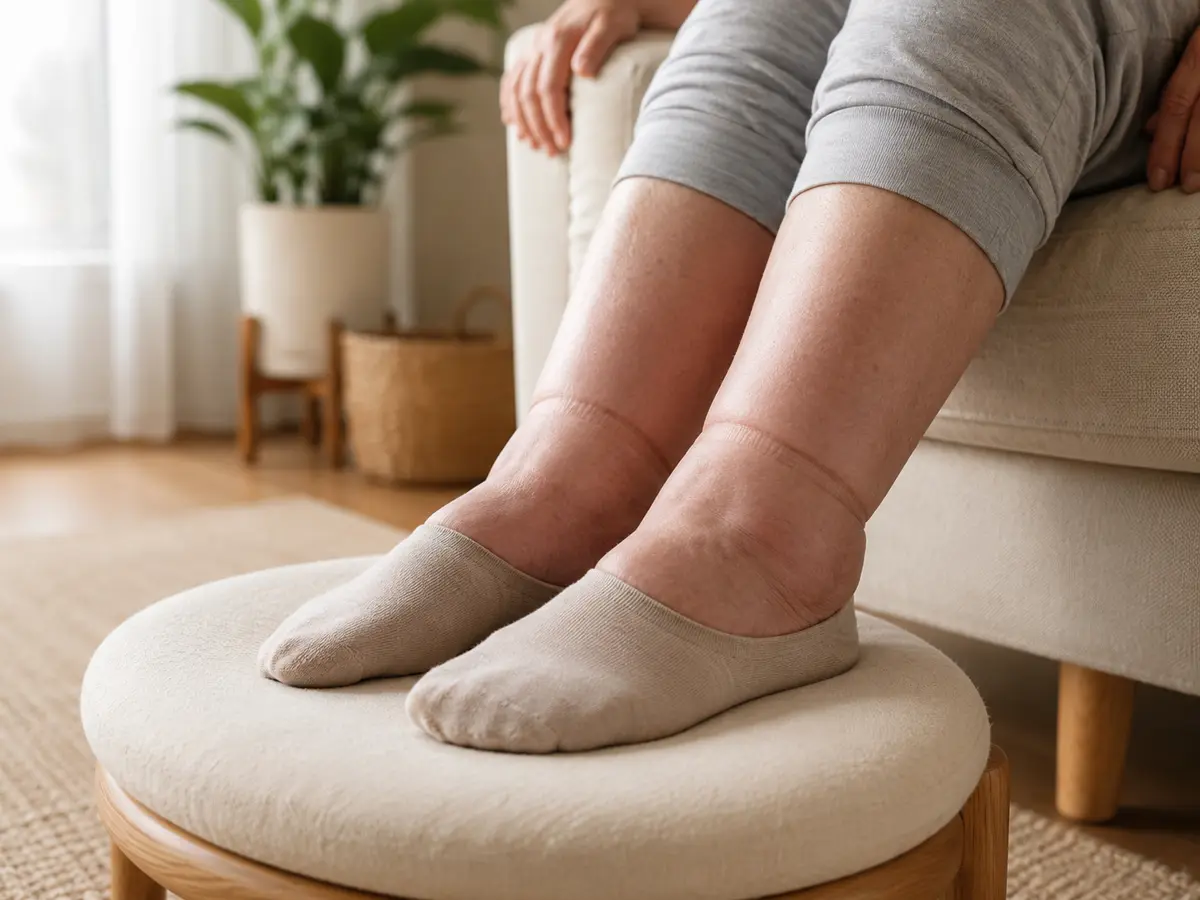
When your feet swell, it's often due to fluid buildup in the tissues, a condition known as edema. This can make your shoes feel tight, cause discomfort, and even leave indentations in your skin when you press on it. For most people, swollen feet are a temporary nuisance, but understanding why it happens and what to do can make a big difference.
Why Do My Feet Swell?
Swelling in the feet and ankles can stem from various sources, some harmless and others indicating a need for medical attention. Understanding the common culprits can help you address the issue effectively.
- Prolonged Standing or Sitting: Gravity is a major factor. When you stand or sit for long periods, especially in warm weather, fluid can naturally pool in your lower extremities.
- Dietary Habits: A diet high in sodium can cause your body to retain water, leading to swelling. Not drinking enough water can also contribute, as your body tries to hold onto existing fluids.
- Lifestyle Factors: Being overweight or not getting enough physical activity can impede circulation, making swelling more likely.
- Medications: Certain prescription drugs, including some for high blood pressure, diabetes, or even over-the-counter pain relievers, can have swollen feet as a side effect.
- Pregnancy: Increased blood volume and pressure from the growing uterus can lead to swelling in the legs and feet.
- Minor Injuries: A sprain or strain can cause localized swelling as part of the body's healing process.
- Underlying Health Conditions: More serious causes include heart failure, kidney disease, liver disease, or issues with your lymphatic system. This is why persistent or severe swelling should always be checked by a doctor.
Immediate Relief: Simple Home Remedies for Swollen Feet
Before looking at more advanced options, many people find significant relief from swollen feet by incorporating a few simple, everyday practices into their routine. These are often the first line of defense.
- Elevate Your Feet: This is perhaps the most effective immediate solution. Lie down and prop your feet up above the level of your heart for 15-20 minutes, several times a day. Pillows or cushions work well. This helps gravity drain the accumulated fluid back towards your core.
- Move Regularly: If your job involves long periods of sitting or standing, take breaks to walk around, stretch your ankles, and flex your feet. Even small movements can help pump fluid out of your lower limbs.
- Compression Socks: Over-the-counter compression socks or stockings can gently squeeze your legs and ankles, helping to prevent fluid from pooling. Make sure they fit properly – not too tight, and put them on in the morning before swelling begins.
- Stay Hydrated: While it might seem counterintuitive, drinking plenty of water helps your body flush out excess sodium and maintain proper fluid balance. Aim for at least 8 glasses a day.
- Reduce Sodium Intake: Limit processed foods, canned soups, and salty snacks. Reading food labels for sodium content can be very helpful. Your body will retain less water when your sodium levels are balanced.
- Wear Comfortable Shoes: Avoid tight shoes or high heels, which can restrict circulation. Opt for supportive, comfortable footwear with enough room for your feet, even if they're slightly swollen.
- Gentle Massage: Massaging your feet and ankles upwards towards your heart can help move fluid out of the affected area.
Dietary and Nutritional Approaches
Beyond reducing salt, certain dietary choices can play a role in managing fluid retention and supporting your body's natural drainage systems. Eating a balanced diet rich in whole foods is always beneficial.
Some people find that increasing their intake of foods rich in potassium, like bananas, leafy greens, and sweet potatoes, can help counteract sodium and promote fluid balance. Additionally, certain herbs and plant extracts have been traditionally used to support healthy fluid balance and circulation. However, the scientific evidence for these is often limited, and they should be used with caution and ideally under medical guidance, especially if you take other medications.
When to Consider Supplemental Support
For those looking for additional support beyond lifestyle changes, certain supplements are designed to work with your body's natural systems. One area of focus is the lymphatic system, a network of vessels that helps manage fluid balance and immune function throughout the body. When the lymphatic system isn't working optimally, it can contribute to fluid retention and swelling.
Products like Linfaflow are formulated with plant-based ingredients intended to support healthy lymphatic function. These liquid drops typically contain extracts from herbs known for their potential to encourage fluid movement and reduce stagnation. While such supplements are not a cure for underlying medical conditions, they may help support the body's natural ability to manage fluid and reduce mild, temporary swelling.
It's important to remember that supplements are not a substitute for medical advice or treatment for serious conditions. They are generally designed to complement a healthy lifestyle, including the home remedies mentioned above. Always read labels carefully and consult with a healthcare professional before starting any new supplement, especially if you have existing health conditions or are taking medications.
The Verdict
Linfaflow may be worth considering if you're experiencing mild, occasional swelling in your feet and are looking for a supplement to support lymphatic function. Its 90-day money-back guarantee offers a risk-free way to see if it helps you.
Who This Is For — And Who It Is Not
- Individuals with occasional, mild foot swelling.
- Those seeking a supplement to support their lymphatic system.
- People who prefer a natural approach to wellness support.
- Anyone interested in trying a product with a money-back guarantee.
- Anyone with severe, persistent, or unexplained foot swelling, which requires medical evaluation.
- Individuals expecting immediate or dramatic relief from swelling.
- Those who are currently taking prescription medications for swelling or other conditions.
- People who believe this product can replace advice or treatment from a healthcare professional.
What We Could Not Verify
We say this plainly because most pages in this category do not. Here is what we could not independently confirm about Linfaflow:
- The specific ingredients and their dosages, as the manufacturer does not disclose the full formula.
- Any independent scientific studies directly supporting the efficacy of Linfaflow itself.
- The manufacturing processes or quality control standards used for the product.
- The typical timeframe for experiencing any noticeable effects from using Linfaflow.

Linfaflow is relevant as a plant-based liquid drop supplement designed to support healthy lymphatic function and fluid balance, which can contribute to managing temporary swollen feet.
- Buy 3, Get 3 Free — Lowest Price Ever$19.99/bottle
- Buy 2, Get 2 Free — Most Popular$29.99/bottle
- Buy 1, Get 1 Free$34.75/bottle
We may earn a commission at no extra cost to you.
When to See a Doctor for Swollen Feet
While many cases of swollen feet are benign, there are times when swelling can indicate a more serious underlying health issue. It's crucial to know when to seek professional medical advice.
- Sudden or Severe Swelling: If swelling appears suddenly, is very pronounced, or affects only one leg.
- Pain and Redness: If the swollen area is also red, warm to the touch, or painful, as this could indicate an infection or a blood clot.
- Shortness of Breath or Chest Pain: These symptoms, combined with swollen feet, could signal a serious heart or lung condition and require immediate emergency medical attention.
- Swelling Accompanied by Fever: This could be a sign of infection.
- Swelling That Doesn't Improve: If home remedies don't bring relief after a few days, or if the swelling worsens.
- Known Underlying Conditions: If you have heart disease, kidney disease, or liver disease, swelling can be a sign that your condition is worsening and warrants immediate medical review.
Your doctor can help diagnose the cause of your swelling and recommend the most appropriate treatment plan, which may include medication, dietary changes, or other interventions.
I used to just ignore my swollen feet after a long day, but once I started elevating them and drinking more water, the difference was huge. It's the simple things that often work best.— A Wellness Review Labs Reader