 Wellness Review Labs
 By
By 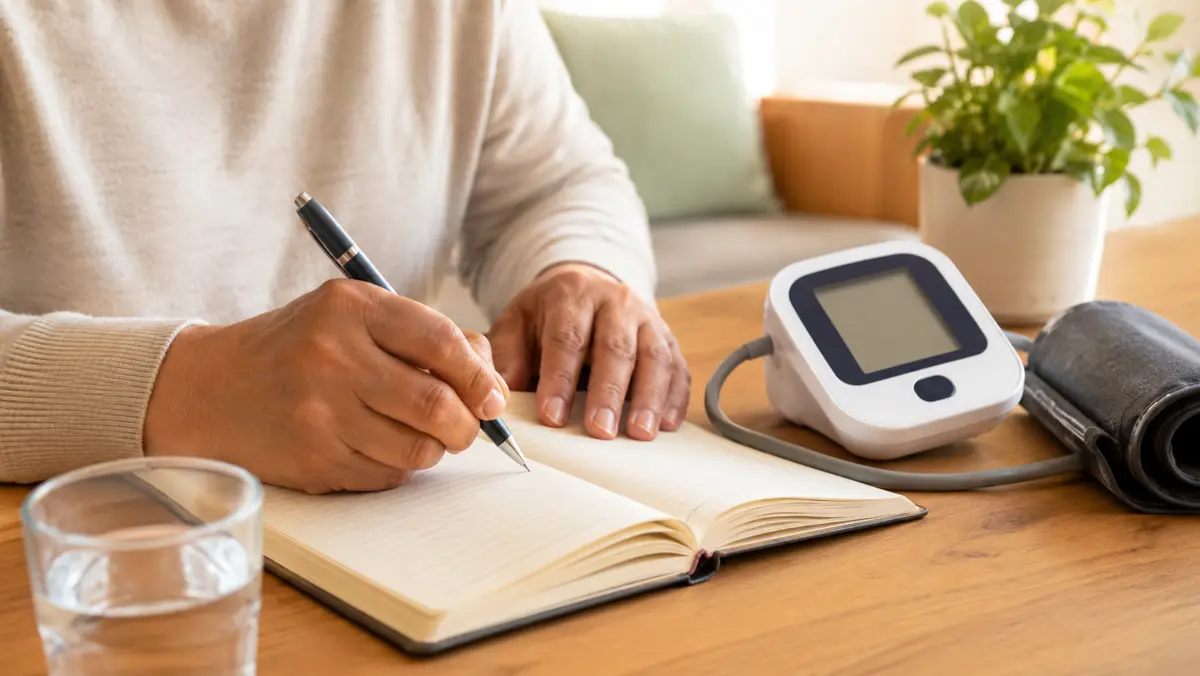
No, medical experts do not classify chronic hypertension as a symptom of anxiety. However, anxiety does cause sudden, temporary spikes in your blood pressure. When you experience fear or worry, your body releases a surge of stress hormones like adrenaline and cortisol. These hormones cause your heart to beat faster and your blood vessels to narrow, which temporarily raises your blood pressure. Once the anxiety passes, your numbers typically return to their normal baseline.
For adults between the ages of 45 and 75, keeping a close eye on these numbers is vital. While a single stressful day or a panic attack will not give you chronic high blood pressure, frequent spikes can put extra wear and tear on your cardiovascular system. Understanding how these two conditions interact is key to managing both your mental peace and your physical wellness.
The Difference Between a Stress Spike and Chronic Hypertension
To understand your health, you must distinguish between temporary blood pressure fluctuations and chronic hypertension. Chronic hypertension is a long-term medical condition where the force of the blood against your artery walls is consistently too high, even when you are completely relaxed. It is often called a silent condition because it rarely produces obvious symptoms on its own.
In contrast, an anxiety-induced spike is an acute, short-lived reaction. When your nervous system senses a threat, it triggers the fight-or-flight response. This response is highly efficient at preparing your body to react to danger, but it also causes a rapid, measurable jump in your blood pressure readings. Once you calm down, your body's systems settle, and your blood pressure drops back to normal.
How Anxiety Mimics Heart Problems
Anxiety is highly physical. During a period of intense worry or a panic attack, you might experience symptoms that feel identical to a heart issue. These physical sensations can include a pounding heart, shortness of breath, dizziness, sweating, and mild chest tightness.
This overlap in symptoms often creates a distressing feedback loop. You feel anxious, which causes your heart to race. You notice your racing heart, assume something is dangerously wrong with your cardiovascular system, and become even more anxious. This secondary wave of anxiety keeps your blood pressure elevated for longer than it would otherwise stay.
I used to get so nervous checking my blood pressure at home that the machine would show a high reading. Once I learned to sit quietly and breathe deeply for five minutes before pressing start, my numbers looked completely different.— An illustrative experience of a patient managing white-coat anxiety

The Indirect Link: How Anxiety Habits Affect Your Arteries
While anxiety does not directly cause permanent hypertension, it can lead to it indirectly through lifestyle habits. Living with chronic anxiety is exhausting, and many people adopt coping mechanisms that are tough on the cardiovascular system.
- Poor Diet: Stress and worry often lead to emotional eating, which frequently involves high-sodium comfort foods that contribute to fluid retention and arterial pressure.
- Lack of Sleep: Anxiety is a major cause of insomnia. Chronic sleep deprivation prevents your blood pressure from naturally dipping at night, a process necessary for heart health.
- Reduced Activity: Feeling chronically anxious can sap your energy, making it difficult to maintain a regular exercise routine that keeps arteries flexible.
- Substance Use: Some individuals use alcohol, nicotine, or excessive caffeine to self-medicate their anxious feelings, all of which can raise blood pressure and damage blood vessels over time.
Practical, Free Ways to Calm Your Nervous System
Fortunately, you can take immediate, active steps to soothe your nervous system and help prevent stress-related blood pressure spikes. These behavioral strategies cost nothing and can be done anywhere.
One of the most effective tools is diaphragmatic breathing. When you feel worry building, place one hand on your chest and the other on your belly. Inhale slowly through your nose for a count of four, letting your belly expand. Hold your breath for four seconds, then exhale slowly through your mouth for six seconds. Repeating this cycle for just three minutes signals your brain that you are safe, which physically slows your heart rate and relaxes your blood vessels.
Regular, low-intensity physical movement also acts as a natural stress reliever. A simple twenty-minute walk in the fresh air helps your body process and clear out accumulated stress hormones, helping your cardiovascular system return to a calm baseline.
Daily Nutritional Support for Cardiovascular Wellness
Alongside stress management and a balanced diet, some individuals choose to add daily nutritional support to their wellness routine. For those looking to proactively care for their heart as they age, Cardiocept offers a straightforward option.
Cardiocept is a daily dietary supplement in capsule form, formulated to provide nutritional support for heart health, healthy blood pressure, and overall cardiovascular wellness. It is designed to complement your daily health habits and support your body's natural circulatory processes.
If you and your physician decide that Cardiocept is a helpful addition to your lifestyle, you can find it available in 2-, 3-, and 6-bottle packages. The manufacturer offers a 60-day money-back guarantee, allowing you to try the product with confidence. To find the best option for your budget, you can review the current package pricing directly on their official site.
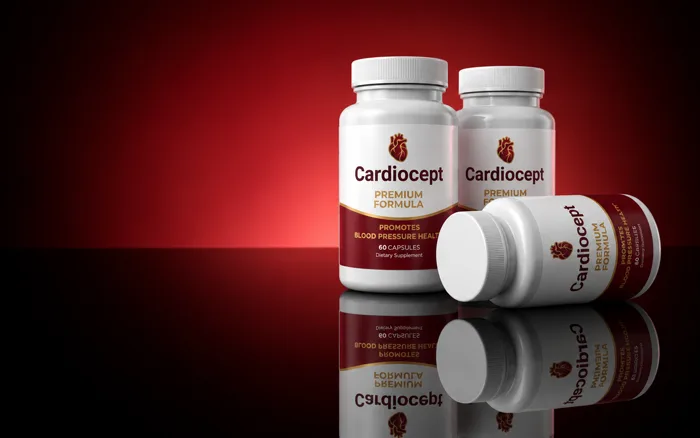
Cardiocept provides daily nutritional support for cardiovascular wellness, helping readers care for their heart health alongside managing stress-induced blood pressure fluctuations.
- 6-Bottle Package — Lowest Price Per Bottlebest value/bottle
- 3-Bottle Package — Most Popularmost popular/bottle
- 2-Bottle Packagestarter/bottle
We may earn a commission at no extra cost to you.
When to See a Professional
It is essential to know when symptoms point to a medical issue that requires professional attention. If you find that your blood pressure readings remain high even when you are feeling calm, rested, and relaxed, you should schedule an appointment with your doctor. They can perform a proper assessment to determine if you have chronic hypertension.
Additionally, if you experience physical symptoms such as severe chest pain, sudden shortness of breath, pain radiating down your arm, or unexplained dizziness, do not assume it is simply anxiety. Seek emergency medical care immediately to rule out any acute cardiovascular events.