 Wellness Review Labs
 By
By 
Yes, high blood pressure and edema frequently appear together, though high blood pressure itself is rarely the direct cause of the fluid swelling. Edema—the medical term for fluid buildup in your body's tissues, most commonly in the feet, ankles, and lower legs—usually happens when pressure within small blood vessels increases, when the kidneys retain excess sodium and water, or as a side effect of commonly prescribed blood pressure medications like calcium channel blockers. If you suffer from swollen legs and elevated blood pressure, the underlying cause usually stems from how your blood vessels, heart, and kidneys interact under constant stress.
How High Blood Pressure and Edema Are Connected
To understand why fluid collects in your lower extremities, it helps to view your circulatory system as a complex network of plumbing under pressure. Your heart pumps blood through arteries down to your tissues, and a network of veins and lymphatic vessels pumps that fluid back up toward your heart against gravity.
When arterial pressure remains high over months or years, several physiological changes can lead to noticeable swelling:
- Capillary Pressure Leakage: High systemic pressure increases force inside microscopic capillary beds. This extra hydrostatic pressure forces plasma water out of the micro-vessels and into surrounding tissues, particularly in the lower legs where gravity adds extra downward force.
- Kidney Fluid Regulation: Your kidneys are responsible for filtering blood and maintaining sodium balance. When blood pressure rises, kidney blood vessels contract and stiffen over time. Damaged or overworked kidneys may struggle to filter out excess sodium, causing your body to hold onto fluid to dilute the salt.
- Increased Cardiac Workload: When the heart has to pump continuously against narrowed, stiff blood vessels, the heart muscle works harder. Over time, slight fluid back-ups can occur in the venous system, causing pooling in the lower legs, ankles, and feet.
Could Your Blood Pressure Medication Be Cause of the Swelling?
For millions of adults managing hypertension, the swelling in their ankles is actually not caused by the disease itself, but by the treatment. A class of medications called dihydropyridine calcium channel blockers (such as amlodipine, nifedipine, and felodipine) is widely prescribed to relax and widen arterial walls.
While these medications are effective at lowering blood pressure, they work predominantly on the small arteries leading into capillary beds without dilating the veins leading away from them. This mismatch creates a localized hyper-pressure zone inside the capillaries, causing fluid to leak directly into surrounding soft tissue.

Everyday Behavioral Habits to Reduce Mild Peripheral Edema
Whether your fluid retention is linked to sluggish circulation, high sodium intake, or medication, everyday lifestyle habits can help your circulatory and lymphatic systems clear excess fluid from your legs.
- Elevate Your Legs Daily: Lie down and prop your legs up on pillows above the level of your heart for 20 to 30 minutes, two to three times per day. Gravity helps drain accumulated fluid back toward your core blood vessels.
- Engage Your Calf Muscle Pump: When you walk, your calf muscles contract and squeeze the deep veins in your legs, pushing fluid upward. Even a brief 10-minute walk after meals helps prevent fluid pooling.
- Monitor Dietary Sodium Intake: Excessive salt encourages fluid retention. Focus on fresh, whole foods and keep daily sodium intake under 2,000 milligrams to support kidney balance.
- Consider Compression Socks: Mild graduated compression socks (15–20 mmHg) provide gentle mechanical pressure that prevents fluid from settling in lower leg tissues during long periods of standing or sitting.
- Stay Hydrated: Paradoxically, drinking adequate fresh water signals to your kidneys that the body is not in a drought state, prompting them to excrete excess water and sodium efficiently.
Understanding that leg swelling is a mechanical result of fluid pressure allows us to use simple daily habits—like elevation and calf movement—to give the circulatory system the assistance it needs.— Cardiovascular Health Educator
Targeted Nutritional Support: The Role of Daily Supplements
Alongside fundamental dietary tweaks and gentle movement, many mature adults explore daily dietary supplements designed to nourish cardiovascular structures and maintain normal vascular tone.
One option available in this category is Cardiocept, a daily heart and circulation support supplement formatted in easy-to-swallow capsules. Cardiocept is formulated to provide comprehensive nutritional support for overall cardiovascular wellness, micro-vascular health, and general blood vessel performance.
It is essential to understand what Cardiocept is and what it is not. Cardiocept is a nutritional support formula—it does not lower blood pressure, treat medical edema, or replace prescription hypertension medications. If you are currently taking prescribed cardiovascular medications or diuretics, you should continue your regimen exactly as directed and speak with your physician before introducing Cardiocept or any new dietary supplement.
Cardiocept is offered in convenient 2-, 3-, and 6-bottle packages to support consistent daily use, backed by a risk-free 60-day money-back guarantee. You can check current package pricing directly on the official manufacturer website.
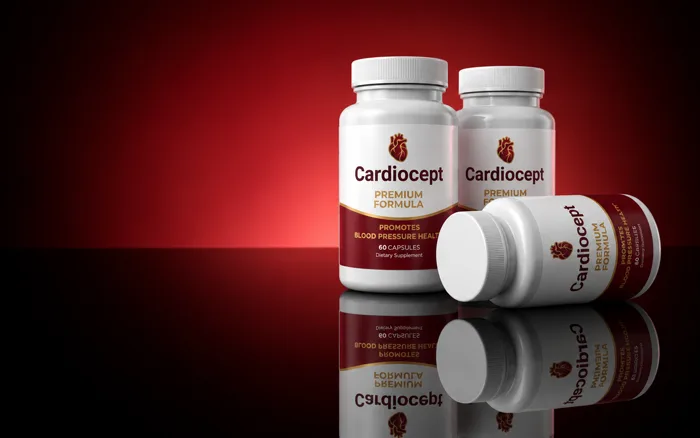
Cardiocept provides daily nutritional support for vascular health and cardiac wellness, making it a supportive dietary option for adults focusing on overall circulatory system maintenance.
- 6-Bottle Package — Lowest Price Per Bottlebest value/bottle
- 3-Bottle Package — Most Popularmost popular/bottle
- 2-Bottle Packagestarter/bottle
We may earn a commission at no extra cost to you.
When Swelling Requires Immediate Medical Evaluation
While mild, gradual swelling in both lower legs is common and manageable, certain types of swelling indicate a serious medical issue requiring immediate evaluation. You should seek prompt medical care if you observe any of the following warning signs:
- Asymmetrical Swelling: Significant swelling in only one leg or foot, especially if accompanied by pain, redness, or warmth, which can be a sign of a deep vein thrombosis (blood clot).
- Shortness of Breath: Sudden or worsening breathlessness, especially when lying flat or during light exertion, which may indicate fluid accumulating in the lungs.
- Rapid Weight Gain: Gaining 2 to 3 pounds in 24 hours or 5 pounds in a single week, which points to severe systemic fluid retention.
- Pitting Edema with Skin Changes: Indentations in the skin that remain depressed for several seconds after pressing, or skin that looks shiny, stretched, or discolored.