 Wellness Review Labs
 By
By 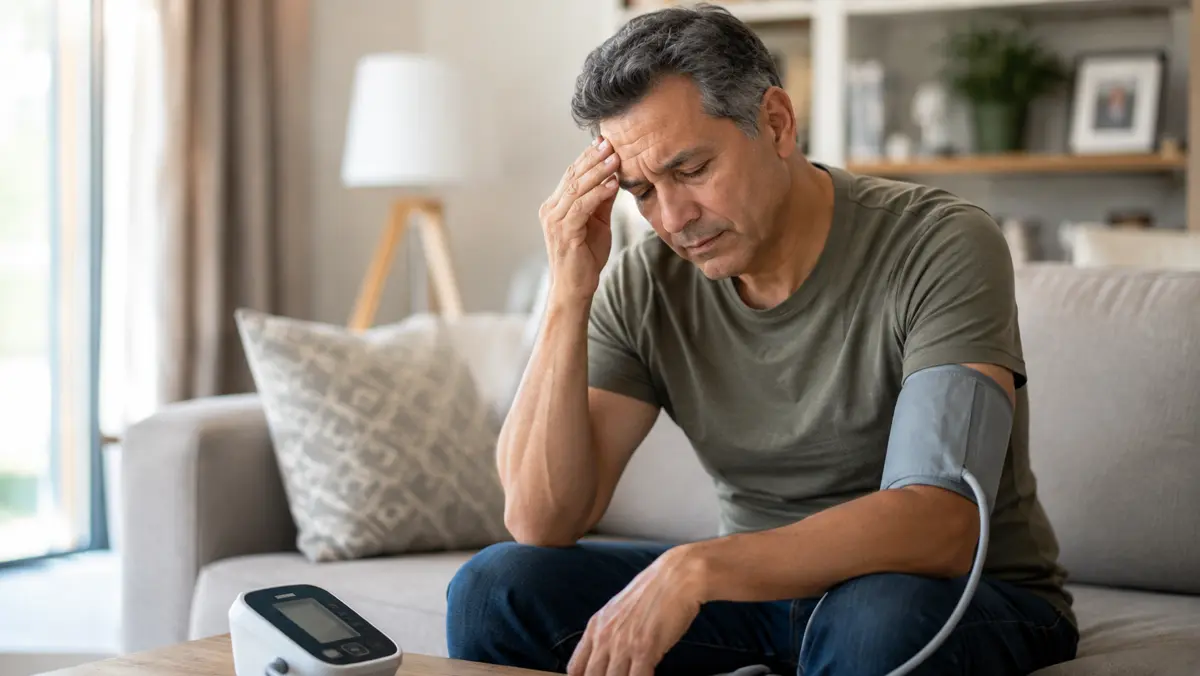
When people search for hypertension symptoms causes, they are usually trying to connect how they feel physically with the numbers flashing on a pharmacy blood pressure machine or a doctor's monitor. The most important medical reality to understand right away is that primary hypertension rarely causes dramatic symptoms in its early or moderate stages. This is why physicians call it the silent killer. You can walk around for years with elevated blood pressure and feel completely normal.
Understanding this dynamic is the first step toward taking control of your long-term cardiovascular wellness. Because the body adapts to incremental changes in pressure over time, individuals often assume everything is fine simply because they are not experiencing acute physical pain or dramatic discomfort. However, beneath the surface, your heart and circulatory network may be managing increased resistance every single day.
Why Hypertension Is Called the Silent Condition
Many adults over 45 assume they would know if their blood pressure was high. They wait for nosebleeds, flushed skin, or pounding heartbeats. However, the cardiovascular system adjusts gradually to increased resistance in the blood vessels. Unless your blood pressure spikes into a dangerous range—known as a hypertensive crisis—you are unlikely to feel physical distress.
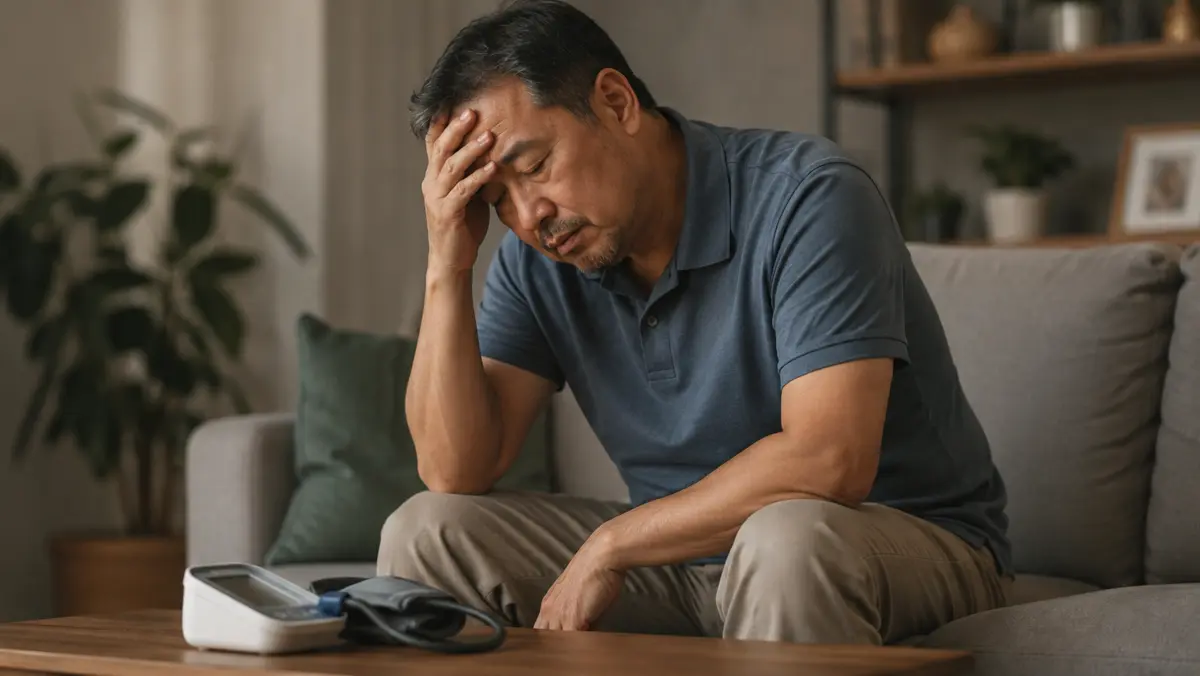
That said, some people with chronically elevated pressure do report mild, vague symptoms that they might dismiss as ordinary aging or stress. It is easy to overlook these subtle physical cues when balancing a busy work and family life:
- Occasional dull morning headaches, particularly at the back of the head that fade as the day goes on
- Mild lightheadedness or dizziness when standing up quickly from a seated position
- A general sense of fatigue or low stamina during routine physical tasks that used to feel effortless
- Unexplained shortness of breath during light exertion like climbing a single flight of stairs
Because these signs are so non-specific, relying on how you feel is never a substitute for actual measurement. Regular monitoring at home or at a local pharmacy is the only reliable way to know what your blood pressure is truly doing.
What Are the Main Causes of High Blood Pressure?
In roughly 90 to 95 percent of cases, doctors diagnose what is called primary or essential hypertension. This means there is no single, easily identifiable medical trigger like a failing kidney or a hormone imbalance. Instead, it develops gradually over many years due to a combination of lifestyle, genetics, and natural physical changes.
Here are the primary contributors researchers and clinicians point to when evaluating why blood pressure creeps upward as we navigate middle age and beyond:
- Arterial Stiffening: As we age past 45, our arteries naturally lose some of their youthful elasticity and collagen flexibility, causing baseline resistance to increase.
- Sodium Sensitivity: Consuming too much dietary sodium causes the kidneys to retain excess fluid, which puts extra volume and mechanical pressure against artery walls.
- Chronic Stress: Constant activation of the sympathetic nervous system keeps stress hormones circulating, which temporarily and sometimes persistently tightens blood vessels.
- Metabolic Factors: Carrying extra weight, managing insulin resistance, and living a largely sedentary lifestyle force the heart to work harder to circulate blood efficiently.
Everyday Habits That Actually Support Healthy Blood Pressure
You do not need an expensive regimen to begin supporting your cardiovascular health. Small, consistent behavioral shifts can have a measurable impact on how your blood vessels function and how your heart handles daily demands. Building sustainable routines beats short-term overhauls every time.
Focus on these foundational practices to foster better daily circulation:
- Prioritize Aerobic Walking: Just thirty minutes of brisk walking most days of the week helps keep blood vessels flexible and encourages healthy circulation.
- Audit Your Salt Intake: Swap heavily processed convenience foods for fresh produce, herbs, and whole grains to naturally lower your sodium-to-potassium ratio.
- Protect Your Sleep: Chronic sleep deprivation keeps stress hormones elevated. Aim for seven to eight hours of quality rest each night.
- Practice Slow Breathing: Spending five minutes daily on deep, diaphragmatic breathing helps signal your nervous system to relax and unburden your heart.
Managing blood pressure is not about chasing a single perfect reading on a Tuesday morning. It is about building a sustainable daily routine that reduces friction inside your cardiovascular system over decades.— Cardiovascular Health Educator, Wellness Review Labs
Where Daily Nutritional Support Fits In
Many adults in their 40s, 50s, and 60s look for an extra layer of daily reassurance alongside their diet and exercise routines. This is where targeted nutritional supplements come into consideration for people who want to proactively support their heart health and overall circulation without overcomplicating their day.
One option designed for this purpose is Cardiocept, a daily capsule formulated to provide nutritional support for heart health, healthy blood pressure, and overall cardiovascular wellness. It is sold in flexible 2-, 3-, and 6-bottle packages at current package pricing, and is backed by a 60-day money-back guarantee for peace of mind.
Important safety note: Cardiocept does not lower blood pressure and never replaces prescribed blood-pressure medication. If you are currently taking medication for hypertension, you must keep taking it exactly as prescribed. Always consult your physician before adding any new supplement to your daily routine.
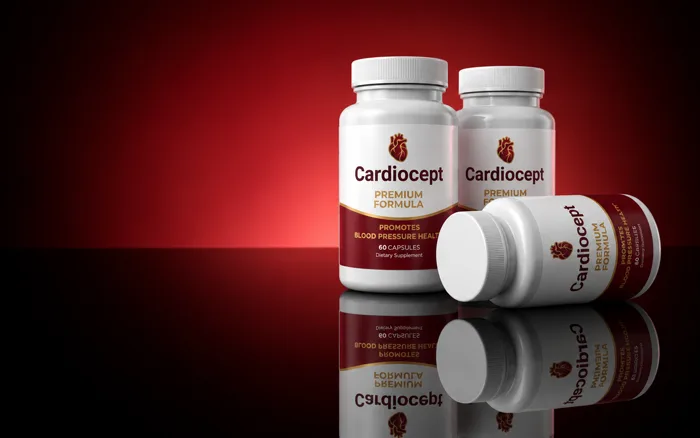
Cardiocept provides daily nutritional capsule support for heart health and cardiovascular wellness for adults managing their blood pressure routines.
- 6-Bottle Package — Lowest Price Per Bottlebest value/bottle
- 3-Bottle Package — Most Popularmost popular/bottle
- 2-Bottle Packagestarter/bottle
We may earn a commission at no extra cost to you.