 Wellness Review Labs
 By
By 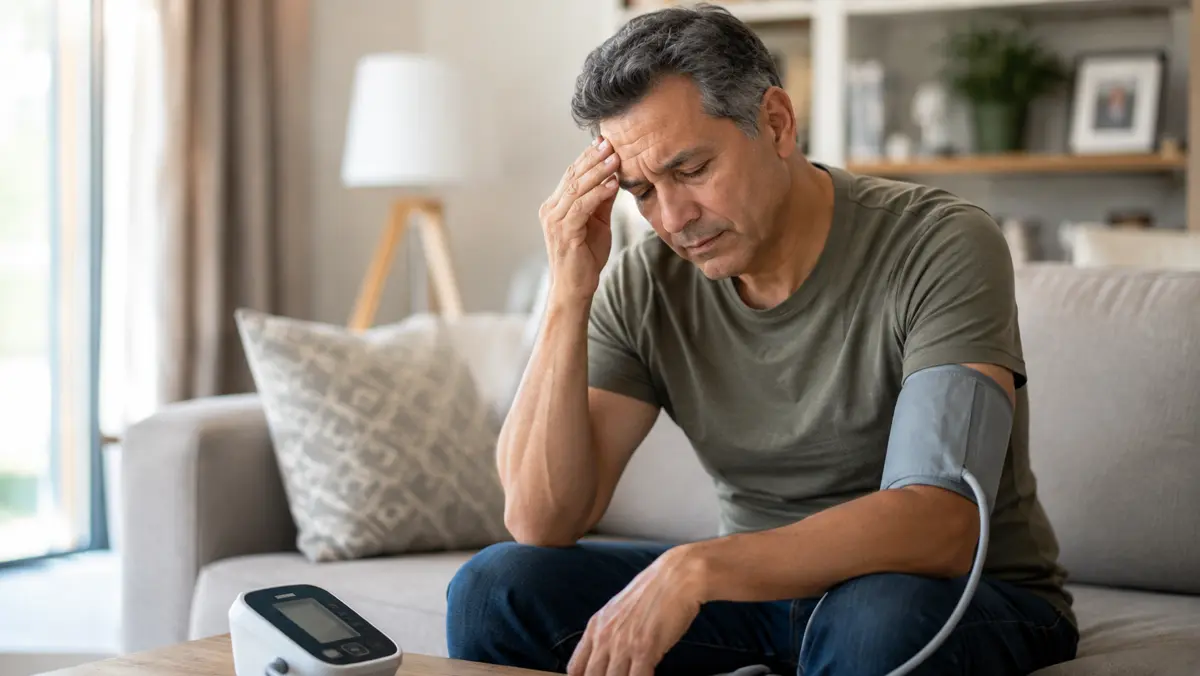
When searching for 'hypertension symptoms and signs,' it's common to feel a bit anxious, especially if you've been feeling off or have a family history of high blood pressure. The most important thing to understand upfront is that most people with hypertension don't experience clear symptoms. This is why routine blood pressure checks are so vital. It's often discovered during a regular check-up before any problems arise.
Why is Hypertension Often 'Silent'?
Your blood pressure is the force of your blood pushing against the walls of your arteries. When this pressure is consistently too high, it puts extra strain on your heart and blood vessels. Over time, this strain can damage these structures without you feeling a thing. It's not like a headache or a sprained ankle where the discomfort is immediate and obvious.
The body is incredibly adaptable. It can often compensate for elevated blood pressure for years, making it difficult for you to notice any changes in how you feel. This is a double-edged sword: while it means you might not feel ill, it also means damage could be occurring quietly in the background.
When Symptoms Do Appear: Signs of Severe Hypertension
While rare in early stages, some symptoms can signal severely high blood pressure, often referred to as a hypertensive crisis. If you experience any of these, it's crucial to seek immediate medical attention.
- Severe Headaches: Not just any headache, but often a throbbing, persistent headache that can be different from your usual tension headaches.
- Shortness of Breath: Feeling winded even with minimal exertion, or at rest.
- Nosebleeds: Frequent or unusually heavy nosebleeds without a clear cause.
- Vision Problems: Blurred vision, double vision, or temporary loss of vision.
- Chest Pain: Discomfort or pressure in the chest, which can also be a sign of other serious heart conditions.
- Dizziness or Vertigo: Feeling unsteady, lightheaded, or like the room is spinning.
- Blood in Urine: A less common but serious sign.
- Fatigue or Confusion: Feeling unusually tired, disoriented, or having trouble concentrating.
It's important to stress that these symptoms are not exclusive to hypertension and can be caused by many other conditions. However, if you have these symptoms and suspect high blood pressure, it's a signal to get checked out quickly.

Risk Factors: Who is More Likely to Develop Hypertension?
Understanding your risk factors can help you be more proactive about monitoring your blood pressure. Some factors you can't change, while others are within your control.
- Age: The risk of high blood pressure increases as you get older. It's more common in people over 60.
- Family History: If your parents or close relatives have high blood pressure, you're at increased risk.
- Obesity or Being Overweight: Carrying excess weight puts a greater strain on your heart and circulatory system.
- Lack of Physical Activity: Inactivity contributes to weight gain and can directly raise blood pressure.
- High-Sodium Diet: Too much salt can cause your body to retain fluid, increasing blood volume and pressure.
- Low-Potassium Diet: Potassium helps balance sodium levels in your cells. Not getting enough can lead to sodium buildup.
- Excessive Alcohol Consumption: Heavy drinking can raise blood pressure.
- Stress: High levels of stress can lead to temporary blood pressure spikes, and chronic stress may contribute to long-term hypertension.
- Certain Chronic Conditions: Kidney disease, sleep apnea, and thyroid problems can increase your risk.
What Actually Helps Manage Blood Pressure?
Whether you're looking to prevent hypertension or manage an existing diagnosis, lifestyle changes are often the first and most effective line of defense. These aren't quick fixes but sustainable habits that support overall cardiovascular health.
- Regular Physical Activity: Aim for at least 150 minutes of moderate-intensity aerobic activity per week, like brisk walking, swimming, or cycling. Even short bursts of activity throughout the day can make a difference.
- Balanced Diet: Focus on whole foods – plenty of fruits, vegetables, whole grains, lean proteins, and healthy fats. The DASH (Dietary Approaches to Stop Hypertension) diet is a well-researched eating plan specifically designed to lower blood pressure.
- Reduce Sodium Intake: Limit processed foods, canned soups, and restaurant meals, which are often high in sodium. Check food labels carefully.
- Maintain a Healthy Weight: Losing even a small amount of weight can significantly impact blood pressure.
- Limit Alcohol: If you drink alcohol, do so in moderation – up to one drink per day for women and up to two drinks per day for men.
- Manage Stress: Techniques like meditation, deep breathing exercises, yoga, spending time in nature, or engaging in hobbies can help reduce stress levels.
- Quit Smoking: Smoking damages blood vessel walls and significantly increases blood pressure and heart disease risk.
Beyond lifestyle, your doctor might recommend medications if lifestyle changes aren't enough or if your blood pressure is very high. These can include diuretics, ACE inhibitors, ARBs, beta-blockers, and calcium channel blockers, among others. The right medication depends on your individual health profile.
Supporting Your Cardiovascular Health with Supplements
While supplements are never a replacement for a healthy lifestyle or prescribed medication, some ingredients are recognized for their role in supporting cardiovascular health and maintaining healthy circulation. They work by various mechanisms, such as promoting healthy blood vessel function or supporting the body's natural inflammatory response.
One such option is a formula like CardioClear. It's designed to help support healthy blood flow and circulation, which are foundational to maintaining healthy blood pressure levels already within the normal range. Ingredients often found in such formulas might include hawthorn berry for heart health, hibiscus for blood pressure support, or L-arginine for nitric oxide production, which helps relax blood vessels.
It's important to remember that such supplements are meant to *support* your health, not to treat or cure hypertension. They work best as part of a comprehensive approach that includes diet, exercise, and regular medical check-ups.
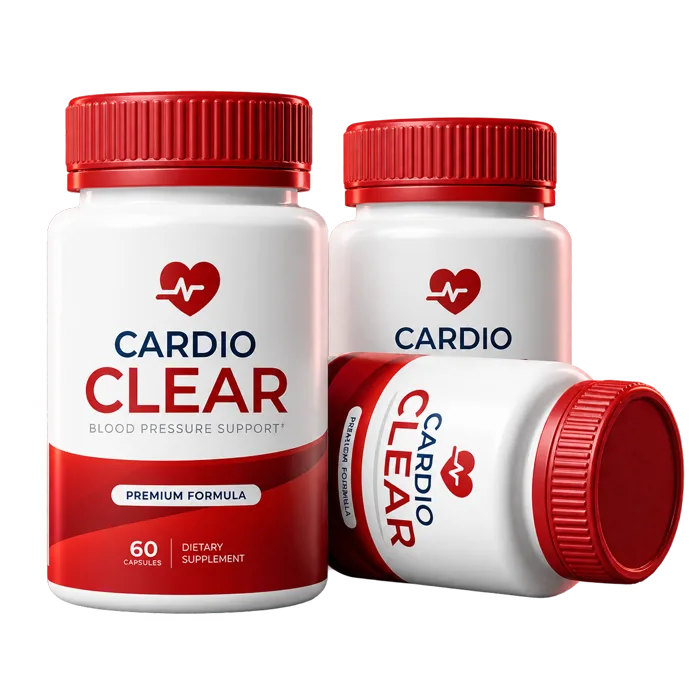
CardioClear is relevant as it is designed to help support healthy blood flow and circulation, which are foundational for maintaining healthy blood pressure levels already within the normal range, complementing the lifestyle advice provided.
- Buy 3, Get 3 Free — Lowest Price Ever$29.99/bottle
- Buy 2, Get 2 Free — Most Popular$39.99/bottle
- Buy 1, Get 1 Free$59.99/bottle
We may earn a commission at no extra cost to you.
The Importance of Regular Monitoring
Given the 'silent' nature of hypertension, regular blood pressure monitoring is your most powerful tool for early detection and management. This means getting your blood pressure checked at least once every two years if it's normal, or more frequently if you have risk factors or a diagnosis. Home blood pressure monitors can also be very useful for tracking your numbers between doctor's visits, providing a more complete picture of your blood pressure trends.
Knowing your numbers is the first step. You can't manage what you don't measure.— A wellness advocate