 Wellness Review Labs
 By
By 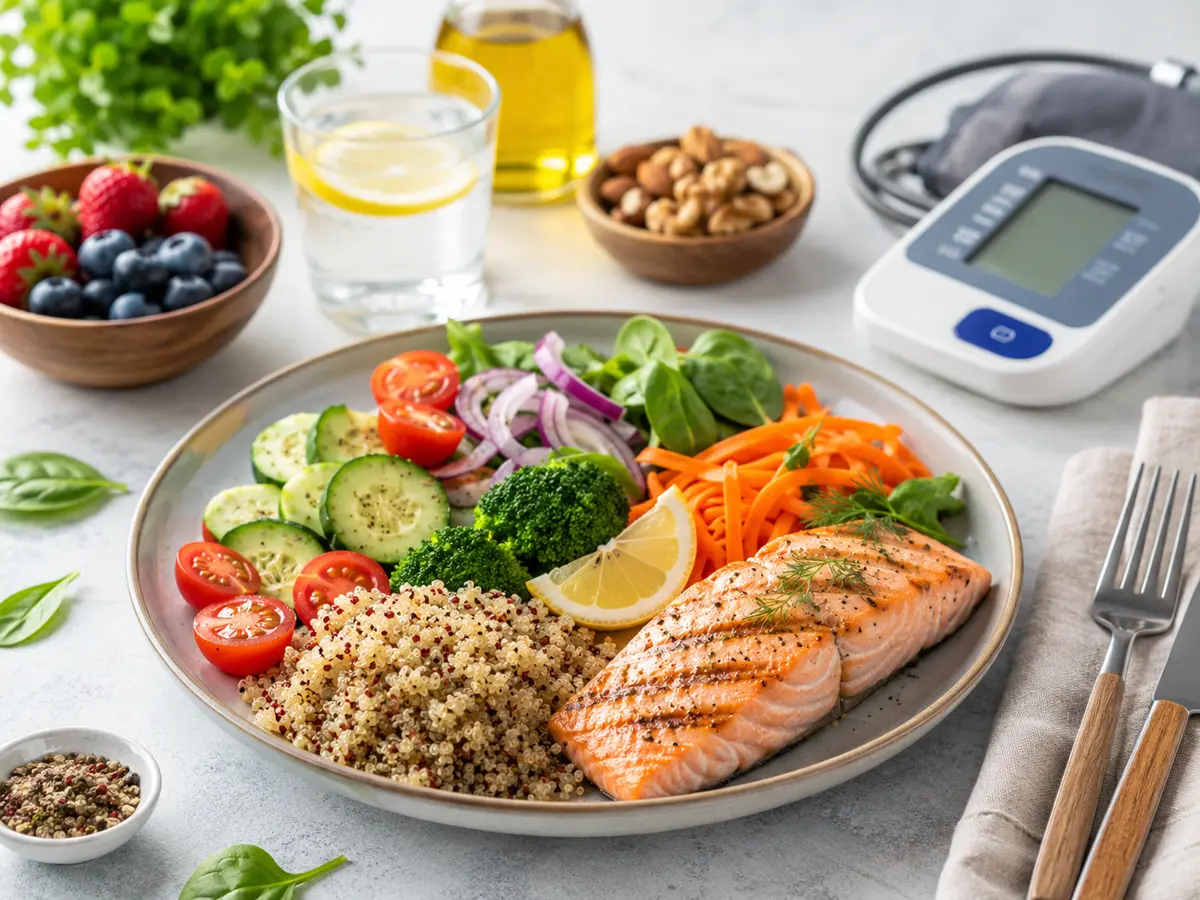
When it comes to lowering or managing high blood pressure, what you eat plays a huge role—often as significant as medication for some individuals. The best diet isn't about deprivation, but rather focusing on nutrient-rich foods that support your cardiovascular system. The most recommended approach is the DASH diet (Dietary Approaches to Stop Hypertension), which emphasizes fruits, vegetables, whole grains, lean protein, and low-fat dairy, while limiting saturated fats, cholesterol, and sodium.
The DASH Diet: A Closer Look
The DASH diet isn't a fad; it's a balanced eating plan that has been proven through research to help lower blood pressure. It’s flexible and designed to be a long-term eating strategy rather than a temporary fix. It focuses on foods you can easily find and incorporate into your daily life.
- Fruits and Vegetables: These are powerhouses of potassium, magnesium, and fiber, all crucial for blood pressure control. Aim for 4-5 servings of each per day.
- Whole Grains: Foods like brown rice, oats, and whole-wheat bread provide fiber and other nutrients that support heart health. Look for at least 3-6 servings daily.
- Lean Protein: Fish, poultry, beans, and nuts offer protein without excess saturated fat. Target 2-3 servings.
- Low-Fat Dairy: Yogurt, milk, and cheese provide calcium, which is also linked to blood pressure regulation. Aim for 2-3 servings.
- Healthy Fats: Small amounts of healthy fats from avocados, nuts, and olive oil are encouraged.
The DASH diet also naturally limits foods high in saturated fat, cholesterol, and added sugars, which can contribute to high blood pressure and other heart issues.
Sodium: The Silent Contributor to High Blood Pressure
One of the most impactful dietary changes you can make for your blood pressure is reducing your sodium intake. Most Americans consume far more sodium than recommended, largely from processed and restaurant foods. Sodium causes your body to retain water, which increases the volume of blood in your arteries, leading to higher blood pressure.
The American Heart Association recommends aiming for no more than 2,300 milligrams (mg) of sodium per day, with an ideal limit of 1,500 mg for most adults, especially those with high blood pressure.
- Read Food Labels: Look for 'low sodium,' 'reduced sodium,' or 'no salt added' versions of foods.
- Cook at Home More: This gives you control over the amount of salt in your meals.
- Use Herbs and Spices: Flavor your food with garlic, onion powder, pepper, or other salt-free seasonings instead of salt.
- Limit Processed Foods: Canned soups, frozen dinners, deli meats, and many snack foods are notorious for high sodium content.

Potassium: Sodium's Counterpart
While reducing sodium is key, increasing your intake of potassium-rich foods is equally important. Potassium helps to balance the amount of sodium in your cells, which can relax blood vessel walls and help lower blood pressure. Many fruits and vegetables are excellent sources of potassium.
- Bananas
- Sweet potatoes
- Spinach
- Avocados
- Oranges
- Tomatoes
Foods to Limit or Avoid
Beyond sodium, certain foods and drinks can actively work against your efforts to maintain healthy blood pressure. Being mindful of these can make a significant difference.
- Trans Fats and Saturated Fats: Found in red meat, fried foods, and many baked goods, these can raise bad cholesterol (LDL) and contribute to heart disease.
- Sugary Drinks: Sodas, fruit juices with added sugar, and sweetened teas can contribute to weight gain and have been linked to higher blood pressure.
- Excessive Alcohol: While moderate alcohol consumption might have some benefits for some, too much can raise blood pressure significantly. For men, this means no more than two drinks per day, and for women, one drink per day.
- Highly Processed Foods: These are often high in sodium, unhealthy fats, and added sugars, making them a triple threat to your blood pressure.
"Making gradual, sustainable changes to your diet is often more effective than drastic overhauls. Focus on adding more beneficial foods first, then slowly reduce the less healthy options."— A registered dietitian
Beyond Diet: Other Lifestyle Factors
While diet is foundational, it's part of a larger picture. Regular physical activity, maintaining a healthy weight, managing stress, and getting enough sleep are all vital components of blood pressure management. Even small changes in these areas can amplify the positive effects of your dietary choices.
How Supplements Can Support a Heart-Healthy Diet
Even with the best intentions, it can be challenging to consistently meet all your nutritional needs through diet alone. This is where targeted supplements designed to support cardiovascular health can play a role, working alongside a healthy diet and lifestyle. They are not a replacement for good eating habits but can offer additional support.
For those looking for extra support in maintaining healthy circulation and cardiovascular function, a supplement like CardioClear may be considered. CardioClear is a formula designed to promote overall cardiovascular and circulation health. It's meant to complement a healthy lifestyle, not replace it. Remember, any supplement should be discussed with your healthcare provider, especially if you are on medication for blood pressure or other conditions.
The Verdict
CardioClear may be a worthwhile consideration for individuals looking to support their cardiovascular health as part of a broader healthy lifestyle. While it is not a standalone solution, it could complement dietary changes and regular exercise in managing blood pressure.
Who This Is For — And Who It Is Not
- Individuals seeking to support overall cardiovascular wellness.
- Those looking for a supplement to complement a healthy diet and exercise routine.
- People interested in a product with a 90-day money-back guarantee.
- Adults who have discussed supplement use with their healthcare provider.
- Anyone with diagnosed high blood pressure who is not under a doctor's care.
- Individuals expecting immediate or dramatic changes in their blood pressure readings.
- Those who believe this product can replace prescribed medication or medical advice.
- People who have not consulted a healthcare professional about their blood pressure concerns.
What We Could Not Verify
We say this plainly because most pages in this category do not. Here is what we could not independently confirm about CardioClear:
- The specific ingredients and their exact dosages, as the formula is proprietary.
- Independent clinical studies directly on the CardioClear product itself.
- The full manufacturing and quality control processes used for the product.
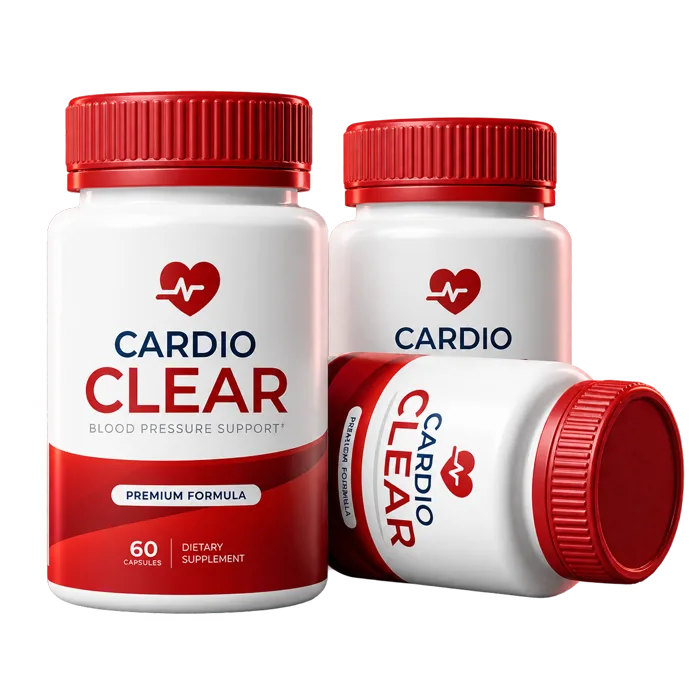
CardioClear is relevant to this keyword as it is a cardiovascular and circulation support formula that can complement a blood pressure-managing diet by providing additional nutritional support for heart health.
- Buy 3, Get 3 Free — Lowest Price Ever$29.99/bottle
- Buy 2, Get 2 Free — Most Popular$39.99/bottle
- Buy 1, Get 1 Free$59.99/bottle
We may earn a commission at no extra cost to you.