 Wellness Review Labs
 By
By 
The question of whether birth control causes weight gain is one of the most frequently asked in women's health. For many years, it was a commonly held belief that hormonal birth control, especially the pill, led to noticeable weight increase. More recent and robust research helps us understand this better, distinguishing between what's perceived and what's actually observed.
When comparing oral contraceptive pills (the 'pill') and intrauterine devices (IUDs), it's helpful to look at the hormonal mechanisms involved and the evidence surrounding each.
The Birth Control Pill and Weight: What the Research Says
Oral contraceptive pills contain synthetic forms of estrogen and progestin. These hormones work by preventing ovulation, thickening cervical mucus, and thinning the uterine lining. Early versions of the pill contained much higher hormone doses, which were indeed linked to side effects like fluid retention and some weight gain.
However, today's birth control pills have significantly lower hormone levels. Multiple large-scale reviews and studies have found that for most women, there isn't a significant or consistent weight gain directly attributable to modern oral contraceptive pills. While some individuals might report gaining a few pounds, often this is fluid retention rather than an increase in fat mass, and it tends to resolve within the first few months.
It's also worth noting that many women start birth control in their late teens or early twenties, a period when natural weight fluctuations and gradual weight gain are common regardless of birth control use. This can sometimes lead to the perception that the pill is the cause, when it might simply be a coincidence.
IUDs and Weight: Hormonal vs. Non-Hormonal
IUDs come in two main types: hormonal and non-hormonal (copper).
- Hormonal IUDs: These devices release a small, localized dose of progestin directly into the uterus. Because the hormone is delivered locally, the systemic absorption (how much gets into your bloodstream) is much lower than with oral pills. Studies generally show that hormonal IUDs are associated with very little to no weight gain for most users. Any changes are typically minor and not clinically significant.
- Non-Hormonal (Copper) IUDs: The copper IUD works by creating an inflammatory reaction in the uterus that is toxic to sperm and eggs, preventing fertilization. Since it contains no hormones, it has no impact on hormone levels in your body and therefore no direct effect on weight. This is often an appealing option for those who are particularly sensitive to hormonal changes or want to avoid them entirely.

Why the Perception of Weight Gain Persists
Even if scientific studies don't show a strong link, many women still feel like they gained weight after starting birth control. This discrepancy can be due to several factors:
- Fluid Retention: Estrogen can sometimes cause temporary fluid retention, leading to bloating and a feeling of being heavier, especially in the first few cycles on the pill. This isn't true fat gain.
- Natural Life Changes: As mentioned, weight naturally fluctuates with age, lifestyle, and metabolism. It's easy to attribute these changes to a new medication, especially one that impacts something as central as reproductive health.
- Increased Appetite (Less Common): While not a widespread side effect, a small number of individuals might experience a slight increase in appetite, which, if not managed, could lead to weight gain over time.
- Individual Variability: Everyone's body reacts differently. What one person experiences, another may not. Genetics, existing health conditions, and overall lifestyle play a big role.
Beyond Birth Control: Real Drivers of Weight Changes
For most people, weight management comes down to a few fundamental principles that are far more impactful than birth control choices. These are often the true drivers behind unwanted weight gain:
- Dietary Habits: Consuming more calories than your body burns, especially from processed foods, sugary drinks, and large portions, is the primary cause of weight gain.
- Physical Activity: A sedentary lifestyle reduces calorie expenditure and can lead to muscle loss, further slowing metabolism.
- Sleep Quality: Poor sleep can disrupt hormones that regulate appetite (ghrelin and leptin), leading to increased hunger and cravings.
- Stress Levels: Chronic stress can elevate cortisol, a hormone linked to increased appetite and fat storage, particularly around the abdomen.
- Age and Metabolism: As we age, metabolism naturally slows down, and muscle mass tends to decrease, making it easier to gain weight if diet and exercise aren't adjusted.
- Other Medications: Certain medications for conditions like depression, diabetes, or allergies can also contribute to weight gain.
Managing Your Weight Proactively
Regardless of your birth control choice, adopting healthy habits is your best strategy for maintaining a healthy weight.
- Balanced Nutrition: Focus on whole foods—plenty of fruits, vegetables, lean proteins, and whole grains. Limit added sugars, unhealthy fats, and highly processed items.
- Regular Exercise: Aim for at least 150 minutes of moderate-intensity aerobic activity or 75 minutes of vigorous activity per week, plus strength training at least twice a week.
- Adequate Sleep: Prioritize 7-9 hours of quality sleep per night.
- Stress Management: Find healthy ways to cope with stress, such as mindfulness, yoga, spending time in nature, or hobbies.
- Hydration: Drink plenty of water throughout the day. Sometimes thirst is mistaken for hunger.
A Metabolism Support Option: SlimSoda Powder
For those looking for additional support in their weight management journey, products like SlimSoda Powder are designed to help. It's a daily drink powder positioned to support metabolism and overall weight management, rather than being a direct 'weight loss pill.' It contains ingredients that may help your body's natural metabolic processes, which can be beneficial when combined with a healthy diet and active lifestyle.
It's important to understand that SlimSoda Powder, or any supplement, is not a magic bullet for weight gain or loss, especially concerning specific causes like birth control. It works by supporting existing bodily functions, not by counteracting hormonal changes from medication. Its role is to complement a holistic approach to wellness, offering support for a healthy metabolism which is foundational to weight management.
SlimSoda Powder is formulated with ingredients that may help support:
- Healthy metabolic rate
- Energy levels
- Digestion
It's not designed to directly prevent or reverse weight gain from birth control, but rather to support your body's natural ability to manage weight when combined with healthy habits.
The Verdict
SlimSoda Powder may offer some support for individuals experiencing minor, diet-related weight fluctuations, particularly those who find convenience in a powdered supplement. However, for significant or persistent weight gain concerns, especially those potentially linked to hormonal birth control like the Pill or IUD, this product is unlikely to be a primary solution.
Who This Is For — And Who It Is Not
- Individuals looking for an easy-to-mix dietary supplement.
- Those seeking general metabolic support as part of a balanced lifestyle.
- People who prefer a powdered format for their supplements.
- Anyone experiencing significant or rapid weight gain potentially linked to medication or underlying health conditions.
- Individuals expecting dramatic or immediate weight loss results.
- Those who need medical advice or treatment for weight management.
- Anyone seeking to replace prescribed medication or medical intervention.
What We Could Not Verify
We say this plainly because most pages in this category do not. Here is what we could not independently confirm about SlimSoda Powder:
- The specific ingredients and their concentrations within the proprietary blend.
- Independent clinical trials supporting its effectiveness for weight management.
- The exact mechanisms by which it supports metabolism.
- The typical timeframe for observing any potential effects.
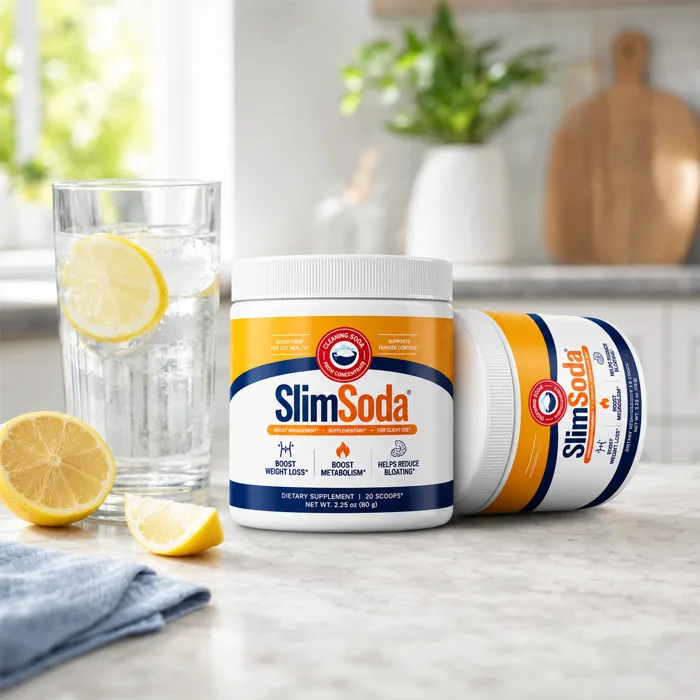
SlimSoda Powder is relevant as an optional metabolism support, offering a complementary approach to weight management alongside healthy lifestyle choices, rather than directly addressing birth control-related weight concerns.
- Buy 3, Get 3 Free — Lowest Price Ever$19.99/bottle
- Buy 2, Get 2 Free — Most Popular$27.49/bottle
- Buy 1, Get 1 Free$44.75/bottle
We may earn a commission at no extra cost to you.
Making Your Birth Control Decision
When choosing between the pill and an IUD, or any birth control method, it's crucial to discuss all your concerns with your healthcare provider. They can help you weigh the benefits and risks based on your individual health history, lifestyle, and preferences. While weight gain is a valid concern, it often shouldn't be the sole deciding factor, especially given the limited evidence linking significant weight gain to modern birth control methods.
Ultimately, the best birth control method for you is one that you feel comfortable with, that effectively prevents pregnancy, and that has side effects you can manage. For most women, neither the pill nor an IUD will cause significant, unwanted weight gain, especially when paired with a healthy lifestyle.