 Wellness Review Labs
 By

The active sleep aid in Tylenol PM is diphenhydramine hydrochloride. Each caplet contains 25 milligrams of this compound, along with 500 milligrams of acetaminophen, the common pain reliever found in regular Extra Strength Tylenol. A standard two-caplet adult dose delivers 50 milligrams of diphenhydramine and 1,000 milligrams of acetaminophen.
Diphenhydramine was not originally designed as a sleep medicine. It is a first-generation antihistamine originally developed in the 1940s to relieve allergy symptoms like sneezing, runny nose, and hives. Drowsiness was technically an unintended side effect. Over the decades, drug manufacturers realized that this sedating side effect could be repurposed into an over-the-counter nighttime product.
How Diphenhydramine Makes You Drowsy
To understand why diphenhydramine makes you feel sluggish, you have to look at how your brain regulates wakefulness. Histamine is not just a chemical involved in allergic reactions; in the central nervous system, it acts as a primary neurotransmitter responsible for keeping you alert, focused, and awake.
Because diphenhydramine easily crosses the blood-brain barrier, it blocks central H1 histamine receptors. When those receptors are blocked, the brain's internal 'alertness switch' is turned down, creating heavy eyelids and physical lethargy. That is why you start feeling drowsy roughly 20 to 45 minutes after swallowing the caplets.
However, sedation is not the same as natural, restorative rest. Diphenhydramine tends to suppress rapid eye movement (REM) sleep and alter deep slow-wave stages. While it may knock you out quickly, the quality of the sleep cycle itself is often shallow, fragmented, and unrefreshing.
The Real Problem with Nightly Use After 50
Taking Tylenol PM once in a great while for a toothache or back spasm that keeps you awake rarely causes lasting harm. The trouble starts when a three-day fix turns into a three-month habit. If you are over the age of 50, the risks rise significantly.
Diphenhydramine carries potent anticholinergic properties. This means it blocks acetylcholine, a crucial messenger chemical in the brain and peripheral nervous system that governs memory, muscle contraction, bladder function, and digestion. In older bodies, these effects become pronounced and uncomfortable.
- Morning brain fog and lingering grogginess that persists well past breakfast.
- Severe dry mouth, which increases the risk of dental decay and throat irritation.
- Urinary retention, particularly in men with mild prostate enlargement.
- Constipation and slowed gut motility.
- Blurred vision and elevated fall risk during middle-of-the-night bathroom visits.

Why Taking Acetaminophen Without Pain Is Unnecessary
There is a second issue hiding in that blue bottle: acetaminophen. If you have joint pain, muscle stiffness, or an acute injury alongside sleeplessness, treating both at once makes sense. But if your only symptom is an inability to fall asleep, taking 1,000 milligrams of acetaminophen every night serves no clinical purpose.
Acetaminophen is processed through the liver. In healthy adults, the liver neutralizes the compound safely, provided doses stay within standard guidelines (generally below 3,000 to 4,000 milligrams in a 24-hour period from all sources). Yet many individuals accidentally combine Tylenol PM with cold syrups, sinus capsules, or prescription pain relievers that also contain acetaminophen.
Taking a daily dose of a liver-processed analgesic solely for its accompanying antihistamine is simply an inefficient, high-friction way to address a sleep complaint.
Why Antihistamines Stop Working So Quickly
Have you noticed that Tylenol PM seemed miraculous on Monday, acceptable on Wednesday, and almost useless by Sunday? That experience is normal pharmacology at work. The human brain adapts to H1 receptor blockade with remarkable speed.
Clinical research shows that tolerance to the sedative properties of diphenhydramine can begin developing in as few as three consecutive nights. By day seven, many users experience minimal sedative benefit, yet they continue taking it out of fear that skipping a night will trigger immediate rebound insomnia.
People assume an over-the-counter medicine that worked on night one will keep working indefinitely. With diphenhydramine, the sedation fades rapidly, but the anticholinergic side effects remain fully active.— Clinical Pharmacy Observation
Free, Reliable Habits That Help Rebuild Natural Sleep
Before spending money on any pill or supplement, it is worth auditing the daily habits that regulate your internal circadian rhythm. Your body wants to sleep; sometimes modern indoor routines merely send conflicting signals.
- Get natural sunlight in your eyes within 30 minutes of waking. Ten to fifteen minutes of morning light sets your biological clock and promotes natural melatonin release twelve hours later.
- Set a firm caffeine cutoff time at 12:00 PM. Even if you fall asleep easily with caffeine in your blood, it degrades your deep slow-wave sleep cycles.
- Keep your sleeping room cool—ideally between 64 and 68 degrees Fahrenheit. Core body temperature must drop by roughly two degrees to trigger deep sleep.
- Establish a 45-minute wind-down buffer where overhead lights are dimmed and backlit screens are replaced with warm lamps and low-stress reading.
A Gentler Approach: Where Sonnus Fits
If you have tightened up your bedtime routine and still need extra support, moving away from pharmaceutical antihistamines and unnecessary analgesics is a sensible transition. This is where targeted nutritional formulas come into play.
At Wellness Review Labs, one of the formulas we track in the rest category is Sonnus. Unlike nighttime pain medications, Sonnus is completely drug-free, non-habit-forming, and designed without acetaminophen or first-generation antihistamines.
The formula focuses on botanical extracts, amino acids, and minerals that help support your body's innate relaxation pathways rather than forcing chemical sedation. It is designed to promote a calmer nervous system at bedtime and support healthy sleep continuity, helping you wake without that heavy, foggy hangover typical of diphenhydramine.
To be completely candid: Sonnus is not an instant knock-out pill, nor will it treat underlying medical sleep disorders like sleep apnea. What it does offer is a clean, non-medicated baseline for adults who want to nourish their natural rest architecture without burdening their liver or dulling their morning focus. Pricing starts at $19.99 per bottle, and it is backed by a 90-day money-back guarantee.
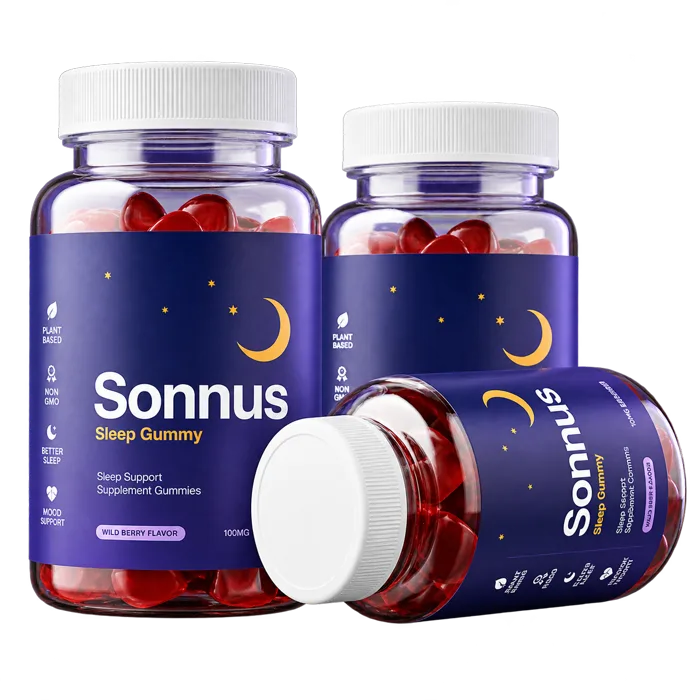
Sonnus offers a clean, non-habit-forming alternative for individuals wanting to step away from the diphenhydramine and acetaminophen found in Tylenol PM without groggy mornings.
- Buy 3, Get 3 Free — Lowest Price Ever$19.99/bottle
- Buy 2, Get 2 Free — Most Popular$27.49/bottle
- Buy 1, Get 1 Free$44.75/bottle
We may earn a commission at no extra cost to you.
How to Safely Move Away from Nightly Antihistamines
If you have taken Tylenol PM or straight diphenhydramine every night for weeks or months, stopping abruptly can sometimes trigger temporary rebound insomnia. For two or three nights, falling asleep may feel harder than usual as your brain's histamine system recalibrates.
A gradual step-down often works best. You can move from two caplets down to one for several nights, or shift to taking it every other evening while introducing calming bedtime routines. Remind yourself that mild restlessness during this transition is completely normal and typically resolves within a few days.