 Wellness Review Labs
 By
By 
The short answer is that gentle, non-serotonergic supplements—such as magnesium glycinate, L-theanine, and low-dose melatonin (under 3 mg)—are widely considered the safest starting points to discuss with your doctor. Common prescription additions include low-dose trazodone or mirtazapine, prescribed under careful supervision. However, you must avoid supplements that raise serotonin levels, such as 5-HTP and St. John's Wort, because combining them with Prozac raises the risk of a dangerous medical condition called serotonin syndrome.
Before taking any pill to knock yourself out, it helps to understand why your antidepressant is keeping you awake and how to choose solutions that work with your nervous system rather than against it.
Why Prozac Disrupts Sleep
Fluoxetine works by blocking the reabsorption of serotonin in the brain, allowing more of this key neurotransmitter to remain available between nerve cells. While this helps elevate mood and reduce anxiety over time, serotonin also plays an active role in the sleep-wake cycle.
Unlike more sedating antidepressants, Prozac tends to have an energizing effect. In the first few weeks of starting or increasing a dose, it can stimulate the central nervous system, leading to difficulty falling asleep, more frequent night awakenings, and a reduction in deep, restorative REM sleep. For many people, this side effect peaks within the first month and gradually settles. For others, light and fragmented sleep becomes a persistent issue.
Sleep Aids to Strictly Avoid With Prozac
When sleep deprivation sets in, it is tempting to grab whatever natural sleep remedy is on the drugstore shelf. But natural does not mean harmless. Combining certain over-the-counter supplements with an SSRI can cause serious neurological complications.
- 5-HTP (5-Hydroxytryptophan): This compound is a direct chemical precursor to serotonin. Taking it alongside fluoxetine can flood your central nervous system with excessive serotonin, potentially triggering serotonin syndrome—a condition marked by tremors, high fever, rapid heart rate, confusion, and shivering.
- L-Tryptophan: Similar to 5-HTP, high-dose supplemental tryptophan increases serotonin synthesis and should be avoided with SSRIs.
- St. John's Wort: Often sold for low mood and sleep, this herbal remedy has strong serotonergic activity and is known to interact with dozens of prescription medications, including fluoxetine.
- Diphenhydramine and Doxylamine: Found in products like Benadryl, Unisom, and most 'PM' pain relievers, these older antihistamines carry an anticholinergic burden. In adults over 45, they can cause lingering morning grogginess, dry mouth, urinary retention, and increased fall risk without improving restorative sleep architecture.
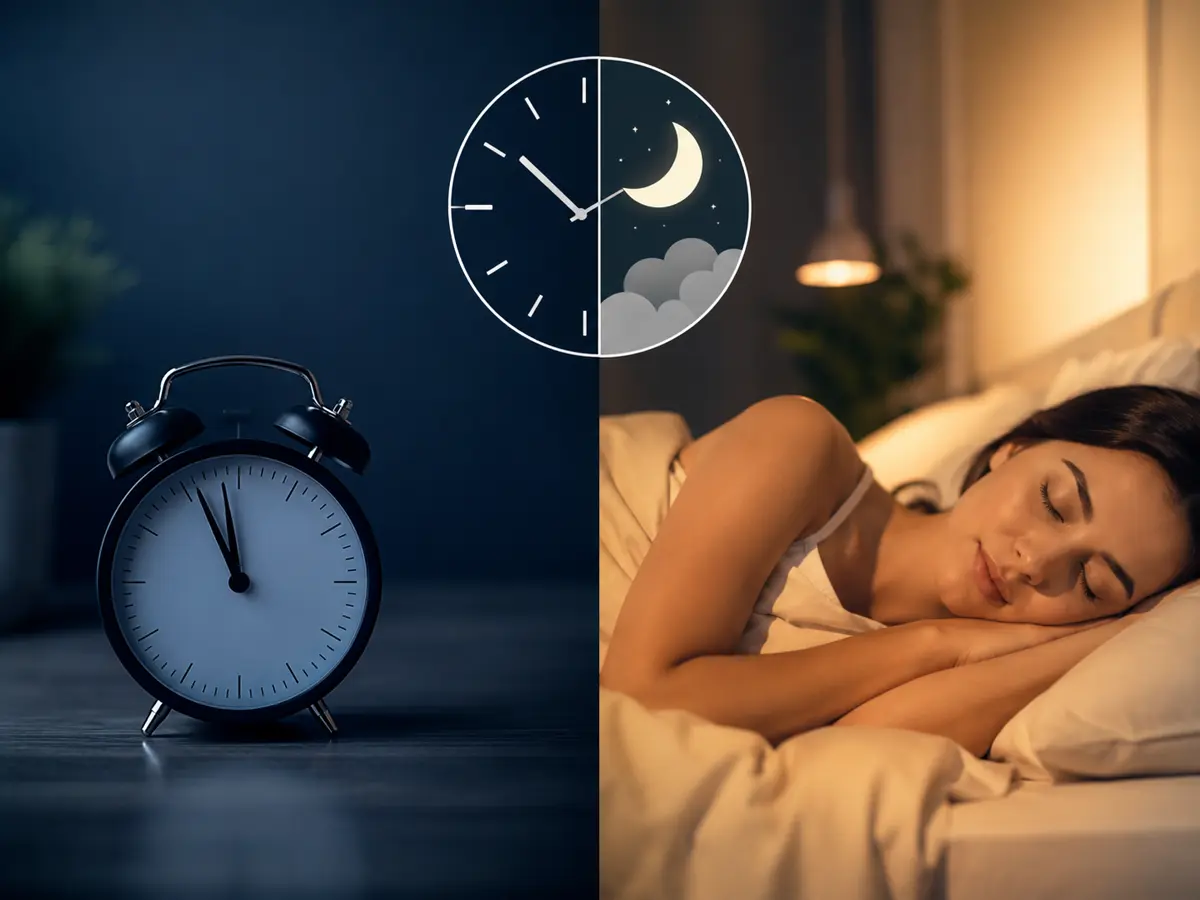
Gentler Supplements That Do Not Increase Serotonin
If you are looking for non-prescription options to discuss with your physician, the safest categories are those that promote relaxation through other chemical pathways, such as GABA receptors or nervous system calming, rather than increasing serotonin production.
Magnesium Glycinate: Magnesium supports normal muscle relaxation and plays a role in regulating neurotransmitters that calm the brain. The glycinate form is paired with glycine, an amino acid that has its own mild calming effect on body temperature and sleep initiation. It is generally well tolerated and does not interact directly with SSRIs.
L-Theanine: An amino acid naturally occurring in green tea leaves, L-theanine promotes relaxed alertness and can help quiet nighttime racing thoughts by supporting GABA and soothing physical stress responses, without causing heavy morning sedation.
Low-Dose Melatonin: Melatonin tells the body it is night, but it does not act as a tranquilizer. While higher doses (5 mg to 10 mg) often lead to vivid dreams or morning fatigue—especially when combined with fluoxetine—micro-doses between 0.5 mg and 2 mg can help realign a disrupted circadian clock with minimal interference.
Chamomile and Passionflower: Traditional calming herbs contain plant flavonoids (like apigenin) that bind gently to brain receptors involved in reducing restlessness. They do not force the brain into sleep, but they can smooth the transition to winding down.
When someone on fluoxetine asks about sleep support, our first goal is always keeping the serotonin pathway untouched. We look for simple, restorative minerals and calming botanical compounds that quiet physical tension without confusing the brain's chemistry.— Clinical Pharmacy Practice Guidance
Prescription Alternatives Your Doctor Might Consider
If non-prescription methods are not enough, your physician has several established options for addressing fluoxetine-induced insomnia. Rather than switching antidepressants entirely, doctors frequently prescribe small secondary medications that counteract sleep disruption.
- Low-Dose Trazodone: At low doses (25 mg to 50 mg), trazodone primarily acts on histamine and alpha-1 receptors rather than serotonin reuptake, providing reliable nighttime sedation. It is one of the most frequently co-prescribed sleep aids for patients on SSRIs, though it still requires medical monitoring.
- Low-Dose Mirtazapine: Another antidepressant that acts as a potent sedative at lower doses (7.5 mg to 15 mg), helping individuals who struggle with both sleep maintenance and poor appetite.
- Adjusting Fluoxetine Timing: Simply shifting your Prozac intake from evening to early morning (ideally with breakfast) allows the peak blood concentration to occur during your active hours rather than while you are trying to wind down.
Foundational Habits to Reclaim Rest
No supplement or pill replaces the signals your body relies on to prepare for deep rest. Because Prozac slightly raises the baseline arousal of your nervous system, sleep hygiene becomes twice as important as it was before you started the medication.
Start with light exposure. Get 10 to 15 minutes of direct morning sunlight into your eyes within an hour of waking. This anchors your central clock and triggers the natural countdown toward nighttime melatonin release. In the evening, dim your household lighting after 8:00 p.m. and eliminate bright phone or tablet screens at least 45 minutes before lying down.
Watch your caffeine intake closely. Fluoxetine can modestly slow the clearance of certain compounds through liver enzymes. If you used to drink coffee until 2:00 p.m. without problem, you may now find that any caffeine consumed after 10:00 a.m. remains active in your system at bedtime.
An Option to Consider: Sonnus Sleep Support
For individuals seeking a gentle, drug-free nightly routine, Sonnus is a botanical and mineral sleep support formula designed to encourage relaxation without heavy sedatives. Importantly for those on SSRIs, Sonnus is formulated without direct serotonin precursors like 5-HTP or concentrated L-tryptophan.
Instead, it relies on gentle botanicals and supporting nutrients designed to help quiet physical tension, ease mental chatter, and encourage your natural sleep rhythms. It is non-habit-forming, does not leave you with the groggy hangover associated with antihistamines, and is covered by a 90-day money-back guarantee with pricing starting from $19.99 per bottle.
What Sonnus will not do is knock you out cold like a heavy prescription sedative. It is intended to support the body's natural transition into rest, not override your biology. As with any new supplement, bring the ingredient label to your prescribing doctor or pharmacist before introducing it alongside your Prozac regimen.

Sonnus offers a gentle, non-serotonergic formula free from 5-HTP or heavy sedatives, making it a thoughtful non-habit-forming option to discuss with your doctor while taking Prozac.
- Buy 3, Get 3 Free — Lowest Price Ever$19.99/bottle
- Buy 2, Get 2 Free — Most Popular$27.49/bottle
- Buy 1, Get 1 Free$44.75/bottle
We may earn a commission at no extra cost to you.
How to Talk to Your Doctor About Insomnia
You do not have to endure months of poor sleep as the price for managing anxiety or depression. When you speak with your doctor, be specific about your sleep pattern: Are you struggling to fall asleep, waking up multiple times, or waking up at 4:00 a.m. unable to get back to sleep?
Mention how long the issue has lasted, whether it began immediately after starting fluoxetine or after a dose increase, and bring an exact list of every supplement or tea you currently use. Together, you and your healthcare provider can build a safe, personalized plan to protect both your mental health and your nighttime rest.