 Wellness Review Labs
 By
By 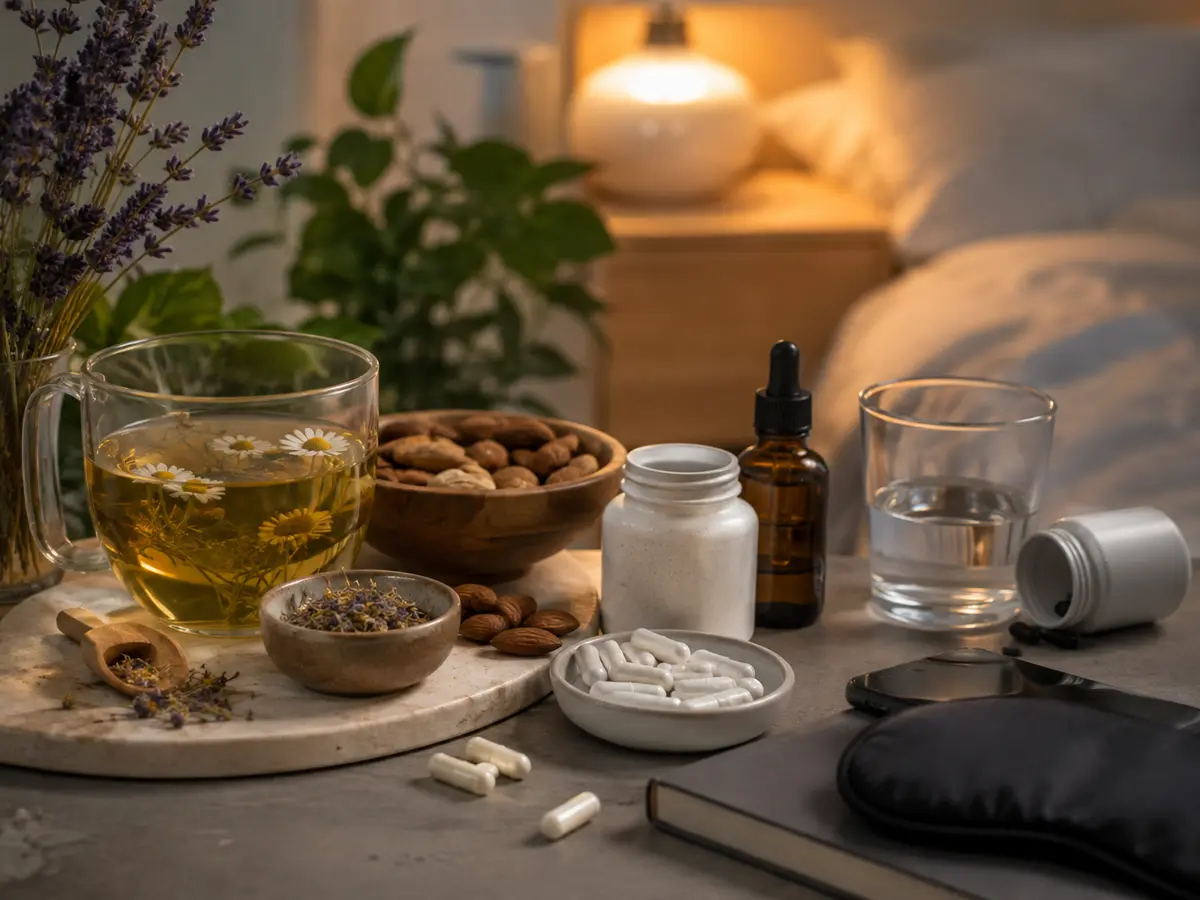
To answer the most pressing question first: Yes, Hormone Replacement Therapy (HRT) can significantly improve sleep quality for many women going through menopause. It does this primarily by reducing vasomotor symptoms—the medical term for hot flashes and night sweats—which are the leading cause of nighttime awakenings during this transition. However, HRT is not a universal cure-all for insomnia. If your sleep struggles are driven by anxiety, age-related sleep architecture changes, or poor sleep habits, hormones alone may not solve the problem.
How Menopause Disrupts Your Sleep
During the transition into menopause, your ovaries gradually produce less estrogen and progesterone. This hormonal decline disrupts several systems in your body that are directly responsible for regulating sleep.
First, estrogen plays a key role in regulating your body's internal thermostat, located in the hypothalamus. When estrogen levels fluctuate and drop, this thermostat becomes highly sensitive, misinterpreting minor temperature changes as extreme heat. The body responds by dilating blood vessels and sweating to cool down, resulting in the dreaded hot flash. If this happens at night, it triggers a sudden spike in heart rate and adrenaline, waking you up instantly.
Second, progesterone is a hormone with natural calming and sleep-promoting properties. It interacts with GABA receptors in the brain—the same receptors targeted by some prescription sleep aids. As progesterone levels decline, you may find it harder to quiet your mind and fall asleep in the first place.
Finally, these hormonal shifts can affect your body's production of melatonin, the hormone responsible for signaling that it is time to sleep, while also making you more susceptible to joint pain, mood changes, and bladder urgency, all of which further fragment your night.
Does HRT Actually Fix Menopause Insomnia?
For many women, starting HRT provides dramatic relief from sleep disturbances. By replacing the missing estrogen, HRT helps stabilize the brain's temperature control center, significantly reducing or even eliminating night sweats. When you are no longer waking up drenched in sweat, your sleep cycles can normalize, allowing for deeper, more restorative REM and slow-wave sleep.
Additionally, if you are prescribed micronized progesterone (often taken at bedtime), you may experience a gentle, relaxing effect that helps you wind down. This combination can address both the physical and mental barriers to sleep.
However, the clinical evidence shows that HRT is most effective for sleep when night sweats are the primary cause of the disruption. If you suffer from primary insomnia—meaning you lie awake with a racing mind even when the room is cool and you have no physical symptoms—HRT may only offer partial relief. In those cases, addressing behavioral habits and stress levels is crucial.
I used to wake up three or four times a night soaked through my sheets. Once my doctor started me on a low-dose estrogen patch and nighttime progesterone, the night sweats stopped within three weeks. I still have trouble falling asleep when I am stressed, but at least I am not waking up cold and wet anymore.— A 52-year-old reader sharing her experience with midlife sleep changes

Non-Hormonal and Behavioral Strategies for Better Sleep
Whether you choose to use HRT or cannot take it due to medical reasons, behavioral and lifestyle adjustments form the foundation of healthy sleep. These strategies are free, safe, and highly effective over the long term.
- Optimize your bedroom temperature: Keep your thermostat between 60 and 67 degrees Fahrenheit. Use breathable cotton or bamboo sheets, and consider a bedside fan or dual-zone cooling mattress pad.
- Implement a strict wind-down routine: Avoid screens for at least one hour before bed. The blue light from phones and tablets suppresses melatonin production, making it harder for your brain to transition into sleep mode.
- Limit alcohol and caffeine: While alcohol might make you feel drowsy initially, it disrupts your sleep architecture, prevents deep sleep, and is a well-known trigger for nighttime hot flashes. Avoid caffeine after midday.
- Practice Cognitive Behavioral Therapy for Insomnia (CBT-I): This structured program helps you identify and replace thoughts and behaviors that contribute to sleep issues. It is widely considered the gold-standard first-line support for chronic insomnia.
Natural Supplements to Support Healthy Sleep
If you are looking for additional support without turning to prescription sleeping pills—which can be habit-forming and carry unwanted side effects—certain natural ingredients can help support your body's natural transition into sleep.
Some of the most well-researched natural ingredients include:
- Magnesium: Helps support muscle relaxation and promotes a calm nervous system by interacting with GABA pathways.
- L-Theanine: An amino acid commonly found in green tea that helps quiet a racing mind and supports relaxation without causing daytime drowsiness.
- Melatonin: A low dose of this hormone can help signal to your body that it is time to sleep, helping to restore a disrupted circadian rhythm.
- Chamomile and Valerian Root: Traditional herbs used for centuries to promote relaxation and ease occasional restlessness.
Considering a Drug-Free Option: Sonnus
For those seeking a gentle, non-habit-forming way to support restful sleep without relying on hormones or prescription drugs, natural sleep formulas can be an excellent option. One such option is Sonnus.
Sonnus is a natural sleep support formula designed to promote deep, restorative rest and help you wake up feeling refreshed. It is entirely drug-free and non-habit-forming, making it suitable for nightly use or occasional support when stress levels are high.
What it does: Sonnus works by supplying your body with gentle, natural ingredients that support the relaxation pathways in your brain, helping to ease the mental tension that often keeps you awake during midlife transitions.
What it does not do: Sonnus is not a hormone replacement therapy. It will not replace lost estrogen or progesterone, and it is not designed to stop severe, physically disruptive night sweats on its own. It is a supportive tool to help calm your nervous system so you can drift off more easily.
Sonnus is available starting at $19.99 per bottle, making it an accessible addition to your bedtime routine. It also comes with a reassuring 90-day money-back guarantee, allowing you to try it risk-free to see if it helps improve your sleep quality.

Sonnus offers a drug-free, hormone-free alternative to support relaxation and sleep quality for those who cannot take HRT or want to complement their lifestyle changes.
- Buy 3, Get 3 Free — Lowest Price Ever$19.99/bottle
- Buy 2, Get 2 Free — Most Popular$27.49/bottle
- Buy 1, Get 1 Free$44.75/bottle
We may earn a commission at no extra cost to you.
How to Decide on Your Best Path Forward
Finding relief from menopause insomnia often requires a multi-layered approach. If your sleep issues are primarily driven by severe hot flashes and night sweats, scheduling a conversation with your healthcare provider to discuss HRT is a logical first step. They can help you weigh the benefits against your personal medical history.
If you cannot take HRT, choose not to, or find that hormones only solve part of the problem, focusing on sleep hygiene, stress reduction, and gentle natural supports like Sonnus can help you build a reliable, drug-free routine for lasting rest.