 Wellness Review Labs
 By
By 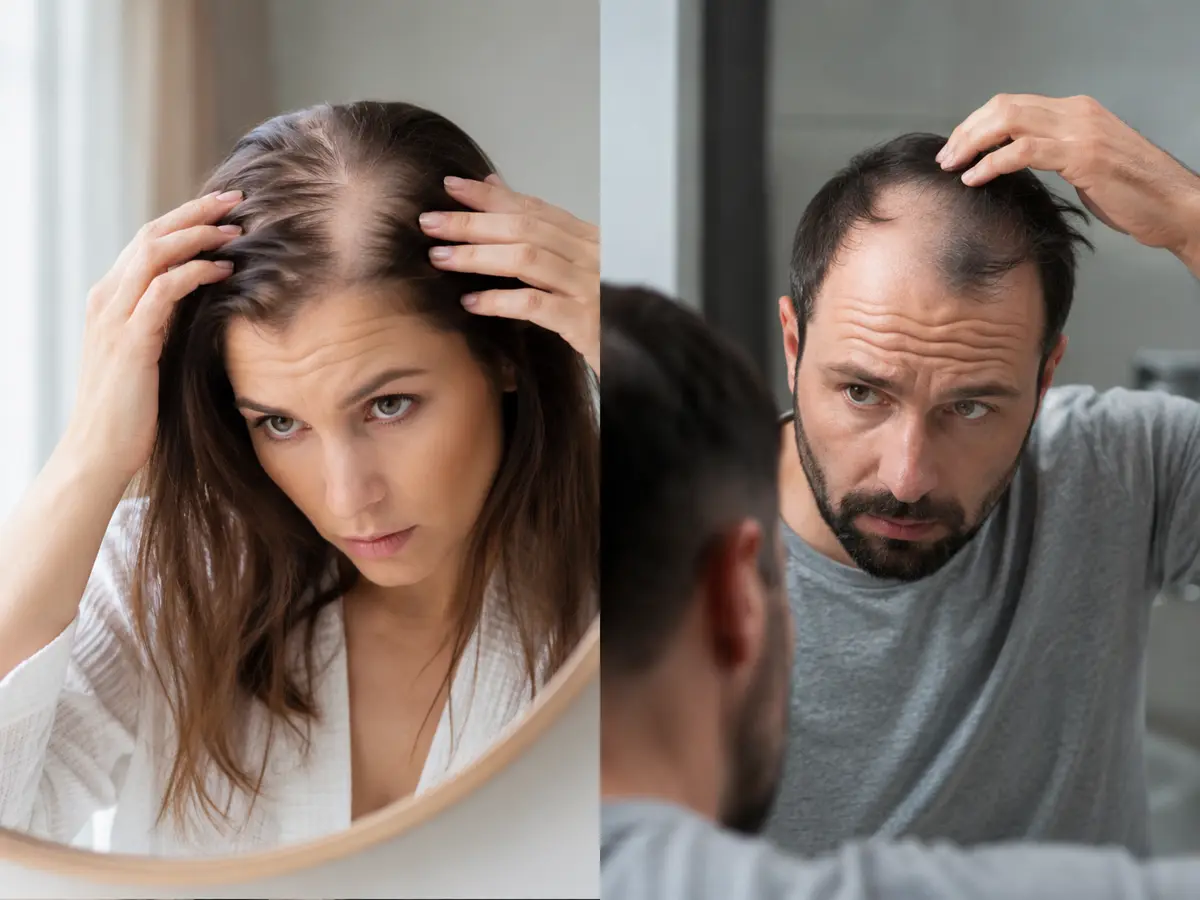
When it comes to hair loss, the fundamental difference between women and men often lies in the pattern. For men, the classic presentation is often a receding hairline and thinning at the crown, eventually leading to a horseshoe-shaped pattern of hair around the sides and back of the head. This is commonly known as male pattern baldness.
In women, the picture is usually different. Women typically experience diffuse thinning over the entire scalp, often most noticeable at the part line, which gradually widens. The hairline usually remains intact. This is known as female pattern hair loss.
The Role of Hormones: Androgens and Estrogens
Hormones are central to hair growth and loss for both sexes. For men, the primary culprit in male pattern baldness is often dihydrotestosterone (DHT), a potent derivative of testosterone. Hair follicles that are genetically sensitive to DHT can shrink and eventually stop producing hair, a process called miniaturization.
In women, the hormonal landscape is more complex. While androgens (male hormones) can play a role, especially in conditions like Polycystic Ovary Syndrome (PCOS), estrogen also significantly influences hair health. Fluctuations in estrogen levels, such as those experienced during pregnancy, childbirth, or menopause, can trigger noticeable hair shedding or thinning.
Common Causes Beyond Genetics and Hormones
While genetics and hormones are major players, many other factors can contribute to hair loss in both men and women. Understanding these can help you identify potential areas for improvement.
- Stress: Significant physical or emotional stress can push a large number of hair follicles into a resting phase, leading to noticeable shedding a few months later. This is called telogen effluvium and is often temporary.
- Nutritional Deficiencies: Lack of essential vitamins and minerals like iron, zinc, biotin, and vitamin D can impact hair growth. A balanced diet is crucial for healthy hair.
- Medical Conditions: Thyroid disorders, autoimmune diseases (like alopecia areata), and scalp infections can all cause hair loss. Addressing the underlying condition is key.
- Medications: Certain drugs, including those for cancer, arthritis, depression, heart problems, and high blood pressure, can have hair loss as a side effect.
- Hairstyles and Treatments: Tight hairstyles that pull on the hair (e.g., tight ponytails, braids) can cause traction alopecia. Harsh chemical treatments or excessive heat styling can also damage hair over time.
Addressing Hair Loss: What Actually Helps?
No matter your gender, the first step is always to understand the cause. A visit to a healthcare provider or dermatologist can help pinpoint why you're experiencing hair loss and guide you toward appropriate solutions.
Here are some common approaches and things you can do:
- Medications: Minoxidil (often sold as Rogaine) is an over-the-counter topical treatment approved for both men and women. For men, finasteride (Propecia) is a prescription oral medication. For women, certain anti-androgens might be prescribed in specific cases.
- Lifestyle Adjustments: Managing stress through mindfulness, exercise, or hobbies can make a difference. Ensuring you get adequate sleep and avoid smoking can also support overall hair health.
- Nutritional Support: Eating a diet rich in protein, fruits, vegetables, and whole grains provides the building blocks for healthy hair. If dietary intake is insufficient, supplements can help fill gaps.
- Gentle Hair Care: Avoid harsh shampoos, excessive heat styling, and tight hairstyles. Use a wide-tooth comb and be gentle when brushing wet hair.
- Scalp Health: A healthy scalp is fundamental to healthy hair growth. Regular, gentle massage can help stimulate blood flow, and using products that don't irritate the scalp is important.
“I started noticing my part widening, and it really bothered me. Learning about the different types of hair loss helped me understand what steps I needed to take.”— A concerned reader
Nutritional Support for Hair Health
While no supplement can cure genetic hair loss or replace medical treatments, certain nutrients are vital for maintaining healthy hair follicles and supporting growth. These include B vitamins (especially biotin), vitamin D, iron, zinc, and collagen.
For those looking to support their hair health through nutritional means, a supplement like Crowned — our hair, skin, and nail support formula — might be an option to consider. Crowned is designed to promote the intake of key nutrients that play a role in hair structure and growth. It includes ingredients like biotin, hydrolyzed collagen, and silica, which are often cited for their roles in maintaining hair's strength and appearance. It's important to remember that such supplements work best as part of a holistic approach that includes a balanced diet and healthy lifestyle. Crowned does not treat medical conditions or cure genetic hair loss, but it aims to provide foundational nutritional support for your hair, skin, and nails.
The Verdict
Given the distinct patterns of hair loss in women compared to men, Crowned may be a reasonable consideration for women experiencing general hair thinning, particularly if they are seeking a supportive supplement. While it is not a targeted solution for specific medical conditions, its focus on overall hair health aligns with a holistic approach to managing non-medical hair loss.
Who This Is For — And Who It Is Not
- Women experiencing gradual, non-medical hair thinning.
- Individuals looking for a supplement to support existing hair health routines.
- Those interested in a product with a 90-day money-back guarantee.
- Women seeking to promote the appearance of healthier hair.
- Anyone with sudden, significant, or unexplained hair loss; consult a doctor first.
- Individuals expecting rapid or dramatic hair regrowth.
- Those with underlying medical conditions contributing to hair loss.
- Anyone currently taking prescription medication for hair loss without consulting a healthcare professional.
What We Could Not Verify
We say this plainly because most pages in this category do not. Here is what we could not independently confirm about Crowned:
- The specific ingredient list or formula of the product.
- Independent clinical studies on Crowned's effectiveness.
- The exact mechanisms by which Crowned supports hair health.
- The typical timeframe for observing any potential benefits.
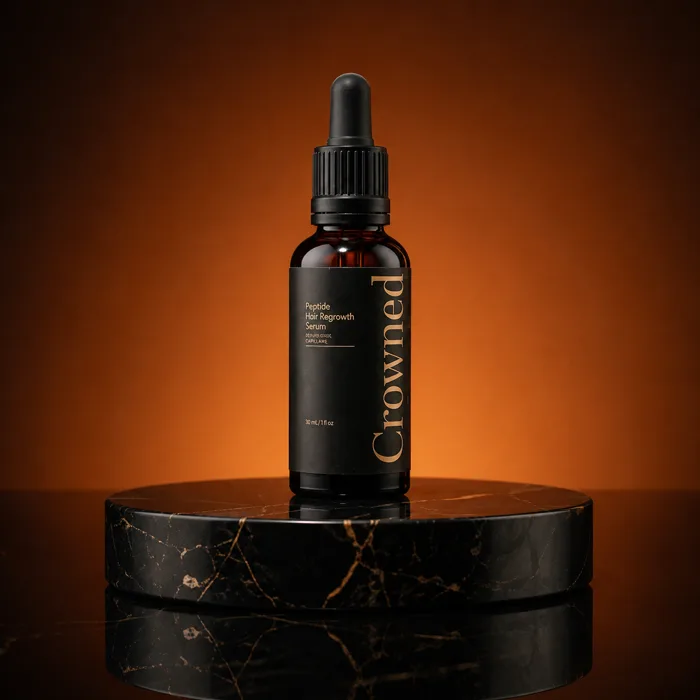
Crowned provides nutritional support with ingredients like biotin and collagen, which may help support hair strength and appearance, complementing a healthy lifestyle for those experiencing hair thinning or loss.
- Buy 3, Get 3 Free — Lowest Price Ever$19.99/bottle
- Buy 2, Get 2 Free — Most Popular$27.49/bottle
- Buy 1, Get 1 Free$44.75/bottle
We may earn a commission at no extra cost to you.
When to See a Doctor
If you're experiencing sudden or patchy hair loss, significant shedding, or if your hair loss is accompanied by itching, redness, pain, or other symptoms, it's always best to consult a healthcare professional. They can rule out underlying medical conditions and recommend the most effective treatment plan for your specific situation. Early intervention can often lead to better outcomes.