 Wellness Review Labs
 By
By 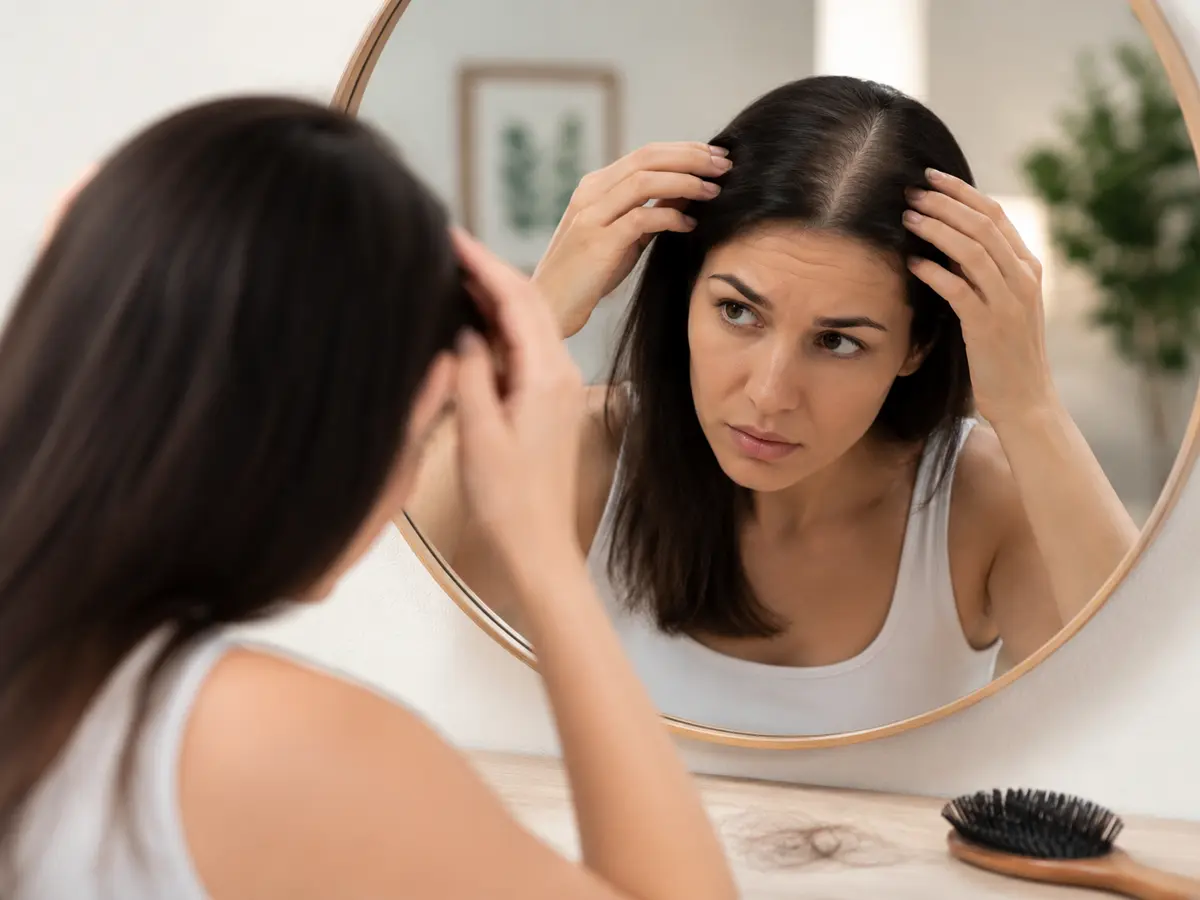
Thinning hair isn't usually about bald spots appearing overnight. Instead, it's a gradual reduction in the number of hair strands on your scalp, or a decrease in the thickness of individual hair strands. This process can make your hair look less dense and full.
The Visual Cues of Thinning Hair
Recognizing thinning hair often involves paying attention to changes over time. Here are some of the most common ways it manifests:
- A Wider Part Line: For many women, one of the first noticeable signs is that their hair part appears wider than it used to be. The scalp might be more visible through the part.
- Receding Hairline: In men, a common sign is a hairline that gradually moves backward from the forehead. This can sometimes create an 'M' shape.
- Overall Reduction in Volume: Your hair might just feel thinner to the touch, or styles that once felt full now feel limp and sparse. Ponytails might be noticeably smaller.
- More Scalp Visibility: When your hair is wet, or under bright light, you might notice your scalp is more visible through your hair, especially at the crown or temples.
- Excessive Shedding: While some daily hair shedding is normal (50-100 hairs a day), finding significantly more hair in your brush, shower drain, or on your clothes can be a sign of increased hair loss leading to thinning.
- Smaller, Finer Hairs: Sometimes, the hair itself doesn't disappear, but new hairs grow back finer and weaker than before, contributing to an overall thinner appearance.
These signs can appear in different areas of the scalp depending on the cause. For instance, thinning at the crown is common in male-pattern baldness, while diffuse thinning (all over the scalp) is often seen in women or due to conditions like stress or nutritional deficiencies.
Understanding Why Hair Thins: Common Factors
Thinning hair isn't just a cosmetic issue; it often has underlying causes. Understanding these can help you address the problem more effectively.
- Genetics (Androgenetic Alopecia): This is the most common cause of hair loss, often referred to as male-pattern or female-pattern baldness. It's inherited and results in a predictable pattern of thinning.
- Hormonal Changes: Fluctuations in hormones, especially during menopause, pregnancy, or due to thyroid issues, can significantly impact hair growth cycles. Hormonal imbalances can lead to hair shedding and thinning.
- Stress: Significant physical or emotional stress can push a large number of hair follicles into a resting phase, leading to noticeable shedding a few months later (telogen effluvium).
- Nutritional Deficiencies: Your hair needs a steady supply of vitamins and minerals to grow strong. Deficiencies in iron, zinc, biotin, or protein can impair hair growth and lead to thinning.
- Medical Conditions: Certain health conditions, like autoimmune diseases (e.g., alopecia areata), scalp infections, or skin conditions, can cause hair loss and thinning.
- Medications: Some medications, including those for cancer, arthritis, depression, heart problems, and high blood pressure, can have hair thinning as a side effect.
- Harsh Hair Treatments: Over-processing with chemicals (perms, dyes), excessive heat styling, or tight hairstyles (braids, ponytails) can damage hair follicles and lead to breakage and thinning over time.

What Can You Do to Support Hair Health?
While some causes of thinning hair, like genetics, are harder to control, there are many proactive steps you can take to support the health and appearance of your hair.
- Gentle Hair Care: Avoid aggressive brushing, tight hairstyles, and excessive heat styling. Use a wide-tooth comb on wet hair and choose sulfate-free shampoos and conditioners.
- Balanced Diet: Ensure your diet is rich in protein, iron, omega-3 fatty acids, and vitamins. Foods like lean meats, fish, eggs, leafy greens, nuts, and seeds are excellent for hair health.
- Stress Management: Practices like meditation, yoga, regular exercise, and ensuring adequate sleep can help reduce stress-induced hair shedding.
- Protect Your Hair: Shield your hair from harsh sun exposure and chlorine with hats or leave-in conditioners.
- Regular Exercise: Improves blood circulation, which can benefit hair follicles by delivering nutrients more efficiently.
- Consider Supplements: If your diet is lacking, or if you're experiencing specific deficiencies, certain supplements might help. Ingredients like biotin, collagen, and silica are often explored for their role in supporting hair strength and growth. It's always best to discuss supplements with a healthcare professional, especially if you have existing health conditions or take other medications.
"Paying attention to what your body is telling you, whether through your hair, skin, or energy levels, is the first step in addressing any health concern."— Wellness Review Labs Editor
Introducing Crowned: A Hair Support Option
For those looking for targeted nutritional support, products like Crowned are designed to promote hair, skin, and nail health. Crowned contains a blend of vitamins, minerals, and botanicals that are often associated with supporting healthy hair growth and strength.
It's important to understand that supplements work best as part of a holistic approach that includes a healthy diet and lifestyle. Crowned is designed to complement these efforts by providing key nutrients that may be beneficial for maintaining hair density and appearance. It's not a cure for genetic hair loss, but it aims to support the body's natural hair growth processes. Results can vary, and it typically takes several months to see noticeable changes as hair growth is a slow cycle.
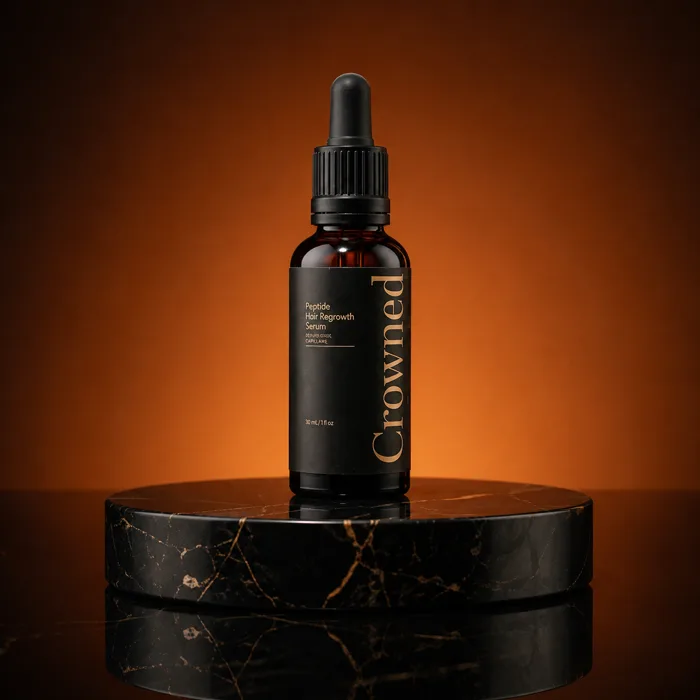
Crowned offers nutritional support with ingredients like biotin and collagen, which may help support the appearance and strength of hair for those experiencing thinning.
- Buy 3, Get 3 Free — Lowest Price Ever$19.99/bottle
- Buy 2, Get 2 Free — Most Popular$27.49/bottle
- Buy 1, Get 1 Free$44.75/bottle
We may earn a commission at no extra cost to you.
The Importance of Patience and Professional Advice
Hair growth is a slow process, and any intervention, whether lifestyle changes or supplements, takes time to show results. Typically, it takes at least three to six months to observe changes in hair density or strength. Consistency is key.
If your hair thinning is sudden, severe, accompanied by other symptoms, or causing you significant distress, it's always best to consult with a healthcare professional or a dermatologist. They can help diagnose the underlying cause and recommend the most appropriate course of action, which might include medical treatments, dietary changes, or other interventions.
Understanding what thinning hair looks like and what might be causing it empowers you to take informed steps towards supporting your hair health. Remember, you're not alone in this experience, and there are many avenues to explore for healthier, fuller-looking hair.