 Wellness Review Labs
 By

The most effective home remedy for mild to moderate BPH is not a secret cure, but a collection of targeted behavioral adjustments. Start by cutting off fluid intake two to three hours before sleeping, limiting caffeine and alcohol after midday, and practicing double voiding—waiting thirty seconds after finishing urination to try again. Together with pelvic floor training and reducing reliance on certain over-the-counter decongestants, these simple steps can noticeably ease urinary hesitation, weak stream, and nighttime waking without prescription intervention.
Understanding What Is Happening to Your Prostate
The prostate sits directly beneath the bladder, wrapping around the urethra like a small collar. In your youth, it is roughly the size of a walnut. Over decades, exposure to normal male hormones—specifically dihydrotestosterone (DHT)—signals prostate cells to multiply. This non-cancerous growth is known as benign prostatic hyperplasia.
As the gland enlarges, it pinches the urethra. At the same time, the muscular wall of the bladder must work harder to push urine through this narrowed opening. Over time, the bladder muscle thickens and becomes unusually sensitive. It begins signaling an urgent need to empty even when it contains only an ounce or two of fluid. This dual problem—physical obstruction combined with bladder muscle irritability—explains why you feel both an inability to empty completely and an urgent, frequent need to go.
Everyday Behavioral Shifts That Offer Immediate Relief
Before trying supplements or medications, making small shifts in how and when you drink liquids can produce significant improvements within forty-eight hours.
- Manage your evening fluid window: Consume the majority of your water, soups, and beverages between morning and late afternoon. Taper your intake sharply two to three hours before going to bed to reduce nocturia (nighttime urination).
- Practice double voiding: When you finish urinating, remain standing or seated for twenty to thirty seconds. Relax your pelvic muscles, lean slightly forward, and try once more. This helps evacuate the residual puddle of urine that often triggers another bathroom trip ten minutes later.
- Moderate bladder irritants: Caffeine and alcohol are mild diuretics that also irritate the bladder lining. Beer, coffee, and dark sodas can provoke sudden bladder spasms that feel like uncontrollable urgency.
- Do not hold it in: Delaying urination stretches the bladder muscle unnecessarily and increases the risk of acute retention. Try to empty your bladder every three to four hours during waking hours.
Exercises and Physical Habits for Prostate Comfort
Physical movement plays a surprisingly direct role in urinary health. Sedentary habits contribute to fluid pooling in the lower legs during the day. When you lie flat at night, that fluid re-enters your bloodstream, filters through the kidneys, and fills your bladder repeatedly while you try to sleep.
A thirty-minute brisk walk each afternoon encourages lymphatic return and circulation. Elevating your legs on an ottoman for twenty minutes in the early evening can also prompt your body to process excess fluid before you head to bed, rather than at two in the morning.
Pelvic floor exercises, often called Kegels, are not just for women. Strengthening the pubococcygeus muscle gives men greater voluntary control over sudden urinary urges and helps support the base of the bladder. To identify the right muscle, briefly stop your urine stream mid-flow. Once you know what that contraction feels like, practice tightening that muscle for five seconds, relaxing for five seconds, and repeating ten times, three times a day. Do not practice this while actually urinating, as doing so routinely can disrupt normal voiding mechanics.
Dietary Adjustments for Long-Term Prostate Health
While no single food acts as an instant remedy, long-term dietary patterns influence systemic inflammation and hormone balance. A Mediterranean-style dietary pattern rich in whole vegetables, lean proteins, and healthy fats is consistently associated with fewer severe lower urinary tract symptoms.
Tomatoes and tomato-based products provide lycopene, an antioxidant that concentrates in prostate tissue. Pumpkin seeds and sesame seeds supply zinc, an essential mineral found in unusually high concentrations in healthy prostate glands. Cruciferous vegetables like broccoli, cauliflower, and Brussels sprouts contain sulforaphane and indole-3-carbinol, compounds studied for their role in normal cellular signaling.
Conversely, diets heavily dominated by red meats, ultra-processed foods, high-sodium snacks, and refined sugars correlate with higher rates of symptomatic prostate enlargement. These foods promote low-grade systemic inflammation and vascular stiffness, both of which can aggravate urinary discomfort.
I spent two years getting up four times every night. Simply cutting out my after-dinner tea, walking in the late afternoon, and doing pelvic exercises cut that down to one trip most nights. It is not dramatic, but it gave me my sleep back.— Editorial interview participant, 62, Ohio
Targeted Botanical Support: Where UroFlow Fits
For men who have dialed in their evening habits and still want added nutritional support, certain plant-based compounds have a long history of clinical use for urinary comfort. Plant sterols, particularly beta-sitosterol, along with standardized extracts of saw palmetto berry and pygeum bark, are frequently studied for their ability to support smooth muscle tone and healthy urinary flow.
In this category, we review UroFlow. Formulated specifically for prostate and urinary comfort, UroFlow combines standardized botanical extracts and key micronutrients designed to support normal nighttime urinary frequency and steady daytime flow. It is manufactured in the United States and starts at $29.99 per bottle, backed by a 90-day money-back guarantee.
It is equally important to be clear about what supplements can and cannot do. UroFlow does not cure BPH, reverse tissue growth, or replace prescribed prescription alpha-blockers. Botanical extracts take time—often six to twelve weeks of consistent daily use—to provide noticeable support, and individual responses vary. For men experiencing mild urinary sluggishness who prefer a non-prescription approach alongside lifestyle changes, it represents a sensible, well-formulated option.
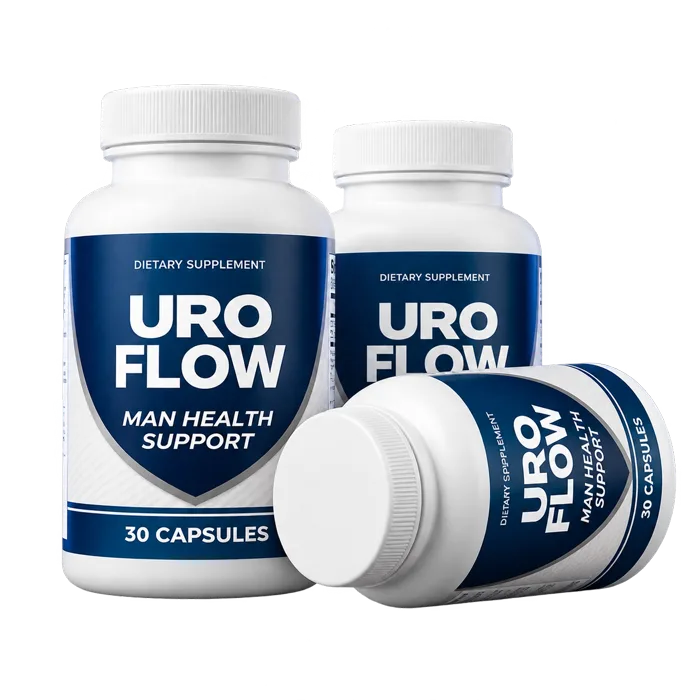
UroFlow provides targeted botanical and micronutrient support for men looking for an accessible, non-prescription option to complement basic lifestyle changes for urinary comfort.
- Buy 3, Get 3 Free — Lowest Price Ever$29.99/bottle
- Buy 2, Get 2 Free — Most Popular$39.99/bottle
- Buy 1, Get 1 Free$59.99/bottle
We may earn a commission at no extra cost to you.
When to See a Physician
Home management is appropriate only for mild, gradual symptoms that have already been evaluated by a physician. BPH shares symptoms with other serious conditions, including prostate cancer, urinary tract infections, and bladder stones. Regular screening with your doctor is essential.
Seek prompt medical attention if you notice visible blood in your urine, experience burning or pain while voiding, develop fever or chills alongside urinary trouble, or suddenly find yourself completely unable to pass urine. Acute urinary retention is a medical emergency that requires immediate clinical care.