 Wellness Review Labs
 By
By 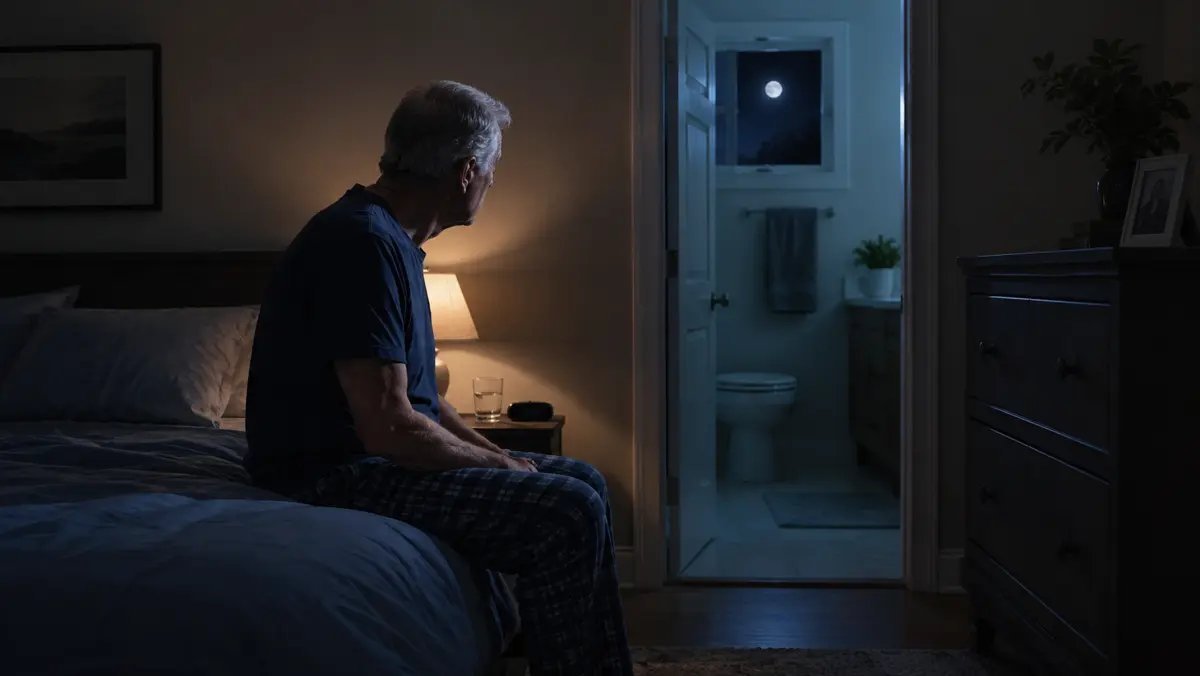
When do BPH symptoms start? For the vast majority of men, noticeable symptoms of benign prostatic hyperplasia (BPH) start in their late 40s or early 50s. However, cellular changes inside the prostate gland actually begin much earlier—often during a man's 30s or early 40s. Because the prostate surrounds the urethra, early growth goes unnoticed until the gland expands enough to compress the urinary tube.
By age 60, approximately half of all men experience lower urinary tract symptoms associated with BPH. By age 80, that number rises to nearly 90 percent. Understanding this timeline helps demystify what is happening inside your body and gives you the context needed to take control of your daily routine.
The Timeline: From Microscopic Growth to Daily Symptoms
Prostate expansion happens in two distinct phases over a man's lifetime. The first phase occurs during puberty, when the prostate doubles in size. The second phase begins around age 25 to 30 and continues gradually throughout the rest of a man's life.
Here is how the typical timeline unfolds for most men:
- Ages 30 to 40: Microscopic changes begin in the inner transitional zone of the prostate. Almost no men feel physical symptoms at this stage.
- Ages 40 to 49: The prostate expands slightly. A small percentage of men start noticing occasional night-time waking or a slight drop in stream force.
- Ages 50 to 59: Symptoms become clearly noticeable for about 50% of men. Typical complaints include a delayed start to urination, weaker flow, and waking up once or twice per night.
- Ages 60 and beyond: The majority of men experience persistent urinary changes that warrant active lifestyle adjustments or dietary support.
Recognizing the Earliest Signs of BPH
Because BPH develops slowly, early warning signs are easy to brush off as normal aging. Being aware of the earliest indicators lets you respond early, before sleep disruption becomes a chronic issue.
Common early symptoms to watch for include:
- Hesitancy: Standing at the toilet for several seconds before the urinary stream actually starts.
- Weak or Intermittent Stream: A flow that feels noticeably weaker than it did in your 30s or starts and stops repeatedly.
- Nocturia: Needing to wake up two or more times during the night to empty your bladder.
- Post-Void Dribbling: Small leaks or dribbles immediately after you think you have finished urinating.
- Incomplete Emptying: A persistent sensation that your bladder still holds urine right after you finish.

Why Does the Prostate Grow as We Age?
The exact cause of prostate enlargement remains an area of ongoing study, but researchers agree that shifting hormone levels play a primary role. As men age, total testosterone levels gradually decline, while levels of dihydrotestosterone (DHT)—a potent metabolite of testosterone—remain high in the prostate tissue.
DHT encourages prostate cells to continue dividing. Over decades, this gradual multiplication of cells increases the overall volume of the tissue surrounding the urethra. As the channel narrows, the bladder muscle must work harder to push urine through, eventually leading to bladder wall thickening and hyper-sensitivity.
Free Lifestyle Habits That Support Urinary Comfort
If your symptoms are mild to moderate, everyday behavioral adjustments can offer meaningful relief without any cost or side effects. Medical experts recommend starting with these baseline strategies:
- Schedule Your Fluids: Stop drinking fluids 2 to 3 hours before bed. Focus your fluid intake during the morning and early afternoon hours.
- Limit Bladder Irritants: Reduce caffeine, alcohol, artificial sweeteners, and highly spicy foods. These compounds can irritate the bladder lining and trigger sudden urges.
- Practice Double Voiding: After finishing urinating, wait 20 to 30 seconds, relax, and try again. This helps empty residual urine from the bladder.
- Review Over-the-Counter Medications: Decongestants (like pseudoephedrine) and antihistamines can tighten the prostate capsule and worsen urinary retention.
- Stay Active: Regular light physical activity, like daily brisk walking, helps improve pelvic blood flow and supports healthy urinary tone.
Targeted Nutritional Support: Where Formulas Fit In
Alongside daily lifestyle changes, many men turn to specific plant compounds and micronutrients designed to support smooth muscle relaxation, healthy urinary flow, and ongoing prostate comfort.
Key nutrients with established research support include:
- Beta-Sitosterol: A plant sterol that helps support healthy urinary flow rate and reduces residual bladder volume.
- Saw Palmetto Extract: Derived from berries, this traditional botanical helps support healthy hormone metabolism in prostate tissue.
- Pygeum Africanum: Bark extract from the African plum tree, widely used in Europe to support urinary ease and sleep quality.
- Zinc & Selenium: Essential trace minerals that maintain tissue integrity and cellular health within the prostate gland.
Introducing UroFlow: Daily Support for Urinary Comfort
For men seeking a structured, convenient way to supply these key nutrients daily, UroFlow offers a targeted oral supplement formula tailored specifically for mature men.
UroFlow is designed to help support regular urinary flow, maintain normal night-time frequency, and promote overall bladder comfort. Formulated with clinical-range plant sterols, standardized botanicals, and key prostate minerals, it works alongside your daily healthy habits.
What UroFlow Does: It provides daily nutritional backing to help support bladder emptying, promote healthy prostate hormone metabolism, and encourage restful, uninterrupted sleep.
What UroFlow Does Not Do: UroFlow is a dietary supplement, not a prescription medicine. It does not shrink existing anatomical tissue overnight, cure BPH, or replace medical evaluation by a licensed urologist.
Available from $29.99 per bottle, UroFlow comes backed by a risk-free 90-day money-back guarantee, allowing you to try it consistently and evaluate how your urinary comfort responds over three full months.

Explains the timeline of early BPH onset and positions UroFlow as a simple daily nutrient option to support urinary flow and night-time sleep alongside healthy habits.
- Buy 3, Get 3 Free — Lowest Price Ever$29.99/bottle
- Buy 2, Get 2 Free — Most Popular$39.99/bottle
- Buy 1, Get 1 Free$59.99/bottle
We may earn a commission at no extra cost to you.
When Behavioral Steps Aren't Enough: Medical Treatments
If lifestyle modifications and nutritional supplements do not provide sufficient comfort, a doctor can discuss pharmaceutical or procedural options. Common medical approaches include:
- Alpha-Blockers: Prescription medications that relax the smooth muscle tissues at the bladder neck and prostate capsule for easier flow.
- 5-Alpha Reductase Inhibitors (5-ARIs): Medications that block DHT production to help shrink prostate tissue over several months.
- Minimally Invasive Procedures: In-office therapies using steam, water jets, or tiny implants to widen the urethral channel.