 Wellness Review Labs
 By

When men first notice a weak urine stream or nighttime bathroom trips, it is easy to assume the prostate has reached a certain size and will just stay there. Unfortunately, that is rarely how benign prostatic hyperplasia behaves. For many men between 45 and 75, symptoms do not just linger—they gradually worsen. Understanding why this happens can help you take control before minor frustrations turn into major disruptions in your daily routine.
The frustration often creeps in slowly. You might brush off getting up once a night as normal aging, until one trip becomes two, and two become three. By the time daytime urgency interferes with long drives, meetings, or social gatherings, the psychological weight of managing an unpredictable bladder becomes just as burdensome as the physical symptoms. Acknowledging this progression is the first step toward finding a realistic, manageable path forward.
The Natural Progression of Prostate Growth
The primary reason BPH symptoms worsen over time is biological. As men age, the cells in the prostate continue to divide and multiply. This non-cancerous growth gradually squeezes the urethra, the tube that carries urine from the bladder. As the passage narrows, your bladder has to work harder to push urine out. Over years of working overtime, the bladder muscle itself can become thicker, more irritable, and less efficient at emptying completely.
This structural squeezing creates a compounding effect. A thickened bladder wall loses some of its natural elasticity. Instead of expanding smoothly to hold urine and contracting efficiently to empty, an overworked bladder starts sending urgent distress signals to your brain much earlier than it should. This is why you might feel an intense, sudden need to urinate even when your bladder holds only a small amount of fluid.
Common Triggers That Make Symptoms Flare Up Suddenly
While slow growth explains the long-term trend, a sudden worsening of your symptoms over a few days or weeks is often driven by environmental or lifestyle triggers. Recognizing these hidden culprits can help you sidestep unexpected discomfort and regain a measure of predictability in your day.
- Cold Weather: Colder temperatures cause muscles throughout the body—including the prostate and bladder neck—to tense up, restricting urine flow and increasing hesitancy.
- Medications: Common over-the-counter cold and allergy medicines containing antihistamines or decongestants can tighten bladder muscles and make urination difficult.
- Caffeine and Alcohol: Both substances irritate the bladder lining and stimulate urine production, leading to more frequent and urgent bathroom trips throughout the day and night.
- Lack of Movement: Sitting for prolonged periods can increase pelvic pressure and worsen urinary hesitancy, making movement essential for pelvic health.
Being mindful of these triggers means you can anticipate how certain situations might affect your bladder. For instance, if you are planning a winter evening out, keeping warm and moderating your intake of alcoholic beverages can prevent an uncomfortable night of frequent disruptions.
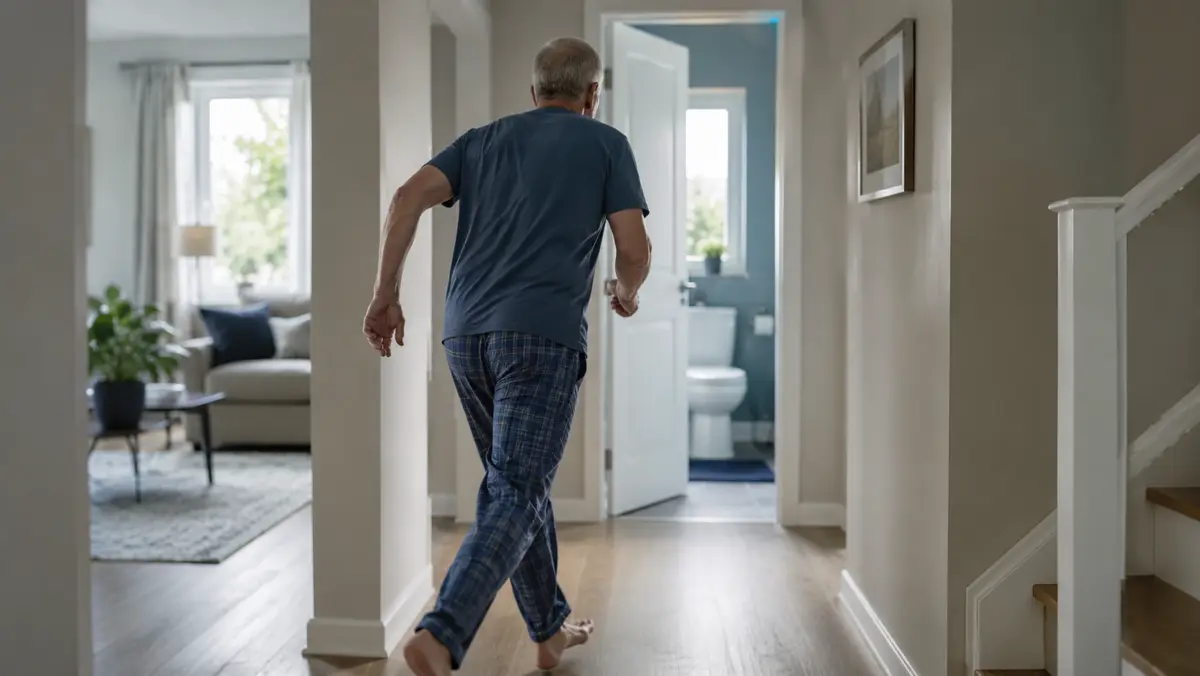
Practical Ways to Support Better Urinary Flow
You do not have to simply wait for things to deteriorate. Several everyday adjustments can help ease the strain on your lower urinary tract and restore a sense of control to your daily life without requiring drastic measures.
- Timed Voiding: Try going to the bathroom on a regular schedule (every 2 to 3 hours) rather than waiting for an urgent signal, training your bladder to empty on a predictable rhythm.
- Double Voiding: After you finish urinating, wait a moment, relax, and try to empty your bladder a second time to ensure it is fully clear and reduce post-void dribbling.
- Fluid Management: Limit beverages for two to three hours before bedtime to reduce nighttime awakenings, while staying adequately hydrated during the day.
- Targeted Nutrition: Incorporating specific nutrients and plant sterols known to support prostate health can complement your daily routine and promote overall urinary tract comfort.
Where Targeted Supplements Fit In
Many men dealing with worsening BPH symptoms look beyond lifestyle adjustments for extra support as they age. This is where daily dietary supplements come into play. Products formulated for prostate and urinary comfort generally aim to support normal bladder function and maintain healthy inflammatory pathways around the prostate gland using ingredients like beta-sitosterol, saw palmetto, and zinc.
At Wellness Review Labs, we evaluate options like UroFlow, a prostate and urinary comfort support capsule priced from $29.99 a bottle with a 90-day money-back guarantee. UroFlow is designed to promote normal urinary flow and reduce nighttime urgency for men experiencing age-related prostate changes. It is important to be clear: UroFlow does not shrink an enlarged prostate, cure BPH, or replace prescription medications prescribed by a urologist. Instead, it serves as a supportive daily option for men looking to maintain urinary comfort as part of a broader health routine.
Finding a reliable daily routine that combines smart fluid habits with targeted nutritional support can make a noticeable difference in how confident you feel leaving the house.— Independent Health Reviewer, Wellness Review Labs

UroFlow provides daily nutritional support for men noticing worsening urinary urgency and weaker flow, serving as a non-prescription option to help maintain comfort.
- Buy 3, Get 3 Free — Lowest Price Ever$29.99/bottle
- Buy 2, Get 2 Free — Most Popular$39.99/bottle
- Buy 1, Get 1 Free$59.99/bottle
We may earn a commission at no extra cost to you.